65,000 Evacuated, 700 Structures Gone: How Spokane’s Fast-Moving Wildfires Became A Historic Disaster
A wildfire emergency unlike anything many Spokane residents have experienced has transformed neighborhoods into evacuation zones, leaving thousands of families searching for answers after flames destroyed hundreds of structures across Washington. The Spokane Complex Fire forced approximately 65,000 people from their homes as three separate blazes spread through the region, fueled by dry conditions, powerful winds and dangerous fire weather.
The destruction has become more than a battle against flames. It has become a test of emergency response, community resilience and the growing challenge of protecting neighborhoods located near wildfire-prone areas. With more than 700 structures destroyed, power outages affecting thousands and firefighters from multiple states joining the fight, Spokane now faces both an immediate crisis and a long recovery ahead.
Spokane Complex Fire Emerges As One Of Washington’s Most Destructive Wildfire Events
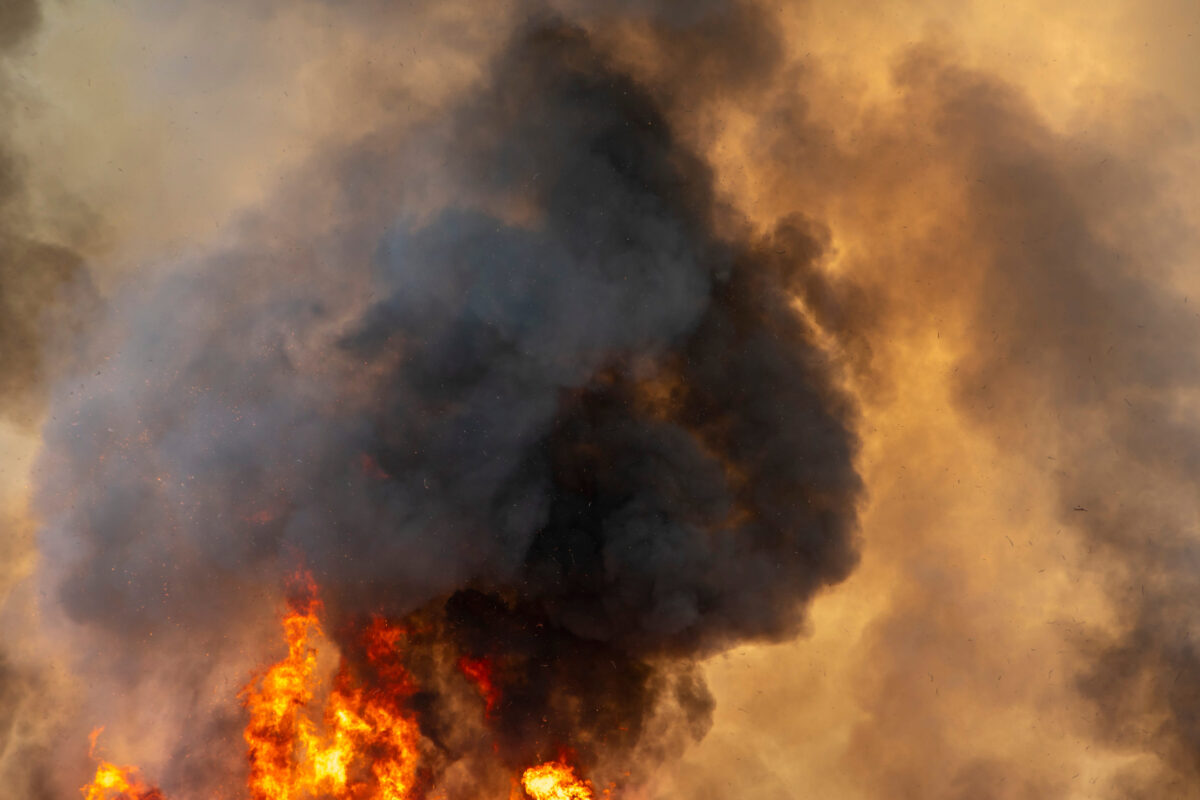
The Spokane Complex Fire consists of three major fires: the Old Trails Fire, the Fairview Fire and the Autumn Lane Fire. Together, the fires burned more than 8,000 acres while remaining at zero percent containment during the early stages of the response. Federal incident management teams were brought in as officials worked to coordinate one of the largest wildfire responses in the region.
The scale of the disaster prompted Spokane Mayor Lisa Brown to describe the fires as the worst natural disaster the area has faced. Although no injuries had been reported, officials continued searching for missing residents and assessing damage as entire sections of communities were affected. The destruction has left many families facing uncertainty over whether their homes survived.
A 65,000-Person Evacuation Turned Everyday Life Upside Down.
The evacuation order affecting roughly 65,000 Spokane residents became one of the largest emergency movements the area has seen. Families left behind homes, pets, vehicles and personal belongings as flames moved closer to residential areas. Many residents had little time to prepare before leaving, creating fear and confusion throughout affected neighborhoods.
The evacuation also created challenges for emergency officials trying to account for everyone. Spokane County Sheriff’s Office spokesman Cpl. Mark Gregory said authorities cleared more than 200 missing person reports while continuing to investigate remaining cases. Large-scale evacuations often create communication problems because families can become separated and phone networks can become overwhelmed.
Hundreds Of Homes And Buildings Destroyed As Officials Assess Damage
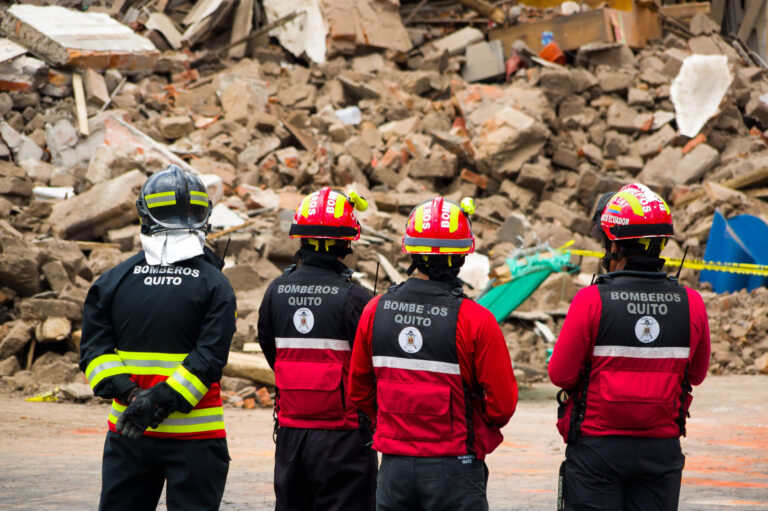
The full extent of the destruction remains under review, but officials confirmed that more than 700 structures were lost during the wildfire outbreak. Spokane County Fire District 3 Fire Chief Cody Rohrbach said the Old Trails Fire alone destroyed approximately 640 structures, making it one of the most damaging parts of the complex.
Officials have not yet determined how many destroyed structures were homes, businesses, or schools. The damage assessment process will require crews to inspect affected areas once conditions are safe, meaning the final numbers could change as firefighters and emergency officials continue their work.
Why Some Spokane Neighborhoods Burned While Others Survived
One of the most striking features of the disaster was how uneven the destruction appeared. Some homes were completely destroyed while nearby properties remained standing, showing how wildfire behavior can change dramatically depending on wind direction, vegetation and the layout of neighborhoods.
Residents described seeing familiar streets transformed within hours, with burned vehicles, damaged properties and areas reduced to ash. Experts often point to factors such as defensible space around homes, building materials and the path of wind-driven flames as reasons why one structure may survive while another nearby is lost.
Extreme Weather Conditions Created The Perfect Environment For Rapid Fire Growth
Officials linked the rapid spread of the fires to a combination of dry conditions, strong winds and elevated wildfire danger. The National Weather Service warned of dangerous fire conditions, including north-northwest winds reaching up to 35 mph, which helped flames move quickly across dry landscapes.
Wind-driven fires are especially difficult to control because they can push burning embers far ahead of the main fire line. These flying embers can ignite new areas quickly, creating multiple fire fronts and making evacuation decisions more urgent for communities in the path of the flames.
Fire Crews From Across The Country Join Spokane’s Battle Against The Flames
The size of the emergency required support beyond local firefighting resources. Federal Interagency Incident Management Teams took command of operations, bringing together personnel from federal, state, tribal and local agencies to coordinate the response.
The California Department of Forestry and Fire Protection, known as Cal Fire, coordinated two national crews assigned to the wildfire response. The deployment marked the first time a Cal Fire Incident Management Team had been activated to assist Washington, highlighting how wildfire emergencies increasingly require cooperation across state lines.
Exhausted First Responders Work Around The Clock To Protect Communities
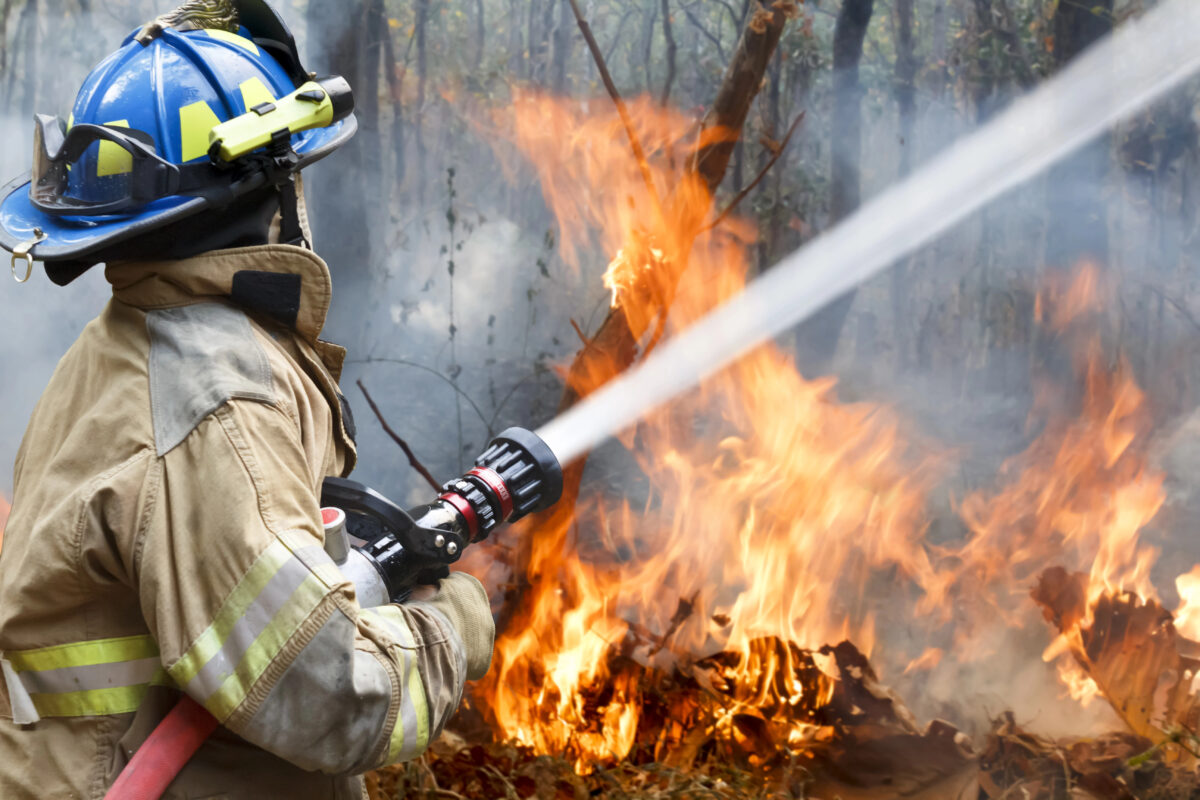
Firefighters and emergency workers have faced intense conditions while trying to slow the fires and protect residents. Spokane Mayor Lisa Brown said some first responders worked shifts lasting as long as 30 hours, reflecting the enormous pressure placed on crews during the emergency.
The response has required more than fighting flames. Firefighters, law enforcement officers, utility workers and emergency managers have worked together to evacuate residents, restore essential services and support communities dealing with sudden destruction. Their efforts have become a critical part of keeping the disaster from becoming even worse.
Power Outages Add Another Challenge For Thousands Of Washington Residents
The wildfire emergency caused widespread disruption to essential services, with nearly 12,000 utility customers losing power, most of them in the Spokane area. Damaged infrastructure and safety concerns created additional obstacles for utility crews attempting to restore electricity.
For evacuated residents, losing power added another layer of uncertainty during an already overwhelming situation. Restoring utilities will be a major part of the recovery process because many families cannot safely return until basic services are operating again.
Spokane Residents Return To See Neighborhoods Changed Forever
For many residents, the emotional impact of the wildfire became clear when they returned to their communities. Some found homes damaged beyond repair, while others discovered streets that looked completely different from the neighborhoods they had known for decades.
One Spokane resident, Angela, told NBC affiliate KHQ that her family survived but lost the home where they had lived for more than 20 years. She said childhood memories and personal items belonging to her children were destroyed, showing the human cost behind the official damage numbers.
Washington’s Extraordinary Fire Season Raises New Concerns Across The Region
The Spokane disaster comes during what state officials described as an extraordinary wildfire season across Washington. Public Lands Commissioner Dave Upthegrove said multiple fires were burning across the state, consuming hundreds of thousands of acres and placing additional pressure on firefighting resources.
The growing challenge is forcing communities across the West to rethink wildfire preparation. Emergency planning, evacuation routes, vegetation management and coordinated response systems have become increasingly important as communities face more frequent and destructive wildfire events.
The Long Road To Recovery Begins After Spokane’s Historic Wildfires
Even after firefighters contain the flames, Spokane will face months and possibly years of recovery. Officials have requested federal assistance to help with immediate emergency needs and future rebuilding efforts. Recovery will involve replacing homes, repairing infrastructure, and supporting families who lost everything.
The Spokane wildfires represent more than a single disaster. They show how quickly extreme fire conditions can transform ordinary communities into emergency zones. As residents begin rebuilding their lives, the region will carry the lessons of this disaster into future wildfire preparation efforts.
Spokane’s Wildfires Are A Warning For Communities Across The West
The destruction left behind by the Spokane Complex Fire highlights the growing challenge of protecting communities located near wildfire areas. A disaster that unfolded over only a short period forced tens of thousands of people to evacuate and changed the landscape of entire neighborhoods.
For Spokane residents, the recovery will be measured not only in rebuilt homes and restored services but also in the strength of a community forced to face an unimaginable crisis. The flames may eventually disappear, but the impact of this wildfire will remain for years.