The Paycheck Gap Is Brutal…7 Countries Where People Keep the Most Disposable Income
A big salary sounds impressive until taxes, deductions, rent, food, transport, healthcare, and bills start eating into it. That is why disposable income matters so much. It gives a clearer look at how much money people may actually have left to spend, save, invest, or simply breathe a little easier after major deductions.
Across the world, the gap is huge. Some countries give workers stronger earning power, better wages, and more room after payday. Others may offer good public services or lower living costs, but the final paycheck still does not stretch as far. The latest disposable income ranking shows something many people already feel: where you live can shape how wealthy you feel more than your job title alone.
What Disposable Income Really Means
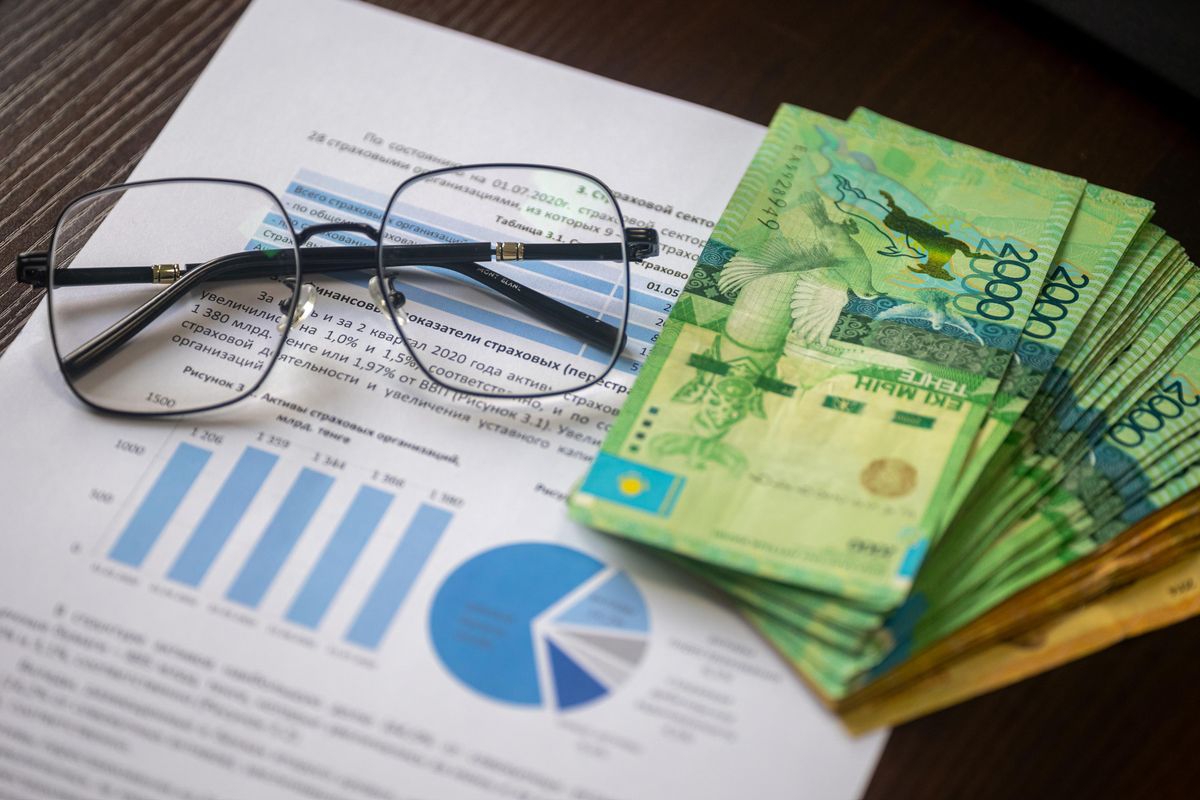
Disposable income is not the same as being rich. It simply measures the money available after key deductions, usually including taxes and social security contributions. In simple terms, it is the money households can spend or save.
That makes it different from gross salary. A worker may earn a high wage in one country but lose a large share through taxes and mandatory contributions. Another worker may earn less on paper but enjoy cheaper housing, healthcare, or transport.
This is why international comparisons often use purchasing power parity, or PPP. That method adjusts the numbers so countries can be compared more fairly. A dollar does not buy the same amount in New York, Zurich, Berlin, or Lisbon, so the adjustment matters.
The United States Still Sits Far Ahead
The United States ranks first with about $62,722 in gross disposable income per capita. That is a massive figure compared with many other advanced economies. It reflects America’s high wages, large consumer economy, strong private-sector earnings, and deep investment culture.
But there is a catch. Americans often face higher out-of-pocket costs for healthcare, childcare, higher education, insurance, and housing in major cities. So while the U.S. ranks high on disposable income, many households still feel squeezed.
That tension is what makes the number so interesting. On paper, the U.S. looks like the strongest place for leftover income. In real life, the experience depends heavily on state, city, family size, debt, rent, and medical costs.
Luxembourg Proves Small Countries Can Punch Above Their Weight

Luxembourg ranks second with about $47,336 in gross disposable income per capita. For a small country, that is a powerful position. Its economy benefits from finance, cross-border workers, high wages, and a strong role in European business.
The country also has a reputation for stability and high living standards. Many workers earn high incomes, and the economy is closely tied to banking, investment, and international institutions.
Still, Luxembourg is not cheap. Housing can be expensive, and daily costs are high. But even with those pressures, its disposable income level keeps it near the top of the global conversation.
Switzerland Remains a High-Income Heavyweight
Switzerland follows closely with about $47,124. That should not surprise anyone who knows the Swiss economy. The country has strong banking, pharmaceutical, manufacturing, technology, and professional services sectors.
Swiss wages are among the highest in the world. Workers also benefit from a stable currency, strong institutions, and a highly skilled labor market. Those strengths keep the country near the top of almost every income and quality-of-life ranking.
But Switzerland also reminds us that high disposable income does not mean cheap living. Groceries, rent, restaurants, healthcare insurance, and transportation can be very expensive. The money is high because the cost base is high too.
Germany and Australia Round Out the Top Five
Germany ranks fourth with about $42,417 in gross disposable income per capita. Its position reflects a powerful industrial economy, strong exports, skilled labor, and a broad middle class. Germany may not always have the flashiest salary numbers, but its economic base is deep and steady.
Australia comes fifth with about $41,194. Strong wages, natural resources, a developed services sector, and high urban employment all help push it upward. Major cities such as Sydney, Melbourne, and Brisbane also attract skilled workers from around the world.
However, both countries face familiar pressures. Germany has dealt with energy costs and slower growth, while Australia continues to wrestle with housing affordability. In both places, disposable income appears strong, but families still monitor daily costs closely.
Europe Dominates Much of the Upper Ranking
Austria, Belgium, the Netherlands, the United Kingdom, France, Italy, Finland, Ireland, Sweden, Spain, Denmark, and Slovenia all appear in the broader upper group. This shows how deeply Europe shapes the conversation about disposable income.
These countries often combine decent wages with public services, social protections, and tax systems that support households in different ways. The tradeoff is that taxes can be higher, but residents may receive more support in healthcare, education, pensions, or family benefits.
That is why the ranking should not be read only as a “who has more cash” contest. In some countries, people may keep less direct income but pay less privately for essential services. In others, people keep more income but must cover more costs on their own.
Canada, the U.K., and France Show the Middle-Class Reality

Canada appears with about $35,561, while the United Kingdom sits near $36,077 and France around $35,001. These are not weak numbers, but they also show how expensive life has become in major economies.
In Canada, housing costs have become a serious burden in cities such as Toronto and Vancouver. In the U.K., wages and living costs remain a major political issue. In France, taxes and social contributions are higher, but public services also play a bigger role in household life.
These countries prove that disposable income is only one piece of the story. A household’s real comfort depends on rent, mortgage payments, food prices, transport, childcare, debt, and local job opportunities.
Why the Ranking Matters More Than Ever
Disposable income has become one of the most important economic measures because people are tired of hearing only about GDP. A country can grow on paper while families still feel stuck. Stock markets can rise while renters struggle. Inflation can slow while prices remain painfully high.
That is why this ranking gets attention. It speaks directly to people’s lives. It asks a simple question: after the system takes its share, how much money is still yours?
The answer can shape migration, career decisions, retirement plans, investment habits, and even family choices. People do not just chase beautiful cities or famous countries. They chase places where their work gives them room to live.
The Real Lesson Behind the Numbers
The countries with the highest disposable income are usually those with strong wages, productive economies, stable institutions, skilled workers, and competitive industries. But the best country on paper is not always the easiest place to live.
A high-income country can still feel stressed if rent is too high. A lower-ranked country can feel comfortable if housing, healthcare, and transport are affordable. That is why readers should treat this ranking as a starting point, not the full story.
Still, the message is clear. In today’s economy, people are not only asking how much they can earn. They are asking how much they can keep. And that question may be the most honest measure of financial comfort anywhere in the world.