Florida’s Port St. Lucie ZIP Code Is America’s Migration Hotspot, and It Reveals a Bigger Shift in Where Americans Want to Live Now.
Americans are no longer simply moving. They are selecting places with greater precision than ever before, choosing ZIP codes by value, momentum, lifestyle payoff, and long-term potential. That shift is what this story is really about.
That makes Port St. Lucie, Florida, and specifically ZIP code 34987, a striking signal in the national housing map. Travel + Leisure reported that this ZIP code ranked as the hottest in the United States, based on MovingPlace migration data from December 2025, recording 16.2 moves per 1,000 residents. It marked not a one-off spike but a sustained trend, with Port St. Lucie appearing repeatedly among the most-moved-into ZIP codes in the country.
By mid 2026, the momentum had not slowed. A follow-up MovingPlace analysis based on May 2026 move data showed Port St. Lucie’s 34987 ZIP code again at the top of national rankings, tied with Aurora, Colorado, with roughly 12.1 moves per capita. That consistency matters. It suggests structural demand, not hype.
A Florida ZIP Code That Became a Migration Magnet
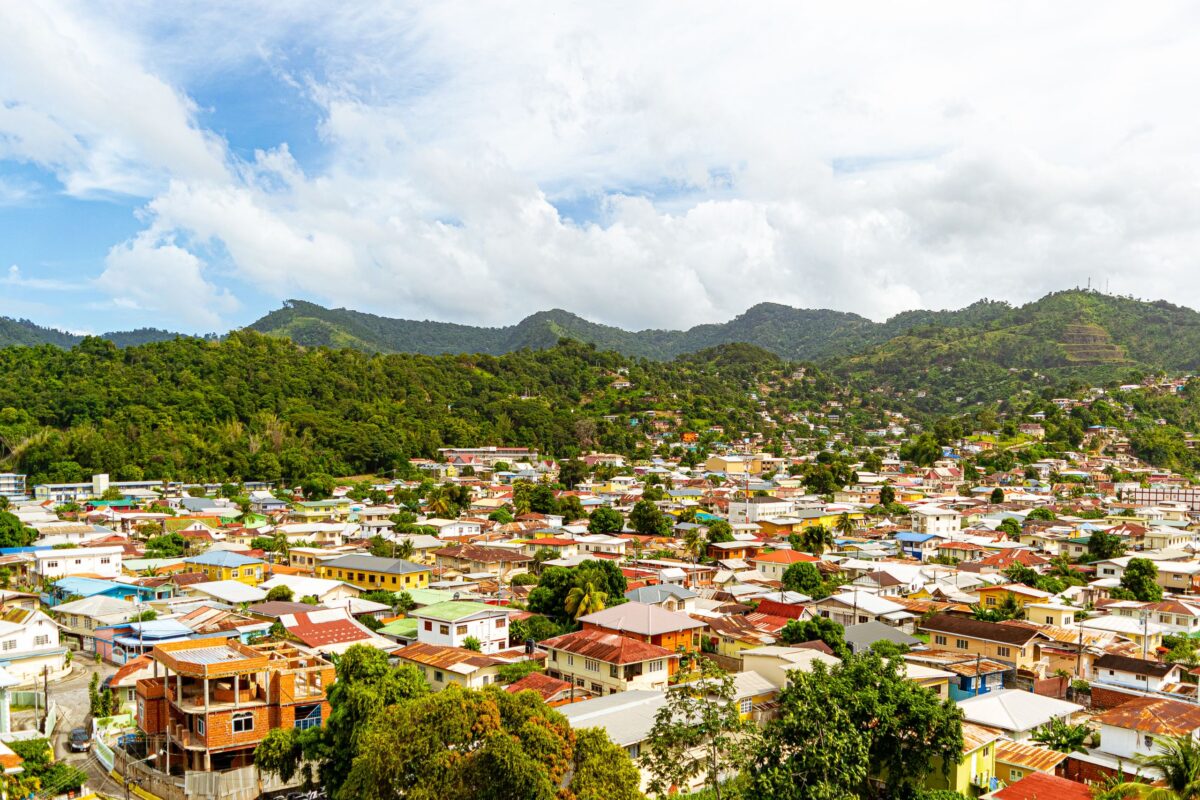
Port St. Lucie is not Miami. It is not Orlando. It is not a global brand city. Yet that is exactly the point. The 34987 ZIP code is in the Tradition area, one of the fastest-growing master-planned communities in Florida. Instead of dense high rises or legacy neighborhoods, it is defined by newer housing stock, wide road networks, retail corridors built alongside residential expansion, and a layout designed for car-based suburban living.
This design matters more in 2026 than it did a decade ago. After years of inflation, rising mortgage rates, and insurance shocks across coastal Florida, many households have recalibrated what “livable Florida” means. They are not just chasing waterfront views; they are chasing stability.
Port St. Lucie offers a different equation: newer construction, relatively more space, and a cost structure that, while rising, still compares favorably to Miami, West Palm Beach, and other high-pressure South Florida metros. That combination helps explain why demand keeps building.
And the scale of growth reinforces the pressure behind the rankings. According to the U.S. Census Bureau, Port St. Lucie’s population reached 268,062 in 2025, reflecting a growth surge of more than 30 percent since 2020. That kind of expansion is not incremental. It reshapes schools, traffic patterns, housing supply, and local economies in real time.
Why People Are Moving Here: The New American Formula
The migration into ZIP code 34987 follows the same broader pattern that has been reshaping American housing since the pandemic changed work, housing, and mobility.
First, remote and hybrid work unlocked geography. For millions of workers, proximity to an office stopped being the defining constraint. That shifted housing decisions away from commute radius thinking toward lifestyle optimization. Warm weather markets like Florida, Texas, Arizona, and parts of the Carolinas became structurally more attractive.
Second, affordability pressure reshaped expectations. Even when incomes rose, housing costs rose faster in many major metro areas. That pushed households outward into “second-tier” cities and fast-growing suburbs where new construction could still absorb demand.
Realtor.com’s 2025 housing analysis reinforced this pattern, noting that the hottest ZIP codes were consistently those offering a mix of relative affordability, strong buyer demand, and faster turnover than the national average. In other words, these are not quiet markets. They are high-velocity ones.
Port St. Lucie fits that pattern cleanly. It sits close enough to major South Florida economic hubs to remain connected, but far enough to avoid the most extreme price compression and density challenges.
The Tradition Effect: Why 34987 Keeps Appearing at the Top
Within Port St. Lucie, the Tradition community has become a focal point of growth. It is a planned development that blends residential neighborhoods with retail districts, medical facilities, parks, and expanding infrastructure.
That matters because modern migration is not just about homes. It is about systems. People are not only asking, “Can I afford the house?” They are asking:
Can I get healthcare nearby
Can I access schools that are not overcrowded
Can I shop, work, and commute without chaos
Can I live in a place that still feels like it is being built for the future, not stuck in the past
Tradition’s answer to those questions is what pulls consistent inflows of residents. New construction also plays a role. In high-demand states like Florida, resale housing alone cannot absorb the pressure of migration. New developments become essential release valves for demand.
Florida’s Broader Migration Pull
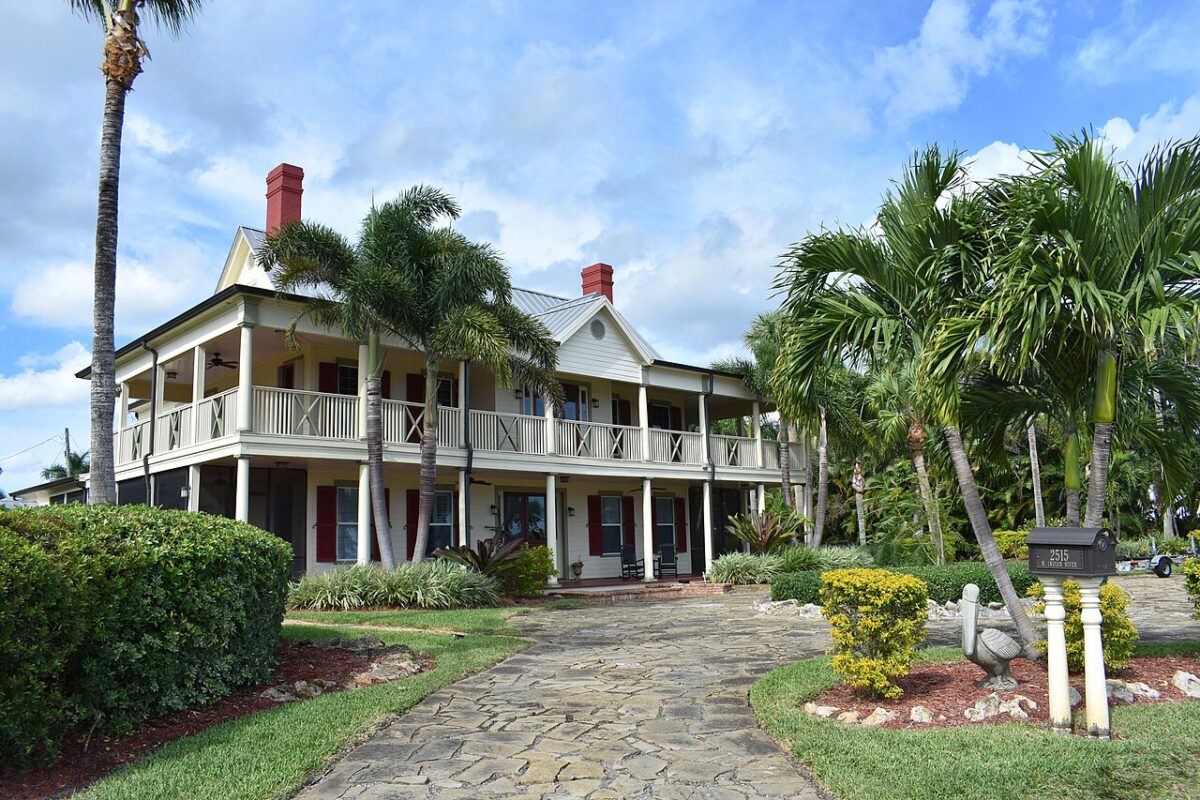
Port St. Lucie’s rise is also part of a larger statewide trend. Florida has been one of the strongest net migration states in the country for years, consistently attracting residents from high-cost coastal states such as New York, New Jersey, California, and Illinois.
The drivers are layered:
No state income tax
Warm climate and year-round outdoor living
Strong retiree appeal
Remote work flexibility
And in many cases, lower housing costs relative to major metros
But there is another side to the Florida story that makes Port St. Lucie especially interesting. Florida is no longer just a retirement destination. It is increasingly a working-age destination.
Families, remote professionals, and first-time buyers are reshaping cities that were once dominated by retirees. That demographic shift changes everything from school enrollment to infrastructure demand to local job creation.
The Hidden Pressure Behind “Hot ZIP Codes”
High migration ZIP codes are not only success stories. They are also pressure zones. When a ZIP code like 34987 consistently ranks at the top of national migration lists, it creates ripple effects:
Housing supply tightens quickly
New construction accelerates
Traffic patterns change faster than infrastructure upgrades
Local services face scaling challenges
And affordability can begin to erode over time
This is the paradox of popularity. The same forces that make a place desirable also risk changing what made it desirable in the first place.
Port St. Lucie is now navigating that exact balance. Growth brings investment, new schools, retail expansion, and infrastructure upgrades. But it also brings congestion pressures and rising home prices, especially in the most in-demand submarkets.
A National Story Written Through ZIP Codes
What makes this story compelling is not just Port St. Lucie itself. It is what it represents. Across the country, ZIP code rankings have become a new way to measure American movement. Instead of talking only about states or cities, migration is now happening at a granular level. People are not just leaving California or New York. They are choosing specific pockets of Florida, Texas, Colorado, and the Carolinas.
And those choices are increasingly consistent: New suburban developments outperform older urban cores in migration rankings.
Sun Belt regions continue absorbing population growth. Mid-sized cities with space and infrastructure flexibility outperform legacy metros in net inflow.
Port St. Lucie sits right in the center of that shift.
What 34987 Really Signals
The rise of Port St. Lucie’s 34987 ZIP code is more than a housing trend. It is a clear signal of how modern America is choosing where to live. It shows a country where people are rethinking proximity, redefining affordability, and recalibrating what “home” means in an era of economic uncertainty and geographic flexibility.
They are not all chasing the biggest cities anymore. They are chasing better equations. And in that equation, Port St. Lucie has quietly become one of the most compelling answers in the country. The key takeaway is that it reflects where Americans are rebuilding their lives.
Not because it is the loudest place on the map.
But it is one of the clearest reflections of where Americans are choosing to rebuild their lives.