Your Boarding Pass Is More Than a Ticket: The Fight Over TSA Data, ICE Arrests and Passenger Privacy
A routine flight reservation can create a trail of personal information long before a traveler reaches an airport security checkpoint. Now, a new congressional proposal is challenging whether that data should ever be used to help immigration agents locate people.
Rep. Rashida Tlaib’s No TSA Data for ICE Act is putting a spotlight on a growing debate over government power, passenger privacy and the future of immigration enforcement in the digital age.
The controversy is not simply about airport arrests. At its core, the fight is about something much bigger: who controls the information created when millions of people travel by air every day, and how far the government should be allowed to use that information after collecting it.
The Hidden Digital Trail Created Every Time Someone Flies
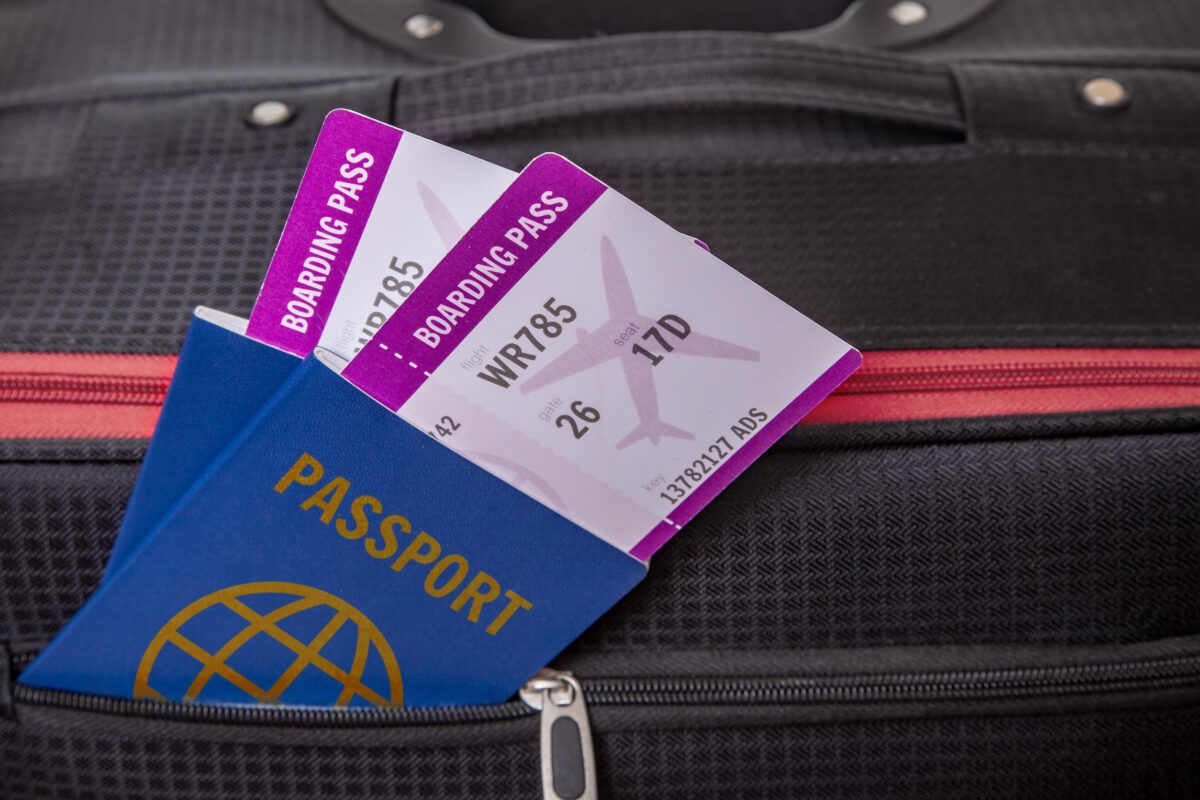
Most travelers think of flying as a simple process.
Buy a ticket. Show identification. Pass through security. Board the aircraft.
Behind that familiar routine, however, is a complex network of databases designed to verify identities, screen passengers and manage one of the world’s busiest transportation systems.
When a person books a flight, information such as their name, date of birth, travel details and reservation information enters systems used by airlines and government agencies. TSA uses passenger information through programs such as Secure Flight to help determine whether travelers require additional screening or pose security concerns.
That system was created to strengthen aviation safety.
But the debate surrounding Tlaib’s legislation centers on what happens afterward.
Should information collected because someone wants to board a plane also become a tool for immigration enforcement?
That question has placed TSA passenger data at the center of a much larger national conversation about privacy and government surveillance.
How a Flight Reservation Can Become an Immigration Enforcement Lead
The value of travel information for immigration officials comes from one simple factor: predictability.
Unlike many other investigations where officials must locate someone through extensive searches, a flight reservation provides a specific time and place.
A passenger record can reveal:
- When someone plans to travel
- Which airport they are expected to visit
- Which airline they are using
- Whether they may be available for contact or enforcement action
For immigration officials, that information can make locating a person significantly easier.
For critics, the concern is that a person’s decision to travel could unintentionally become a government tracking event.
The debate is not whether agencies can investigate immigration violations. The debate is whether a security database created for air travel should also become part of that enforcement process.
Tlaib’s Bill Targets the Information Pipeline Behind Airport Arrests
The No TSA Data for ICE Act would restrict the Department of Homeland Security from using certain TSA passenger information and commercially obtained travel data for ICE and Customs and Border Protection activities.
The proposal focuses on preventing agencies from using:
- TSA passenger screening information
- Certain travel records
- Personally identifiable information obtained through data brokers
- Other passenger-location information used to identify travelers
The legislation does not represent a complete ban on immigration enforcement at airports.
Instead, it attempts to block one specific method: using travel-security information as a pathway for immigration operations.
That distinction is important because immigration enforcement can still occur through other investigative methods, court orders, or independently obtained information.
The proposed law is aimed at limiting how passenger data moves between government systems.
The Debate Over “Mission Creep” After 9/11
One of the biggest questions surrounding the bill is whether government systems built for one purpose should later be used for another.
After the September 11 attacks, federal agencies dramatically expanded information sharing. The creation of the Department of Homeland Security was partly based on the idea that agencies needed better coordination to identify threats.
Supporters of broad information sharing argue that agencies should not operate in isolation.
Their argument is simple:
If the government already has information that can help enforce laws and improve public safety, agencies should be able to use it.
Critics see a different problem.
They argue that systems created for national security can gradually expand into other areas, creating a situation where Americans and visitors provide information for one reason but later see it used for another.
This is the heart of the mission-creep debate.
The Numbers Behind the TSA and ICE Controversy
The debate intensified after reports revealed the scale of TSA-related information sharing.
According to reporting by Reuters, TSA provided information involving more than 31,000 travelers for possible immigration enforcement purposes during the period reviewed. More than 800 arrests followed TSA tips, according to the report.
The numbers raise difficult questions on both sides.
Supporters of enforcement argue the information helped locate individuals who may have violated immigration laws.
Critics argue the size of the database matters because thousands of people can become part of an enforcement system even though only a portion ultimately face arrest.
The central question becomes:
How much information should the government collect and share when only some cases lead to enforcement action?
Why Airport Enforcement Creates a Different Kind of Debate
Immigration enforcement has traditionally been associated with border crossings, workplace investigations and immigration court proceedings.
Airports create a different situation.
They are highly controlled environments where people must provide identification, follow security procedures, and interact with federal systems before boarding.
That makes airports attractive locations for enforcement.
A traveler cannot simply avoid TSA screening and still catch a commercial flight.
This creates a unique privacy concern because participation is not optional. Anyone who wants to travel by air must enter a system where personal information is collected and processed.
For critics of TSA-ICE data sharing, that creates a powerful argument:
A person should not lose control over their personal information simply because they need to travel.
The Global Entry and TSA PreCheck Question
While airport arrests have received most of the attention, another part of Tlaib’s proposal focuses on trusted traveler programs.
Programs such as TSA PreCheck and Global Entry allow millions of approved travelers to receive faster airport screening and border processing.
The bill would limit the government’s ability to deny or remove participants based on constitutionally protected activities, such as political speech or lawful demonstrations.
This expands the debate beyond immigration.
It raises a broader question:
Should access to government travel programs ever depend on a person’s political expression?
Supporters of the provision say trusted traveler programs should be based on security standards, not political opinions.
Opponents may argue that government agencies need flexibility to protect national security.
Airlines Are Caught Between Federal Enforcement and Passenger Trust
Airlines have also become part of the controversy.
Carriers must follow federal requirements while also managing passenger safety, customer trust and operational challenges.
When immigration officers attempt enforcement actions near boarding areas or aircraft, airlines must navigate complicated questions:
- When can federal officers access passengers?
- What documentation is required?
- How should crews respond?
- How can disruptions be minimized?
Airports are no longer just transportation centers. They have become places where immigration policy, federal authority and passenger privacy collide.
Private Data Brokers Add Another Layer to the Debate
A major feature of Tlaib’s bill is that it does not focus only on government databases.
It also targets information obtained from private data companies.
That matters because government agencies increasingly operate in a world where personal information can come from many sources.
Travel details, consumer records and digital activity can create detailed profiles of individuals.
By addressing private data brokers, the legislation attempts to prevent agencies from simply replacing restricted government access with commercially purchased information.
The debate therefore extends beyond TSA.
It becomes a discussion about the entire modern data economy.
What Happens If the Bill Becomes Law?

If enacted, the legislation could change how immigration agencies locate individuals through travel information.
ICE and CBP would likely face new limits on using certain passenger records as investigative tools.
TSA would have clearer restrictions on how its information could be used for immigration purposes.
Travelers could gain stronger assurances that information provided for airport security would not automatically become part of immigration enforcement operations.
However, immigration enforcement would continue through other methods.
The bill would not eliminate immigration investigations. It would change one specific information pathway.
The Bigger Question: Who Owns Your Travel Data?
The fight over Tlaib’s TSA data bill reflects a much larger challenge facing governments around the world.
Modern society runs on information.
Every online purchase, government form, and airline reservation creates a digital record.
The question lawmakers must answer is where the limits should exist.
Should government agencies have maximum access to information to enforce laws efficiently?
Or should stronger boundaries exist to prevent data collected for one purpose from becoming a tool for another?
The answer will shape more than airport enforcement.
It could influence how Americans think about privacy, security and government power for years to come.
Because in the modern age, a boarding pass is no longer just a ticket to the next destination.
It is also a record of where we go, when we travel, and how much information we are willing to share along the way.