Trump ICE Policy Detains Military Spouses and Parents, Raising Questions About Readiness and Trust
A soldier can prepare for combat, long deployments, and life far from home. What no training manual can prepare them for is watching a spouse or parent disappear into immigration detention while they are still wearing the uniform of the country carrying out the arrest.
That is the unsettling reality facing dozens of American military families under President Donald Trump’s expanded immigration enforcement policy. According to an Associated Press investigation, more than 50 spouses and parents of active-duty service members have been detained, and at least six have already been deported.
The numbers tell only part of the story. Behind every arrest is a service member being asked to defend the United States while wondering whether the government will remove the person caring for their children, supporting their household, or waiting for them to return from deployment.
When Immigration Enforcement Enters the Barracks
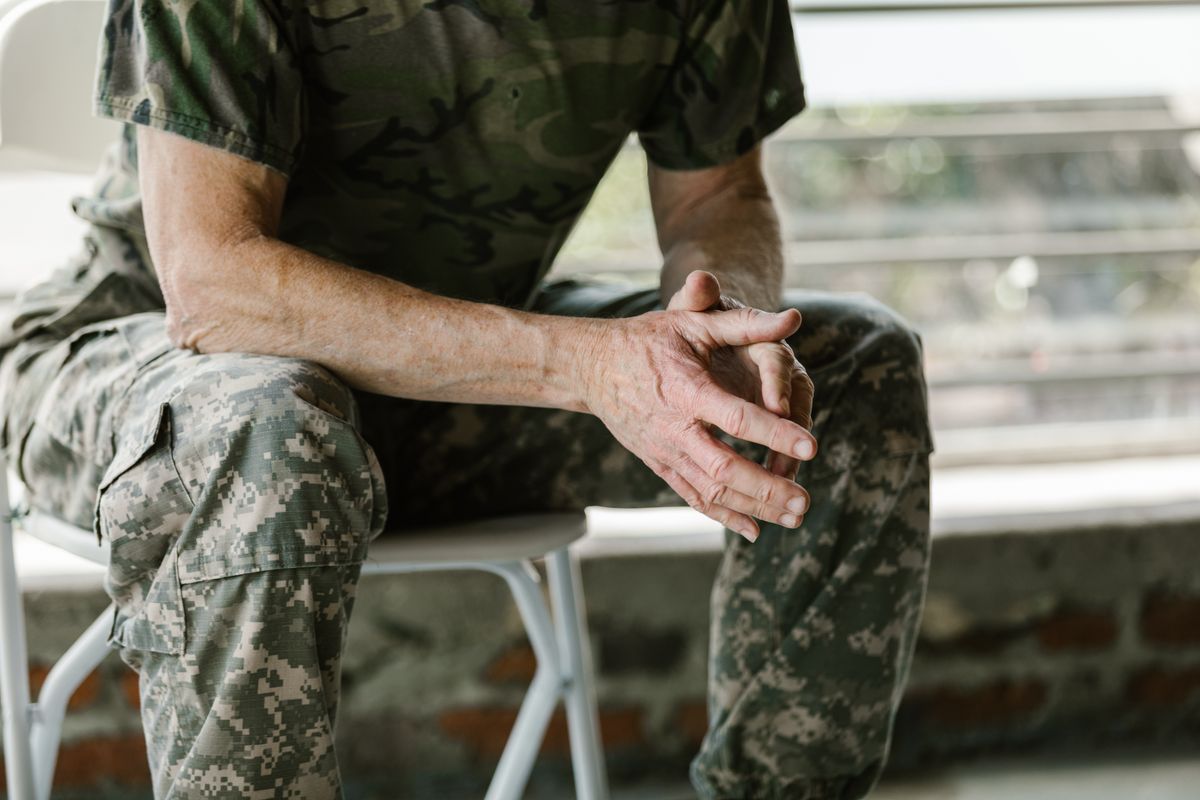
The Trump administration has made its position clear. Military service does not automatically provide legal immigration status to a soldier’s relatives, nor does it exempt them from enforcement.
Legally, that argument is straightforward. Emotionally and operationally, it is far more complicated.
The military depends on stability at home. Soldiers, airmen, sailors, and Marines must be able to leave for training or deployment knowing their children are safe and their families are supported. When a spouse is detained without warning, that stability collapses overnight.
Army Staff Sgt. Alexis Jaramillo reportedly had to take administrative leave after his wife was detained, leaving him responsible for caring for their child. In another case, Army Sgt. Hedar Leonel Turcios Juarez said his wife was detained outside a Walmart in front of their six-year-old child.
His question captured the problem facing the entire military: How can a service member focus on a career, a mission, or a deployment while worrying about whether a spouse will be deported?
A Promise That Now Feels Uncertain
For years, military families were told about a program known as parole in place. The policy allows certain undocumented spouses, parents, and children of service members to request temporary protection and pursue legal status without first leaving the United States.
The program was designed around a simple idea. Troops serve more effectively when they are not distracted by fears that their immediate relatives could be removed from the country.
Yet the new enforcement climate has made that protection feel increasingly fragile. Some relatives have reportedly been detained while actively trying to correct their immigration status. Others were arrested during routine appointments with immigration officials.
Air Force Tech. Sgt. Wendy Gbeve said her father was detained during an immigration interview and deported to Mexico before she received meaningful updates. For a family attempting to follow the legal process, the appointment became the moment their household was torn apart.
This creates a dangerous message. Military families are encouraged to come forward, submit paperwork, and trust the system. But for some, cooperating with the system may expose them to detention.
The Readiness Cost No One Can Ignore

Immigration policy is often discussed in courtrooms and campaign speeches. Military readiness is measured in far more practical terms.
Can a soldier report for duty? Can a parent deploy on schedule? Is there someone available to care for the children? Can a service member concentrate during training?
A detained spouse can turn a military household into an emergency within hours. Childcare arrangements disappear. Legal bills grow. Leave requests increase. Commanders must adjust schedules while units absorb the disruption.
These are not abstract concerns. They affect whether troops are physically present, mentally focused, and prepared to carry out orders.
The issue becomes even more serious during periods of overseas conflict. The government cannot demand complete concentration from military personnel while creating uncertainty inside their homes.
Trust Is Becoming the Hidden Casualty
The most damaging consequence may not be visible in detention statistics. It may be the loss of trust between service members and the institutions they serve.
U.S. Army Specialist Romero Ralios reportedly described his father’s deportation as “karma” after working alongside Border Patrol at the southern border. His words revealed a painful conflict between duty and regret.
Service members are trained to trust the chain of command. They are taught that sacrifice will be recognized and that military families form part of a larger support system.
But that trust weakens when commanders cannot help troops facing immigration crises. Capt. Mohamed Elmaola warned that military leaders lose credibility when they are unable to support subordinates whose relatives have been detained.
A uniform should not place anyone above the law. However, military service has always carried special obligations and special considerations. The country asks service members to relocate without warning, spend months away from home, and risk their lives. In return, they expect the government to understand the unique pressures placed on their families.
Enforcement Without Coordination Creates Chaos

The Department of Homeland Security says some detainees had existing removal orders, prior deportations, or criminal convictions. Those details matter and should be evaluated individually.
However, the government does not specifically track how many military spouses or parents are detained. That makes it difficult to measure the full impact on readiness, retention, and morale.
A more responsible policy would require coordination between immigration officials and military leaders before detaining an immediate relative of an active-duty service member. Officials could review whether the person poses a public safety risk, whether a legal application is pending, and whether detention would leave a child without care.
Such a process would not guarantee legal status. It would simply ensure that immigration enforcement does not accidentally undermine military operations.
The deeper question is not whether the law should apply to military families. It should. The real question is whether the government can enforce that law without punishing the very people it depends on to defend the country.
A soldier should not have to choose between serving the nation and protecting a family from the nation’s immigration system. When that choice becomes unavoidable, readiness suffers, trust erodes, and the meaning of military sacrifice begins to change.