Michigan Senate Race Faces New Scrutiny as Abdul El Sayed’s Fundraising Connections Spark Political Debate
Michigan’s closely watched Senate race has entered a new phase of political controversy after questions emerged about Democratic nominee Abdul El Sayed’s campaign donations and reported connections between some contributors and the Council on American Islamic Relations (CAIR). The issue has quickly become a major point of discussion among political opponents, advocacy groups, and voters across the state. Critics argue that the campaign’s fundraising network raises questions about transparency and political influence. At the same time, supporters say the controversy unfairly targets community members who are legally participating in the democratic process.
The debate comes as Michigan prepares for a high-profile general election battle between El Sayed and Republican candidate Mike Rogers, a former congressman. The race is expected to receive national attention because Michigan remains one of the most important battleground states in American politics. Beyond one candidate or one organization, the controversy has reopened broader debates about campaign financing, advocacy groups, foreign policy, and how political alliances shape elections.
Campaign Donations Put Abdul El Sayed’s Political Network Under the Microscope
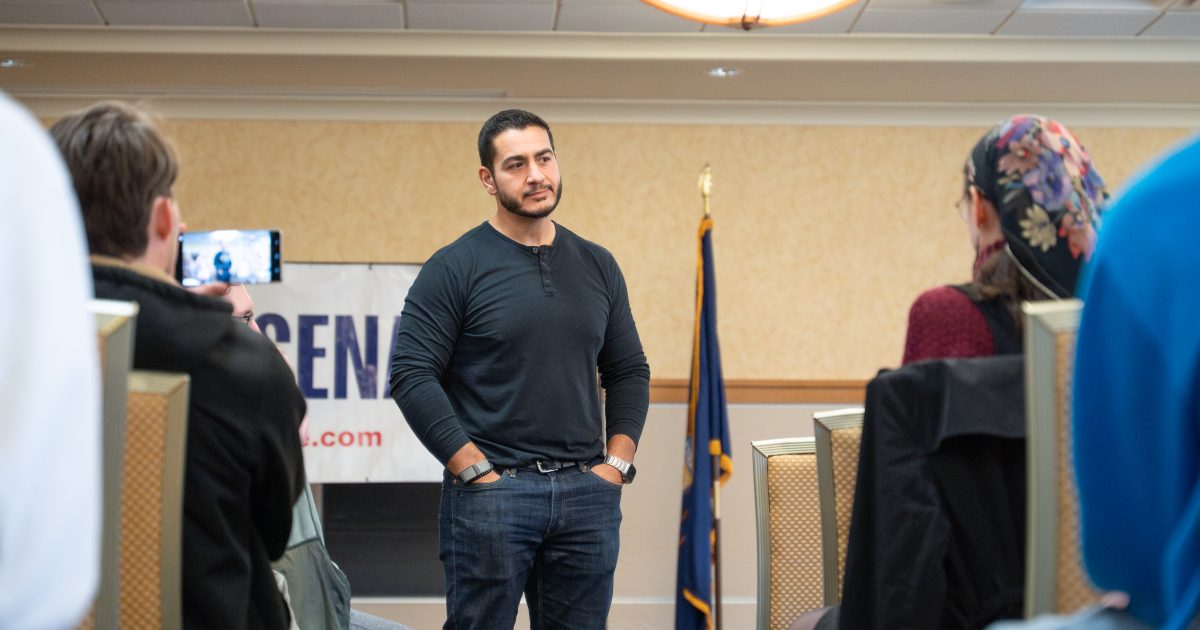
The controversy began after reports highlighted more than $100,000 in contributions from donors with current or past connections to CAIR. Campaign finance records reviewed by political opponents and media organizations identified dozens of individuals connected to CAIR who contributed to El Sayed’s campaign. The reported donors include people associated with CAIR’s national organization as well as state-level chapters. Contributions reportedly came from individuals across multiple states, including Michigan, California, Texas, Illinois, Ohio, Minnesota, Arizona, Washington, and Georgia. For critics of the campaign, the donations raise questions about organized political influence and whether voters should have greater awareness of the networks supporting candidates.
Republican opponents have argued that campaign supporters and donors provide important information about a candidate’s political relationships and priorities. They say voters should understand the backgrounds of major donor groups, especially when those groups are involved in national debates involving foreign policy, security, or international issues. Supporters of El Sayed have pushed back against the criticism. They argue that community leaders, activists, and members of advocacy organizations have the same constitutional right as any other Americans to participate in elections. They also argue that targeting donors because of their association with a Muslim civil rights organization creates an unfair standard that is not applied equally across American politics.
CAIR Faces Renewed Attention During Michigan Senate Debate
The fundraising controversy has brought renewed attention to CAIR’s history, public role, and political reputation. CAIR is one of the largest Muslim civil rights organizations in the United States. The organization describes its mission as protecting civil liberties, fighting discrimination, and advocating for Muslim Americans. However, CAIR has faced criticism from some political groups because of allegations and disputes dating back years. During the 2007 Holy Land Foundation terrorism financing trial, federal prosecutors listed CAIR as an unindicted co-conspirator.CAIR was not charged with a crime and has repeatedly denied allegations that it supports terrorism or has improper connections with extremist organizations. The organization has argued that accusations against it rely on outdated claims and political attacks rather than its current activities.
CAIR officials have highlighted statements condemning terrorism, antisemitism, and violence against civilians while emphasizing its work on civil rights issues. The debate surrounding CAIR reflects a larger political divide. Supporters view the organization as an important civil rights group representing a minority community. Critics argue that questions surrounding its past should be considered when evaluating political relationships. The Michigan Senate race has placed those disagreements directly into the national spotlight.
El Sayed’s Past Engagements Add Another Layer to the Controversy
The discussion over campaign donations has also renewed attention on Abdul El Sayed’s previous interactions with progressive and Muslim advocacy organizations. El Sayed has long been associated with progressive politics and has built his campaign around issues such as healthcare access, economic inequality, and government accountability. Before launching his Senate campaign, he gained national attention during his unsuccessful 2018 campaign for Michigan governor, where he positioned himself as a progressive alternative within the Democratic Party. His political views have attracted strong support among younger voters and progressive activists, but they have also generated criticism from opponents.
Republicans and some pro-Israel activists have questioned his positions on Middle East issues, including his statements regarding Israel, Iran, and regional conflicts. They argue that his relationships with certain advocacy groups deserve closer examination. El Sayed’s supporters reject those criticisms, saying his positions reflect a broader progressive approach focused on human rights, diplomacy, and social issues. They argue that political opponents are attempting to shift attention away from domestic concerns affecting Michigan residents, including healthcare costs, wages, housing affordability, and economic opportunity.
Michigan Becomes the Center of a National Political Battle
The controversy arrives as Michigan continues to play a critical role in determining the direction of American politics. Michigan has become one of the country’s most competitive states, with elections often decided by narrow margins and shifting voter coalitions. The state’s electorate includes major voting blocs that both parties are competing to reach, including suburban voters, working-class communities, younger voters, and minority populations. El Sayed’s campaign has focused heavily on grassroots organizing and building support among voters seeking major changes in government policy.
His supporters argue that his campaign represents a changing Michigan where younger generations and diverse communities are becoming more politically influential. Republicans see the fundraising controversy as an opportunity to question his judgment and political alliances. They are expected to argue that voters should consider not only a candidate’s policy positions but also the organizations and individuals helping support their campaigns. The debate is likely to continue as both parties attempt to define what the race represents.
Republicans Prepare to Make Donor Relationships a Major Campaign Issue
The El Sayed fundraising controversy is expected to become a central argument for Republican opponents throughout the campaign. Mike Rogers and Republican allies are likely to highlight the issue as part of a broader message about transparency, national security, and political accountability. Republicans have historically focused on questions involving foreign policy and organizations they believe may influence American politics. They are expected to argue that voters deserve complete information about the networks behind political candidates. For the El Sayed campaign, the response will likely focus on defending the legitimacy of its supporters and emphasizing the issues that directly affect Michigan families.
Democrats supporting El Sayed argue that his coalition reflects the state’s changing demographics and growing interest in progressive policies. They say attacks based on donor relationships distract from discussions about wages, healthcare, education, and economic challenges facing residents. The competing arguments show how modern campaigns increasingly focus not only on policy differences but also on questions about identity, alliances, and political influence.
Campaign Finance Debate Takes Center Stage in Michigan
The controversy surrounding El Sayed’s donations reflects a larger national debate about money and influence in American elections. Campaign finance has remained one of the most controversial topics in U.S. politics for decades. Candidates from both major parties receive financial support from individuals, businesses, unions, advocacy organizations, and political networks. Supporters argue that political donations represent participation in democracy. They believe Americans should be able to support candidates who share their values.
Critics argue that voters deserve greater transparency about who funds political campaigns and what interests those supporters represent. The Michigan Senate race has brought these questions into focus. The central debate is not only about one candidate or one organization. It reflects a broader disagreement over how much influence organized groups should have in shaping elections.