Chris Christie Eyes Another White House Run as Trump’s GOP Faces a 2028 Power Struggle
Former New Jersey Gov. Chris Christie is once again drawing attention in Republican circles as speculation grows over whether he could launch another presidential campaign in 2028. After years of standing as one of Donald Trump’s most prominent Republican critics, Christie appears ready to test whether there is room in the party for a different kind of conservative leader. Christie has not officially announced a campaign, but his public comments suggest he is keeping the possibility open. The former governor has remained active in national political discussions, positioning himself as an experienced Republican voice at a time when the party is beginning to consider what comes after Trump’s influence.
A potential 2028 campaign would mark another attempt at the presidency for Christie, who previously sought the Republican nomination in 2016 and briefly entered the 2024 primary race before withdrawing. However, the political environment he would enter has changed dramatically. The Republican Party that Christie faces today is far different from the one he competed in nearly a decade ago.
Christie Keeps the Door Open for Another Presidential Run
Chris Christie has avoided making a formal announcement about his plans, but he has indicated that he is not ruling out another White House campaign. His supporters point to his long government record as one of his biggest strengths. Christie served as governor of New Jersey from 2010 to 2018 and became nationally recognized for his direct communication style and willingness to take on difficult political battles.
Before becoming governor, Christie served as the U.S. attorney for New Jersey, where he gained attention for prosecuting public corruption cases and building a reputation as a tough law enforcement figure. Supporters argue that experience gives him a unique advantage in a Republican field that may include several candidates with less executive experience. Throughout his career, Christie has emphasized issues such as government accountability, public safety, fiscal responsibility, and leadership during crises. But his relationship with Donald Trump has become one of the defining issues surrounding his political identity.
A Republican Critic of Trump Faces a Changed Party
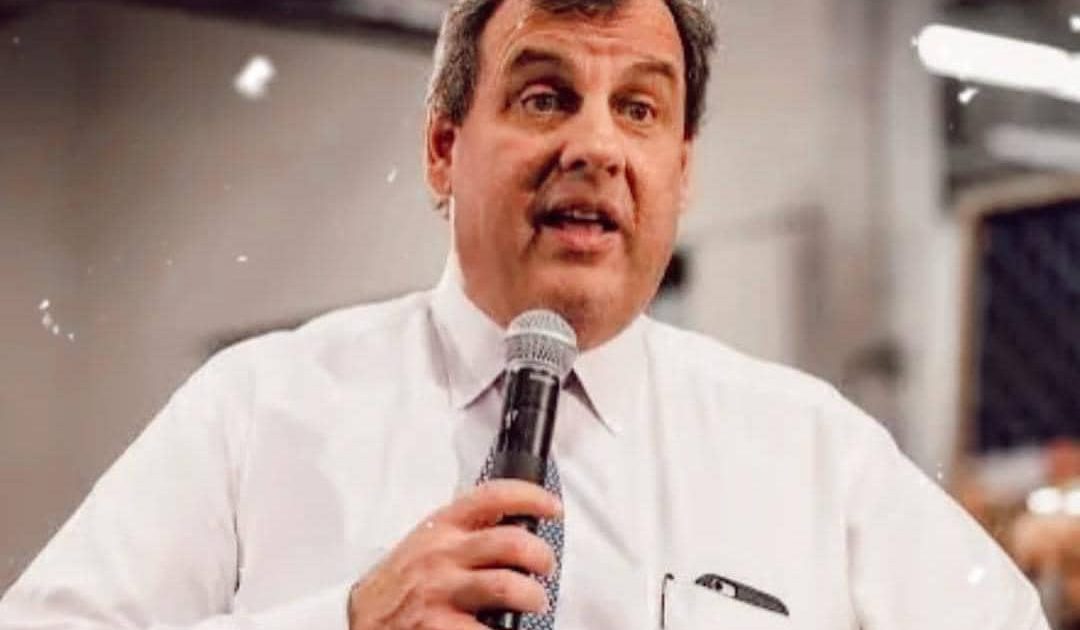
Christie’s biggest challenge in 2028 may not be his experience or political skills. It may be whether Republican voters are ready for the message he represents. Since Trump’s rise, the Republican Party has undergone a major transformation. Many voters now prioritize candidates who strongly embrace the “America First” movement, including stricter immigration policies, skepticism toward international institutions, trade changes, and opposition to what they view as the traditional political establishment. Christie, meanwhile, has become one of Trump’s most outspoken Republican critics.
During the 2024 Republican primary, Christie argued that the party needed to move beyond personal loyalty to Trump and focus more on governing principles and policy outcomes. His criticism earned support from some Republicans who wanted a different direction for the party. However, it also created distance between Christie and many voters who remain strongly aligned with Trump’s political movement. A 2028 campaign would force Christie to answer a central question: Can a Republican candidate challenge Trump’s influence while still winning over the voters who helped reshape the party?
Christie’s Previous Presidential Campaign Offers Lessons
Christie is not new to the national stage. During the 2016 Republican primary, he gained attention for his debate performances and his ability to deliver sharp attacks against opponents. Many political observers viewed him as one of the strongest communicators in the field. However, his campaign struggled to gain enough support in a crowded Republican race. After a disappointing result in the New Hampshire primary, Christie ended his campaign and later endorsed Trump.
Years later, their political relationship changed dramatically. Christie became a vocal critic of Trump, especially over issues involving leadership style, election disputes, and the events surrounding January 6, 2021. That history would likely become a major topic if Christie enters the 2028 race. Supporters could argue that his willingness to challenge his own party’s most powerful figure shows independence. Critics could argue that his shift represents a political calculation. How voters interpret that history could determine whether Christie gains momentum or struggles to build support.
The 2028 Republican Race Could Become a Battle for the Party’s Future
Although the 2028 election remains years away, potential Republican contenders are already being discussed. The field could include governors, senators, Trump allies, and conservative leaders seeking to define the next chapter of the Republican Party. For Christie, his strongest argument would likely focus on experience and leadership. He could present himself as a candidate who understands government operations, has managed a state, and has experience dealing with national political challenges.
His challenge would be competing against candidates who may have stronger connections with the current Republican base. The Republican electorate has changed significantly since Christie first ran for president. Many voters now place greater importance on cultural issues, populist economic policies, and loyalty to Trump’s broader political agenda. A Christie campaign would need to convince voters that a different approach can still represent conservative values.
A Possible Comeback Built Around Experience and Independence
Christie’s political future depends on whether he can create a coalition of voters who want a Republican leader with executive experience but are looking for a different tone. His supporters believe his willingness to speak directly and challenge powerful figures could become an advantage.
They argue that many voters may eventually seek a leader who focuses less on political battles and more on governing. Critics, however, believe Christie’s opposition to Trump could make it difficult for him to gain traction among Republican primary voters. The challenge is not simply winning an election. It is understanding where the Republican Party will be by 2028.
Christie’s Next Move Could Shape the Republican Debate
For now, Chris Christie remains in the early stages of exploring his political future. He has not launched a campaign, built a formal presidential organization, or entered the 2028 race. But his continued presence in national politics suggests he is considering another opportunity to compete for the presidency. A second White House campaign would give Christie another chance to introduce himself to Republican voters and argue for his vision of the party’s future.
The central question remains whether there is enough space in today’s Republican Party for a candidate who supports conservative policies while openly challenging Trump’s influence. If Christie decides to run, the 2028 Republican race could become not only a contest for the presidency but also a battle over what direction the party takes in the years ahead.