NORAD Fighter Jets Intercept Two Aircraft After Restricted Airspace Breach Near Trump Golf Club
NORAD fighter jets intercepted two aircraft after they entered restricted airspace near one of President Donald Trump’s golf clubs, highlighting the continued security measures around protected locations and the challenges officials face in monitoring U.S. airspace.
The North American Aerospace Defense Command confirmed that military aircraft responded after the planes entered restricted airspace near Trump National Golf Club Bedminster in New Jersey, where temporary flight restrictions were in place.
The incident did not result in any reported threat, but it demonstrated the rapid response procedures used by military and aviation authorities when unauthorized aircraft approach sensitive areas.
NORAD Jets Respond After Aircraft Enter Restricted Airspace
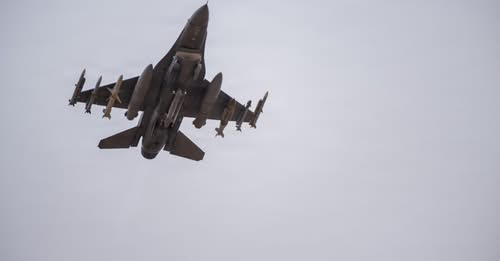
NORAD, the joint U.S.-Canadian military command responsible for aerospace warning and defense, routinely monitors American and Canadian airspace for potential threats.
Officials said fighter aircraft were launched after two planes violated restricted airspace near the Trump golf club. The military response followed established security procedures designed to identify and address aircraft that enter protected zones without authorization.
Temporary flight restrictions are commonly established around certain locations and events involving high-profile government officials. These restrictions help protect national leaders, prevent security risks, and allow authorities to maintain control over nearby airspace.
When aircraft enter these areas without approval, military pilots may be dispatched to intercept and identify the aircraft.
Trump Golf Club Security Remains a Major Concern
The incident occurred near Trump National Golf Club Bedminster, a location that has frequently received heightened security attention because of Trump’s visits and political activities.
Protected locations involving current or former presidents often receive additional security measures from multiple agencies, including the Federal Aviation Administration, Secret Service, and military authorities.
Airspace restrictions around such locations are designed to prevent unauthorized flights from approaching areas where protected individuals may be present.
The restrictions can apply to small private aircraft, drones, and other aviation activity. Pilots who enter restricted zones without permission may face interception, investigation, or enforcement actions.
How NORAD Handles Unauthorized Aircraft
NORAD’s mission includes detecting, identifying, and responding to potential aerospace threats across North America.
The organization works closely with the Federal Aviation Administration and other agencies to track aircraft activity and respond when unusual situations develop.
Military intercepts are not automatically signs of a hostile situation. In many cases, aircraft enter restricted airspace because of navigation mistakes, communication problems, or a lack of awareness about temporary restrictions.
When fighter jets intercept an aircraft, pilots typically attempt to establish communication and determine whether the aircraft poses a security concern. The response allows authorities to quickly assess the situation and keep protected areas secure.
Restricted Airspace Violations Are Not Uncommon
Airspace violations near protected locations occur regularly, particularly during periods when temporary flight restrictions are active.
Many pilots are unfamiliar with changing restrictions, especially those created for presidential visits, major events, or emergencies.
The FAA publishes notices about temporary flight restrictions to inform pilots of areas where special rules apply. However, mistakes can still happen because restrictions may change quickly.
Officials often emphasize that these incidents demonstrate why monitoring systems and rapid military responses remain necessary.
A Reminder of the Complex Security Environment Around Leaders
The interception comes as security officials continue managing threats surrounding political leaders and government figures.
Modern presidential security involves multiple layers of protection, including physical security, cybersecurity, intelligence monitoring, and airspace defense.
Military aircraft play a critical role in protecting restricted areas by providing a rapid response capability when unidentified or unauthorized aircraft appear.
The ability to quickly intercept aircraft allows authorities to address potential risks before they develop into larger security concerns.
The Role of Temporary Flight Restrictions in Presidential Security
Temporary flight restrictions are among the most visible security measures used during presidential travel and visits.
These restrictions create controlled areas where aircraft cannot operate without approval. They may cover locations such as presidential residences, campaign events, government facilities, and other sensitive sites.
The restrictions are intended to balance security needs with the continued operation of civilian aviation. Commercial flights, medical aircraft, and approved aviation activities can continue operating under specific conditions, but unauthorized aircraft may trigger immediate responses.
Military Intercepts Often End Without Major Threats
Although fighter jet interceptions can appear alarming, many incidents end peacefully after authorities confirm that an aircraft does not pose a danger.
Pilots may accidentally enter restricted areas due to misunderstanding navigation instructions or failing to notice temporary restrictions. Once the aircraft is identified and the situation is resolved, military aircraft typically return to normal operations.
Officials continue to treat every violation seriously because even accidental incidents can create security concerns around protected individuals.
What This Incident Shows About U.S. Airspace Security
The NORAD response near Trump’s golf club highlights the constant monitoring required to protect sensitive locations.
The United States operates one of the world’s busiest airspaces, with thousands of aircraft traveling daily for commercial, private, and government purposes.
Maintaining security requires cooperation between military organizations, aviation regulators, law enforcement agencies, and pilots.
NORAD’s quick response demonstrates how military and civilian systems work together to identify potential problems and maintain safety.
Security Measures Remain Active Around Trump Locations
As Trump continues public appearances and travel between various locations, security agencies remain prepared to respond to potential threats.
Airspace protection is a routine part of presidential and former presidential security operations. Similar measures have been used around other high-profile leaders and government officials.
The interception of two aircraft near the Trump golf club serves as another example of how closely restricted areas are monitored.
While no threat was reported, the incident underscores the importance of constant vigilance and rapid response in protecting some of the nation’s most sensitive locations.