Pentagon Pushes Defense Contractors to Speed Up Weapons Production as U.S. Stockpiles Face Pressure
The Pentagon is pushing America’s largest defense contractors to move faster on weapons production as officials warn that critical military stockpiles have been heavily reduced following months of fighting with Iran.
Deputy Defense Secretary Steve Feinberg has ordered defense companies to submit plans within 21 days outlining how they can increase production and deliver key military capabilities more quickly. The directive reflects growing concerns inside the Defense Department that traditional weapons development timelines are too slow for current security challenges.
“Years long development cycles are not acceptable,” Feinberg wrote in a memo sent to industry leaders, according to reports from The Washington Post.
The message from the Pentagon is clear: the United States wants a faster, more flexible defense industry able to replace weapons at the pace modern conflicts demand.
Missile Defense Supplies Face New Attention After Iran Conflict

One of the biggest concerns involves America’s inventory of missile defense systems, including Patriot and Terminal High Altitude Area Defense interceptors, commonly known as THAAD.
A report from the Center for Strategic and International Studies found that U.S. stockpiles of Patriot interceptors declined significantly during the conflict with Iran. According to the analysis, inventory levels dropped from approximately 2,330 interceptors before the war to about 1,030 by the time of the April ceasefire.
Following additional fighting, the stockpile was estimated to be between 759 and 827 interceptors, representing a decline of at least 65 percent compared with pre-conflict levels.
THAAD interceptors also experienced reductions. The CSIS analysis estimated that the stockpile decreased from 452 before the conflict to between 232 and 262 by the beginning of the ceasefire period. Although some replenishment took place, current levels remain below where they were before the fighting began.
Military analysts have warned that lower inventories could force difficult choices in future conflicts, requiring the United States and its allies to decide carefully when to use missile defense systems against incoming threats.
Pentagon Says Defense Industry Must Change Faster
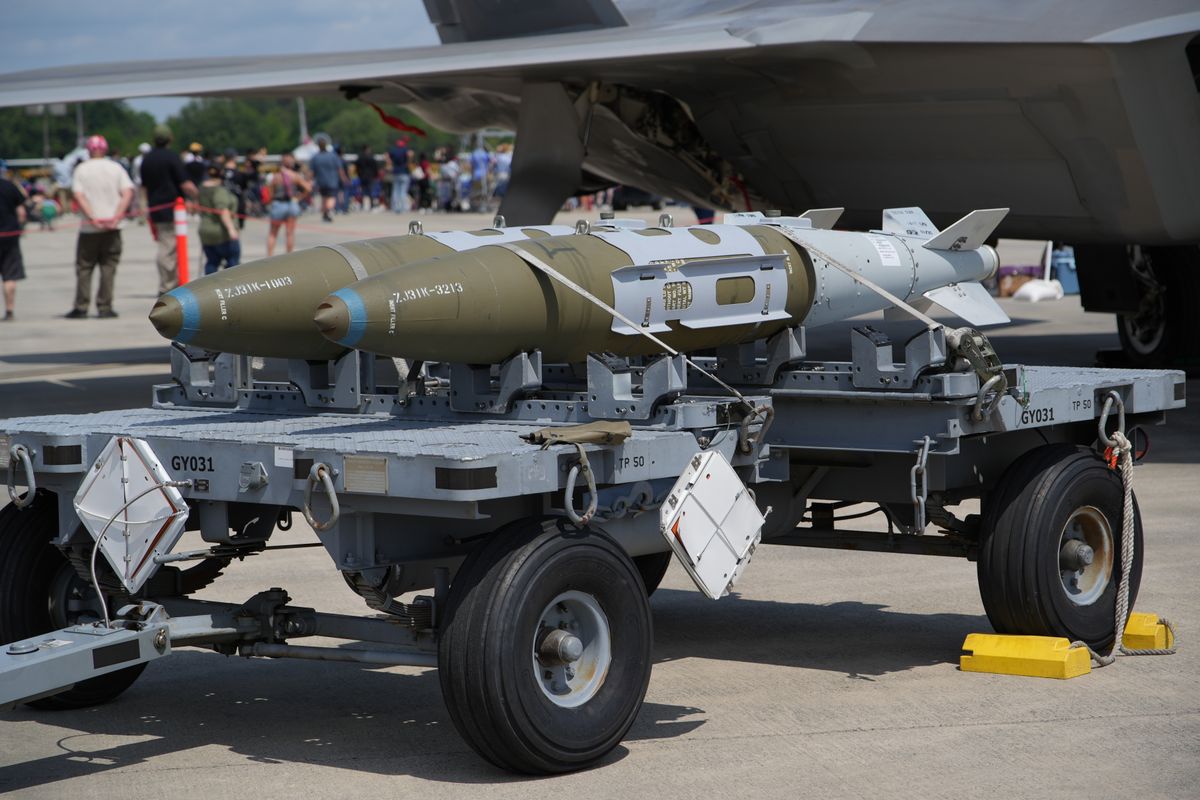
Pentagon spokesman Sean Parnell said the department has been focused on increasing the speed, capacity, and effectiveness of the American defense industrial base under Defense Secretary Pete Hegseth.
“This Department has been focused on delivering generational change to the speed, capacity, and lethality of America’s defense industrial base,” Parnell said in a statement.
He added that Feinberg’s effort aims to address problems in the military acquisition system and help the United States produce weapons faster.
The Pentagon’s push highlights a long-running debate over whether America’s defense industry can keep up with modern warfare demands. Many advanced weapons systems require years of development, testing, and production, creating challenges when conflicts quickly consume supplies.
Officials argue that increasing manufacturing capacity is necessary to ensure the military can respond to future threats without facing major shortages.
Rebuilding Stockpiles Could Take Years

Replacing depleted weapons systems will not happen overnight.
Analysts estimate that rebuilding supplies of weapons such as Patriot interceptors, THAAD systems, and Tomahawk cruise missiles could take several years, even with increased funding.
The challenge is not only financial. Defense companies must also expand manufacturing lines, secure materials, train workers, and manage supply chains.
The Pentagon’s new directive is expected to influence future budget planning, including the fiscal year 2028 defense budget proposal.
Meanwhile, lawmakers in Congress continue debating defense spending priorities. A major spending bill remains stalled as some lawmakers criticize the administration’s military actions involving Iran and question calls for a larger Pentagon budget.
Debate Continues Over U.S. Defense Spending

President Donald Trump has pushed back against reports suggesting the United States faces serious weapons shortages.
In a Truth Social post, Trump said the country maintains “massive amounts” of weapons and that large quantities are being produced and delivered as needed.
Pentagon officials, however, argue that increasing production capacity remains necessary to strengthen the country’s long-term defense readiness.
The Pentagon’s effort reflects a broader concern among military planners: modern conflicts can consume advanced weapons faster than traditional manufacturing systems can replace them.
As global security challenges evolve, the debate over defense production, military spending, and America’s weapons readiness is likely to remain a major issue in Washington.
For the Pentagon, the goal is straightforward: build faster, replace sooner, and ensure the United States has the resources needed before the next major crisis arrives.