Trump Bets Iran’s Economic Pain Will Force Tehran to Bend, but the Pressure Carries Risks of Its Own
Iran’s economy has become another battlefield in the confrontation between Washington and Tehran, and President Donald Trump increasingly appears willing to let financial pressure do more of the fighting. Trump’s economic pressure on Iran rests on a clear calculation: restrict Tehran’s access to money, magnify its internal weaknesses, and raise the cost of continued confrontation. Trump has emphasized Iran’s inflation, currency problems and broader financial distress as evidence that pressure is taking hold. The strategy suggests Washington believes Iran’s economy may now be one of the government’s most vulnerable pressure points.
The numbers help explain that confidence, although they also reveal how severe the consequences could become for ordinary people. The International Monetary Fund projects Iran’s economy to contract sharply in 2026 while consumer inflation remains exceptionally high. That combination can weaken savings, reduce household purchasing power and make business planning increasingly difficult. Yet economic pain does not automatically produce political surrender, which makes Trump’s economic pressure on Iran powerful but uncertain.
Washington Sees an Economy With Less Room to Maneuver

Iran entered the current confrontation with serious weaknesses already embedded in its economy. Sanctions have restricted trade and financial access, but corruption, unstable economic management and the large role of state-linked institutions have also contributed to the country’s difficulties. Washington is therefore not attempting to create vulnerability from nothing. Trump’s economic pressure on Iran is designed to deepen problems that existed long before the latest escalation.
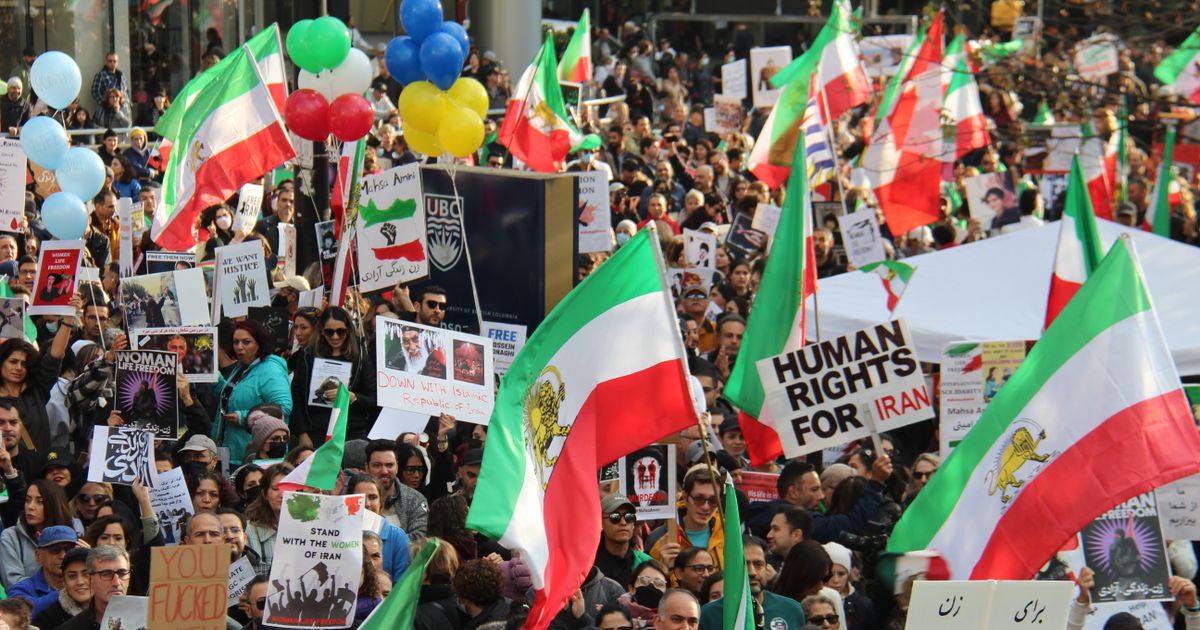
The deterioration became increasingly visible as merchants, students and other Iranians protested rising prices and the declining value of the rial. Currency weakness is especially damaging because it quickly raises the cost of imported goods while eroding confidence in household savings. Businesses also struggle to set prices when exchange rates move rapidly. Those pressures can transform an economic crisis into a broader crisis of public trust.
That political dimension is particularly important in Iran because merchants have played an influential role in the country’s history. Bazaar traders helped support the movement that contributed to the fall of the shah and the creation of the Islamic Republic in 1979. When parts of that community become deeply frustrated with current leadership, the problem carries more weight than a temporary decline in consumer confidence. Trump’s economic pressure on Iran is therefore striking an economy where financial frustration already overlaps with political dissatisfaction.
Treasury Is Chasing the Money Tehran Still Moves
The Trump administration has expanded its financial campaign far beyond traditional restrictions on Iranian oil exports. U.S. authorities have targeted front companies, exchange houses, banks and intermediaries accused of helping Tehran move money outside normal financial channels. The objective is to make every transaction more expensive, complicated and dangerous for anyone assisting Iran. That effort forms a central part of Trump’s economic pressure on Iran.
Washington has also pushed the campaign into the digital economy, particularly cryptocurrency networks that can provide alternatives to conventional banking. U.S. officials have accused Iranian-linked actors of using digital asset platforms, front companies and loosely regulated financial systems to disguise transactions. Those actions show how sanctions enforcement has evolved into a contest between financial surveillance and creative methods of evasion. Every new restriction creates pressure, but it also creates incentives to find another route around the restrictions.
That creates a difficult contradiction for Washington. Each network that Treasury identifies demonstrates the government’s ability to track and disrupt activity Tehran hoped to conceal. Yet each discovered network also shows that Iranian actors remain willing to build new financial channels after older ones are blocked. Trump’s economic pressure on Iran may therefore raise the cost of evasion without eliminating it.
Ordinary Iranians May Feel the Pain Before Tehran Does
Economic sanctions are intended to change government behavior, but the first signs of pain often appear far from political offices. When inflation rises sharply, households can lose purchasing power even when wages remain unchanged. Families may reduce spending, delay major purchases, or move savings into foreign currency and other assets. Those reactions can gradually change the social atmosphere across an entire country.
Washington maintains humanitarian exemptions designed to protect access to medicine, agricultural products and other basic goods. Those exemptions matter because sanctions formally distinguish between humanitarian commerce and activities linked to military or financial institutions. Even so, broad economic isolation can still complicate banking, shipping, insurance and commercial relationships. A legal exemption does not always remove every practical obstacle facing companies trying to conduct business.
This is one of the hardest questions surrounding Trump’s economic pressure on Iran. If the strategy works by making economic conditions increasingly difficult, ordinary citizens may experience much of that hardship before political leaders change course. Powerful insiders may also have greater access to state resources or hidden financial channels than the average household. Hurting an economy and changing government behavior are therefore not the same thing.
Sanctions Can Also Reward the People Who Know How to Evade Them
Economic isolation can shrink legitimate markets while increasing the value of hidden ones. Businesses with transparent international banking relationships may avoid Iran because they fear penalties, secondary sanctions or reputational damage. That retreat creates opportunities for intermediaries willing to operate through shell companies, informal transfers and concealed ownership structures. The tighter the restrictions become, the more valuable those alternative networks can become.
Recent enforcement actions show how extensive those systems can be. U.S. officials have described networks involving hundreds of millions of dollars moving through shadow banking systems and digital assets. Washington argues that disrupting those channels deprives Tehran of foreign currency and weakens institutions connected to military and regional operations. Their existence, however, also demonstrates how profitable financial secrecy can become under heavy sanctions.
This creates a broader political risk inside Iran. Ordinary business owners may struggle to participate in international trade, while connected insiders can gain influence by controlling access to scarce goods or financial channels. Sanctions can weaken the overall economy while leaving certain privileged actors in stronger relative positions. That possibility complicates any assumption that deeper economic pain will automatically weaken every part of the Iranian system equally.
Hormuz Gives Iran Leverage Its Economy Cannot Provide

Iran may face serious financial problems, but geography gives Tehran a form of leverage that economic statistics cannot capture. The Strait of Hormuz remains one of the world’s most important routes for crude oil and liquefied natural gas. Disruption in that narrow waterway can quickly influence shipping, energy prices and insurance costs. That makes Iran capable of creating economic consequences far beyond its own borders.
Commercial traffic through the strait has already faced serious disruption during the conflict. Shipowners must consider security threats, insurance restrictions and the possibility of attacks when deciding whether to enter the Gulf. Fewer vessels moving through a major energy corridor can tighten supply expectations and increase transportation costs. Trump’s economic pressure on Iran may hurt Tehran financially, but Hormuz gives Iran an avenue for sending part of that pressure back into the global economy.
The human dimension is equally important because commercial crews have little control over the political decisions creating the danger. Sailors can become exposed to attacks, delays and uncertainty while governments negotiate over sanctions and security. Shipping companies may demand much higher freight rates when crews and vessels face elevated risk. Those added costs eventually become part of the wider economic burden created by the confrontation.
The Pressure Can Circle Back Toward American Consumers
The Strait of Hormuz creates a particularly difficult problem for Washington because economic pressure can travel in both directions. Rising uncertainty around the waterway can push crude oil prices higher even while sanctions reduce Iran’s access to revenue. Tehran therefore does not need a healthy domestic economy to influence global energy markets. It only needs enough ability to disrupt a strategically important shipping route.
Higher oil prices also affect more than gasoline. Energy costs feed into transportation, plastics, chemicals, manufacturing, food packaging and countless other products. Businesses facing higher input costs may eventually pass some of those expenses to consumers. Trump’s economic pressure on Iran can therefore coexist with higher costs inside the United States if instability in the Gulf continues.
That creates the possibility of an economic boomerang. Washington wants financial pressure to reduce Tehran’s ability to fund military operations and regional influence. Yet prolonged disruption can also increase costs for American households and companies that have no direct connection to Iran. The strategic question becomes whether Iran’s economic pain grows faster than the wider costs generated by continued confrontation.
Iran’s Leaders Cannot Blame Everything on Washington.
Foreign sanctions remain a major part of Iran’s economic difficulties, but they do not explain every problem. Iranian businesses have long complained about corruption, unstable regulations, currency volatility and the economic influence of powerful institutions. Those domestic failures can deepen public frustration because citizens may view hardship as the product of both foreign pressure and internal mismanagement. That combination can become politically dangerous.
The role of influential state-linked organizations is particularly significant. Businesses tied to powerful institutions may have better access to contracts, foreign currency, or protected markets than independent companies. That perception can create resentment when smaller businesses struggle to survive inflation and declining consumer demand. Trump’s economic pressure on Iran may intensify those divisions by making scarce resources even more valuable.
Public anger can therefore move in more than one direction. Some Iranians may blame Washington for sanctions and conflict, while others may blame domestic leaders for corruption and poor economic decisions. Both reactions can exist at the same time. That uncertainty makes it difficult to predict whether economic pain will weaken the government or strengthen nationalist resistance against outside pressure.
A Familiar Strategy Is Entering a More Dangerous Stage
The United States has imposed various sanctions on Iran for decades. Previous measures targeted banking, oil exports, shipping, military institutions and organizations linked to the Revolutionary Guards. Iranian officials and businesses have therefore accumulated extensive experience operating under financial restrictions. The current campaign is different mainly because it combines intense financial pressure with a much broader regional confrontation.
That history is a reason to treat predictions of immediate Iranian collapse cautiously. Governments with powerful security institutions can survive economic conditions that would destabilize more open political systems. Iran has repeatedly responded to unrest with arrests, restrictions and force rather than rapid policy changes. Severe hardship can therefore coexist with political survival for much longer than outside observers expect.
The current environment is still unusually difficult for Tehran. Inflation, economic contraction, sanctions, disrupted trade and military risk are hitting at the same time. Trump’s economic pressure on Iran is therefore interacting with several crises rather than operating as a single isolated policy. That combination may increase Washington’s leverage, but it can also make the consequences more unpredictable.
Even a Weaker Iran Can Still Make the Conflict Expensive
Economic weakness does not eliminate Iran’s ability to impose costs on its opponents. Tehran does not need an economy comparable to that of the United States to disrupt shipping, threaten regional infrastructure, or create uncertainty in energy markets. Geography and asymmetric military capabilities can compensate for some conventional disadvantages. Hormuz is the clearest example of that imbalance.
Shipping costs show how quickly risk can become an economic burden. When vessels entering the Gulf face security threats, owners can demand far higher freight rates and insurers can charge additional premiums. Those costs affect oil importers, refiners and companies far from the Middle East. A financially weakened Iran can therefore remain capable of making global commerce substantially more expensive.
This is why Trump’s economic pressure on Iran cannot be measured only through Iranian inflation or currency losses. Washington must also consider what Tehran can still disrupt while under pressure. A weaker adversary is not necessarily a harmless adversary. In some cases, severe pressure can make risk-taking more attractive if leaders believe they have fewer options left.
Negotiations Are Now Racing Against an Economic Clock
Diplomatic discussions over shipping, sanctions and security have created intermittent hopes for reduced tensions. Both sides have strong incentives to reach some form of arrangement because prolonged confrontation continues to generate financial costs. Iran needs greater access to revenue and international commerce. Washington wants to reduce security threats while maintaining pressure strong enough to produce meaningful concessions.
Time, however, can encourage both sides to wait. Washington may believe Iran’s economy will deteriorate further if sanctions remain in place. Tehran may believe energy disruption and higher global costs will eventually pressure the United States and its partners to compromise. Each side can therefore conclude that patience improves its negotiating position.
That creates a dangerous test of endurance. Political leaders may miscalculate how much economic suffering the other side can tolerate. They may also underestimate the damage accumulating among civilians, businesses and neighboring economies. Trump’s economic pressure on Iran could eventually produce negotiations, but prolonged pressure can also make compromise more politically difficult.
The Real Test Is Whether Iran Actually Changes Course

There is little doubt that Iran faces significant economic pressure. Inflation remains severe, financial networks face tighter restrictions and businesses have struggled with currency instability. By those measures, Trump’s economic pressure on Iran is operating against an unusually fragile economic backdrop. The harder question is whether that pressure produces the political results Washington wants.
Economic damage alone should not become the measure of success. The purpose of sanctions is to influence decisions involving security, military activity, regional behavior and negotiations. If Iran loses revenue while continuing the same policies, Washington may impose enormous costs without achieving its strategic objective. A verifiable change in behavior would provide much stronger evidence that the pressure campaign had worked.
That distinction matters beyond Iran. Other governments will study whether financial restrictions produced concessions, encouraged evasion or created unacceptable costs for allies and consumers. The credibility of sanctions depends partly on whether targeted states believe relief remains possible if they change behavior. Trump’s economic pressure on Iran will ultimately be judged not by how much pain it causes, but by what the United States gains from applying it.
The Question of Who Breaks First Remains Unanswered
Trump appears to believe Iran’s economic weakness gives Washington time and leverage. Severe inflation, currency instability and financial isolation support the argument that Tehran faces growing pressure. Domestic frustration over corruption and poor management adds another layer of vulnerability. Trump’s economic pressure on Iran is therefore targeting a system already carrying deep internal strain.
Yet Iran retains tools capable of turning its weakness into wider disruption. Hormuz gives Tehran influence over global energy flows, while sanctions evasion networks can continue adapting to financial restrictions. Ordinary Iranians may suffer long before political leaders reconsider their strategic choices. Washington can tighten the squeeze, but it cannot control where every consequence eventually lands.
That is why the current confrontation cannot be reduced to a simple story of sanctions succeeding or failing. Trump’s economic pressure on Iran may be exploiting one of Tehran’s deepest vulnerabilities, but vulnerability is not the same as surrender. Iran must decide how much economic pain it can endure, while Washington must decide how much global disruption it can tolerate while waiting for that pressure to produce political change. The outcome may depend less on which side can inflict greater damage than on which side first decides that continuing to absorb the damage is no longer worth the cost.