18 Grocery Store Purchases That Are Secretly Draining Your Budget
Grocery shopping used to feel simple. We walked in, grabbed dinner ingredients, tossed a few snacks into the cart, and hoped the receipt would not feel like a personal attack. Now every aisle feels like a quiet test of financial discipline, especially when small conveniences are priced like luxuries.
Food prices are still putting pressure on household budgets. The food-at-home index rose 2.9% over the 12 months ending in April 2026, with fruits and vegetables up 6.1% and nonalcoholic beverages up 5.1%, which means everyday grocery choices matter more than they did a few years ago. USDA data also shows that U.S. food-at-home spending reached $1.06 trillion in 2024, so even tiny shopping habits become massive money decisions when repeated week after week.
The real budget killers are rarely the obvious splurges. They are the pre-cut, pre-portioned, brand-name, single-serve, over-packaged items that look harmless until they quietly inflate the total at checkout. Here are the grocery store purchases we should stop treating as normal, plus smarter swaps that help us keep more money in our wallets.
Pre-Cut Fruit Costs More Than the Convenience Is Worth

Pre-cut fruit looks like a healthy win, especially when the fridge at home feels empty and the week already feels chaotic. The problem is that shoppers pay for someone else to wash, peel, slice, cube, package, label, and refrigerate it. That extra labor often turns ordinary watermelon, pineapple, cantaloupe, or mango into one of the highest-markup items in the produce section.
Whole fruit is usually the smarter buy because it gives us more servings for less money. It also lasts longer before spoiling, which matters because pre-cut fruit has already been exposed to air and moisture. If we want the same convenience, we can cut fruit once or twice a week and store it in airtight containers.
Pre-Chopped Vegetables Turn Prep Work Into a Premium Product
Chopped onions, diced peppers, spiralized zucchini, trimmed green beans, and packaged stir-fry vegetables promise dinner speed. They also charge us for a task that takes minutes at home. The price gap becomes even more painful when the package is small, and the vegetables start to dry out or turn slimy after a day or two.
Whole vegetables give us more flexibility. One whole onion can flavor soup, rice, eggs, sauce, and roasted vegetables. A bag of whole carrots can be used as a snack, in stews, salads, or as a side dish, making it more useful than a single expensive tray of prepped produce.
Bottled Water Is One of the Most Expensive Everyday Habits

Bottled water feels cheap when we grab one bottle near the checkout lane. The math changes when we buy cases every week. We are paying for plastic, shipping, shelf space, branding, and convenience, not just water.
A basic pitcher filter, faucet filter, refrigerator filter, or a reusable bottle can dramatically cut that habit. This swap also reduces the number of bulky items we carry home and throw away. Unless we need bottled water for emergencies or when the tap water is unsafe, it is usually a poor routine purchase.
Salad Kits Often Charge Restaurant Prices for Lettuce
Bagged salad kits are clever because they feel like a complete meal. The dressing, toppings, cheese, nuts, croutons, or tortilla strips make the bag feel worth it. Still, the portion is often small, the lettuce can wilt quickly, and the cost per serving rises fast.
We can build better salads by buying whole heads of lettuce, spinach, cabbage, carrots, cucumbers, beans, eggs, and a good dressing. Cabbage is especially useful because it lasts longer than delicate greens and can be used in slaws, tacos, bowls, and stir-fries. A homemade salad base gives us more meals and less soggy disappointment.
Shredded Cheese Costs More and Often Melts Worse

Shredded cheese is convenient, but it usually costs more than a block. It also often contains anti-caking ingredients that keep the pieces separated in the bag. That can affect melting, especially in sauces, casseroles, grilled cheese, and macaroni.
A block of cheese stretches further, allowing us to control thickness. We can shred, cube, slice, or finely grate it, depending on the meal. A simple box grater can save real money over time.
Pre-Sliced Cheese Is Convenience in Disguise
Cracker cuts, sandwich slices, cheese cubes, and snack trays are easy to grab. They are also priced for convenience. The same cheese, in block form, usually yields more servings for less money.
This is one of the easiest swaps because the homemade version takes little effort. Slice the block once, store the pieces in a container, and use them throughout the week. We still get convenience, but we stop paying a premium for factory slicing.
Name-Brand Spices Can Be Shockingly Expensive
Spices are small, so shoppers often ignore the price. That is a mistake. Name-brand spices at grocery stores can cost far more than store-brand versions, bulk-bin spices, international-market spices, or warehouse-club containers.
The smarter rule is to buy small amounts of spices we rarely use and larger amounts of staples like garlic powder, cinnamon, cumin, paprika, black pepper, onion powder, and Italian seasoning. We should also check the unit price, as two jars that look similar can have very different per-ounce costs.
Snack-Sized Packs Are a Lunchbox Tax
Individual packs of chips, crackers, cookies, pretzels, nuts, and fruit snacks are built for convenience. They help with lunches, sports bags, and portion control, but they often cost far more than a full-size package. We pay for packaging and portability.
Buying the larger bag or box and portioning snacks into reusable containers or small bags can reduce costs. This also lets us mix snacks, control portions, and avoid paying premium prices for tiny servings. For families, this swap can save money every week.
Microwave Popcorn Is Less Magical Than It Looks
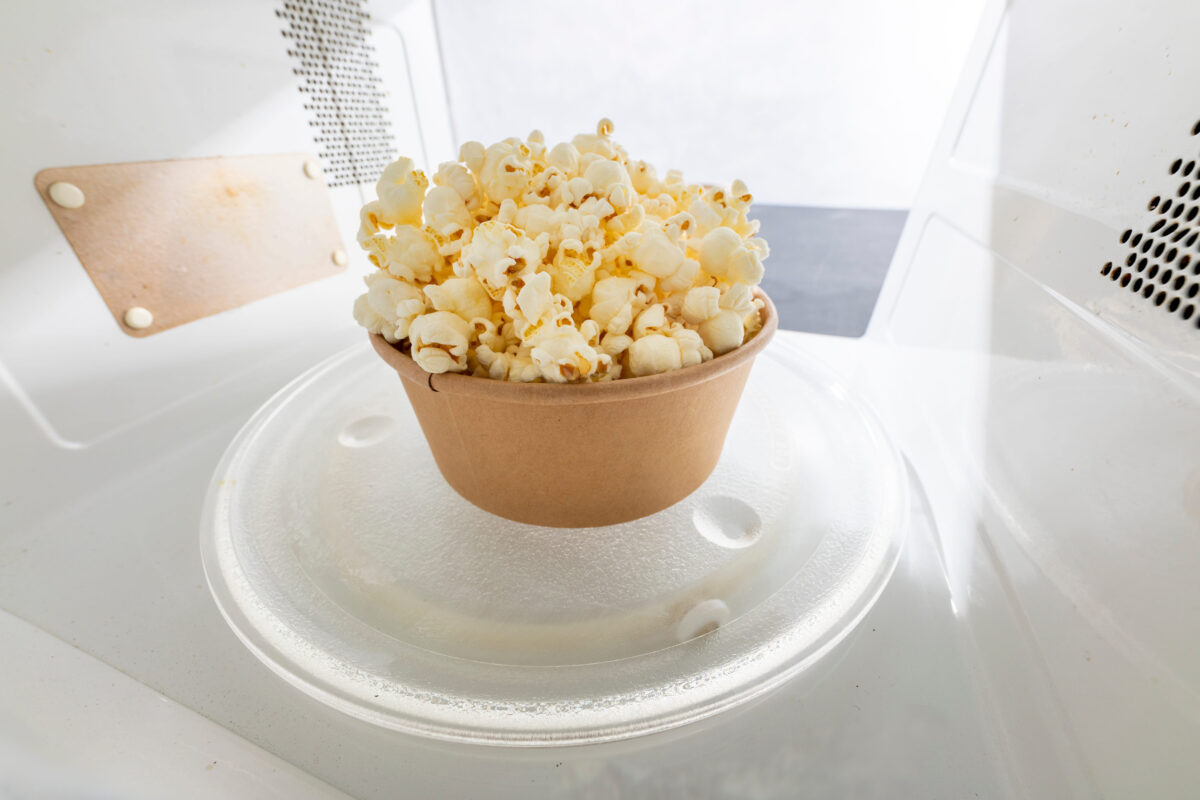
Microwave popcorn is easy, but popcorn kernels are one of the best cheap snacks in the store. A bag of kernels can make many batches for a fraction of the cost. We also control the salt, butter, oil, seasoning, and portion size.
Stovetop popcorn takes only a few minutes. Air poppers are another option for households that eat popcorn often. Once we stop buying the microwave bags, the savings become obvious.
Packaged Dips Often Spoil Before We Finish Them
Packaged dips look irresistible in the refrigerated section. Spinach dip, queso, buffalo chicken dip, hummus, guacamole, ranch dip, and layered dips all promise instant snacking. The problem is that many households open them once or twice and then forget about them until they expire.
Homemade dips can be cheaper and easier than expected. Greek yogurt, beans, salsa, avocado, cottage cheese, herbs, or sour cream can be turned into quick dips in minutes. Buying a packaged dip only makes sense when we have a clear plan to finish it.
Energy Drinks Are Costly When Bought One Can at a Time
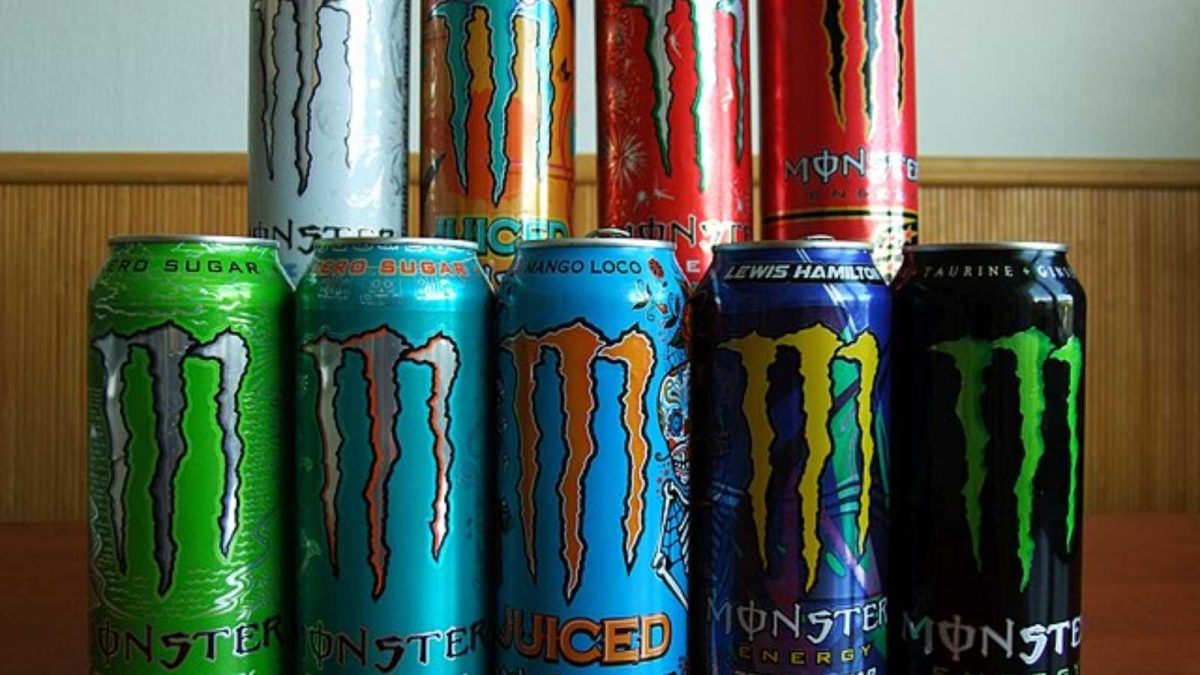
Single cans of energy drinks are priced at convenience stores and hidden inside grocery stores. They are especially expensive when bought cold near the checkout or in small quantities. If someone drinks them often, the monthly cost can become surprisingly high.
Bulk packs usually reduce the per-can price. Store brands can also be much cheaper than trendy labels. Better still, coffee, tea, or homemade iced drinks can handle the caffeine job for less.
Party Supplies Are Usually Cheaper Somewhere Else
Grocery stores sell balloons, candles, paper plates, plastic cups, napkins, banners, gift bags, and party favors because shoppers need last-minute solutions. That does not mean the prices are good. We pay for convenience because we are already there.
Dollar stores, warehouse clubs, craft stores, and online multipacks usually beat grocery prices. Planning party supplies even a few days ahead can save money. Grocery store party items should be emergency purchases, not the main plan.
Frozen Dinners Charge More for Smaller Portions
Frozen dinners are useful during busy weeks, but many are expensive for the amount of food inside. Some meals leave us hungry, so we add snacks or side dishes and end up spending even more. The convenience is real, but the value is often weak.
Batch cooking gives us better frozen meals. Chili, soup, pasta sauce, casseroles, burritos, rice bowls, meatballs, and cooked beans all freeze well. One cooking session can replace several overpriced frozen dinners.
Toilet Paper and Paper Towels Deserve a Unit Price Check

Paper products can crush a grocery budget because their packaging is confusing. Mega rolls, double rolls, family rolls, select-a-size sheets, and soft-versus-strong marketing make comparison difficult. Grocery stores may also charge more than warehouse clubs for the same household staples.
The best move is to compare cost per square foot or cost per 100 sheets when possible. Warehouse clubs often win for large households, but supermarket sales can be competitive with coupons. Without a deal, paper products are often better bought elsewhere.
Vitamins Can Be Overpriced in the Grocery Aisle
Grocery stores often place vitamins near pharmacy items, making them feel like a routine health purchase. The trouble is that prices can be high, especially for trendy gummies, specialty blends, and heavily marketed formulas. We can easily spend more than we need to.
Comparing prices at warehouse clubs, pharmacies, and reputable online retailers can save money. It is also smart to avoid buying random supplements just because the label sounds impressive. For health-related needs, choosing based on actual need beats chasing every bottle on the shelf.
Batteries Are a Classic Grocery Store Overpay
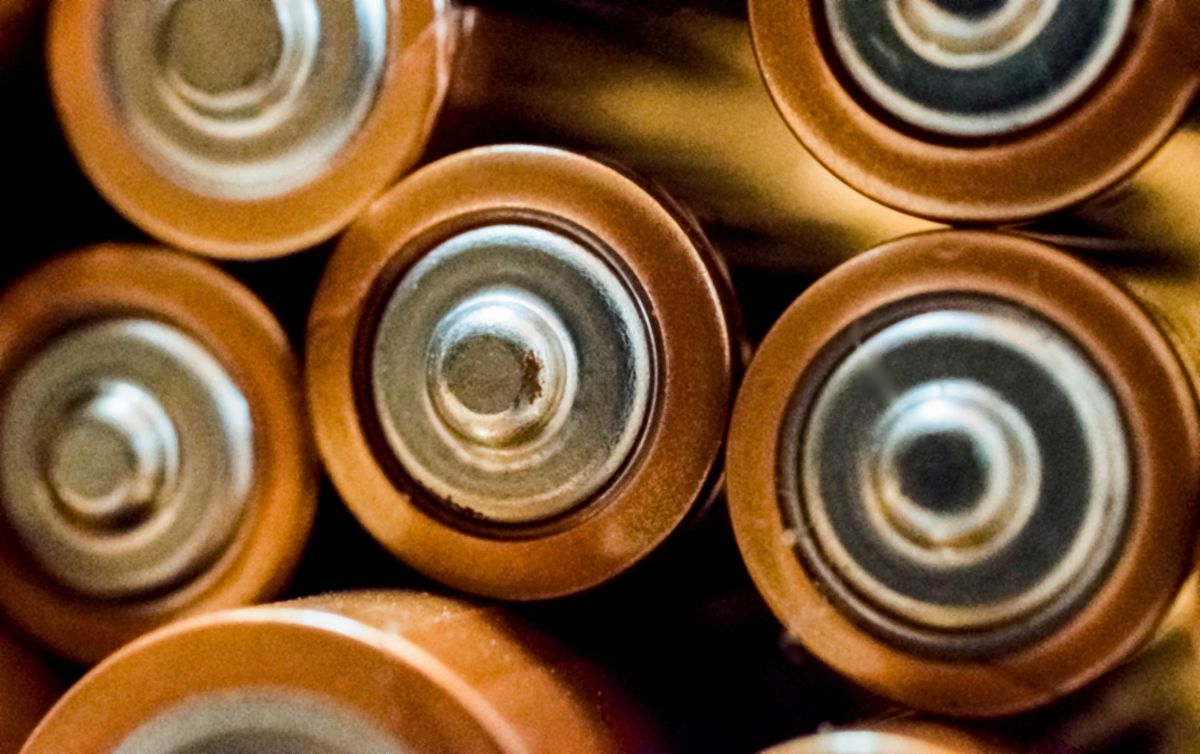
Batteries are easy to forget until the remote dies, the toy stops working, or the flashlight fails. Grocery stores know this, so batteries often sit near checkout lanes or household aisles at painful prices. Convenience is the whole business model.
Warehouse clubs, online bulk packs, and rechargeable batteries are usually better choices. Rechargeables cost more upfront but can save money for devices used often. Grocery batteries should be reserved for true emergencies.
Probiotic Sodas Are a Trendy Drink With a Premium Price
Probiotic sodas have exploded because they promise a fun middle ground between soda and wellness. The cans look modern, the flavors sound playful, and the price often reflects the trend. Buying them one at a time at the grocery store can make them feel more like a luxury drink than a casual beverage.
If we enjoy them, bulk packs or sales are the smarter route. Sparkling water with fruit, iced tea, kombucha, or homemade flavored seltzer can also satisfy the craving for a fizzy drink. Trendy beverages deserve a budget limit.
Prepared Meat and Marinated Proteins Often Hide a Labor Charge
Pre-seasoned chicken, marinated steak tips, stuffed pork chops, kebab trays, and ready-to-cook meat packs look like dinner solved. They also usually cost more per pound than plain meat. Sometimes the marinade adds water weight, sugar, sodium, and flavoring without adding much value.
Buying plain proteins and seasoning them at home is cheaper and more flexible. We can use garlic, lemon, herbs, soy sauce, mustard, vinegar, spices, or store-brand marinades. The result is often fresher, more customizable, and easier to stretch into multiple meals.
Conclusion
The biggest grocery-store money wasters are not always dramatic splurges. They are the quiet upgrades that turn simple food into premium convenience. Pre-cut produce, single-serve snacks, trendy drinks, brand-name pantry items, and household basics bought at the wrong store can drive up a grocery bill without improving meals.
We do not have to shop with fear or strip every joy from the cart. We just need to make convenience earn its place. When we buy whole foods, compare unit prices, choose store brands wisely, cook in batches, and save bulk purchases for the right stores, we protect the budget without turning grocery shopping into a punishment.