10 Worst Survival Situations Humans Have Faced
Human history is filled with stories of endurance and extreme challenges, where survival was a distant hope rather than a given. These situations pushed people to the brink of physical and mental collapse, forcing them to confront hunger, exposure, isolation, and even human desperation. From natural disasters to man-made catastrophes, the stories of those who faced unimaginable adversity provide insight into both the fragility and resilience of human life. Each scenario below highlights the conditions, choices, and outcomes that made survival a battle in its purest form, revealing the lengths humans will go to preserve life when all seems lost.
The following examples capture the most harrowing survival situations in recorded history. Each case demonstrates a unique set of circumstances that left survival hanging by a thread, combining environmental hazards, resource scarcity, and psychological strain. These accounts remind us how quickly ordinary life can transform into a fight against the elements, human error, or sheer misfortune. They also illustrate how people adapt, improvise, or succumb under extreme conditions, leaving legacies of caution, ingenuity, and, at times, tragedy.
Donner Party , Trapped by Snow in the Sierra Nevada

In the winter of 1846, the Donner Party, a group of American pioneers, faced one of the most infamous survival crises in U.S. history. Delayed by poor decisions and harsh conditions, the party became trapped in deep snow in the Sierra Nevada mountains. Supplies ran out, temperatures plummeted, and the pioneers faced starvation. In a grim testament to desperation, some resorted to cannibalism to survive. This ordeal revealed both the dangers of unprepared expeditions and the extreme measures humans can take when pushed to the limits of hunger and exposure. Survivors later recounted the trauma of watching friends perish in freezing conditions, and the ordeal remains a stark reminder of the power of nature over human ambition.
The Donner Party’s tragedy highlights the consequences of poor planning and overconfidence. The combination of an ill-advised route, late departure, and early winter storms created a perfect storm for disaster. Despite the group’s attempts to ration food and maintain morale, the snowbound conditions made conventional survival strategies impossible. Those who endured were forced to confront moral dilemmas while managing extreme physical suffering. The story underscores the importance of preparation, decision-making, and situational awareness in survival scenarios, and it continues to inform wilderness survival training today.
The Andes Flight Disaster
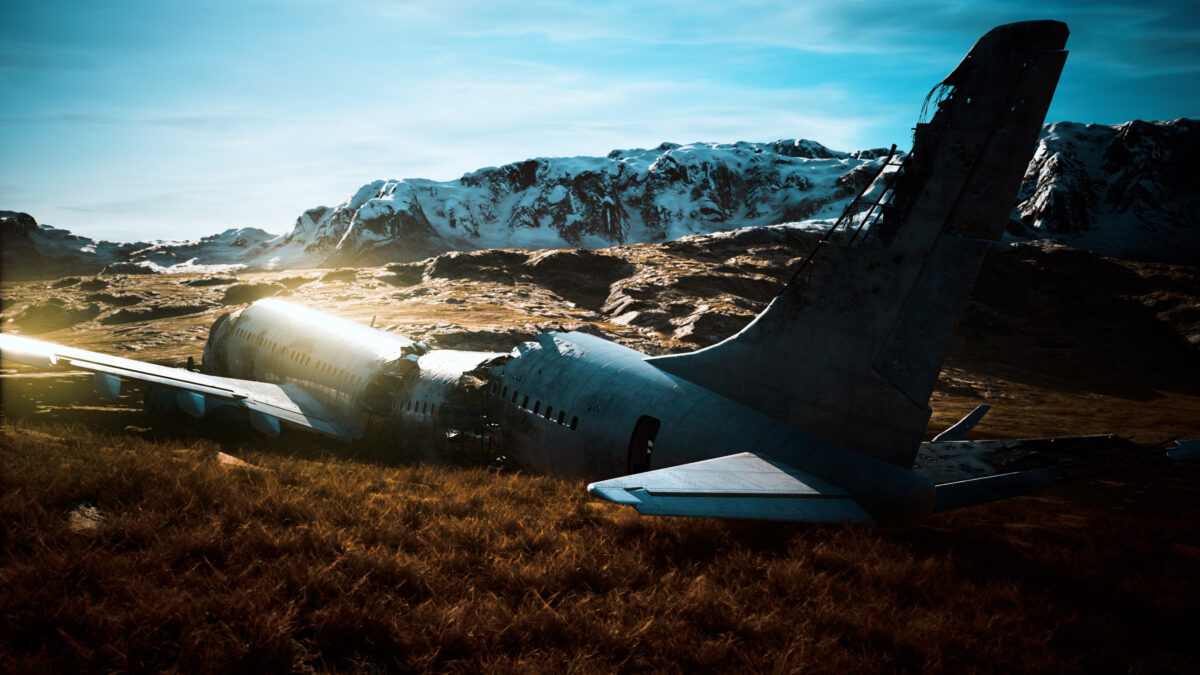
In 1972, Uruguayan Air Force Flight 571 crashed into the Andes mountains, leaving 33 survivors in freezing, high-altitude conditions. With limited food, freezing temperatures, and the wreckage isolated from rescue, the survivors faced an agonizing choice between starvation and survival. In an extreme act of necessity, some resorted to eating the bodies of deceased passengers. Their ordeal lasted 72 days, testing both physical endurance and psychological resilience. The incident became emblematic of human determination, illustrating how people adapt when traditional survival resources are absent. The eventual rescue highlighted courage, teamwork, and the sheer will to live in the face of overwhelming odds.
The Andes survivors demonstrated extraordinary problem-solving under pressure. They improvised shelters, rationed meager supplies, and organized expeditions to seek help. The extreme cold, high elevation, and food scarcity forced them to challenge both social norms and personal limits. This survival story remains one of the most studied examples of crisis management in isolated environments. It emphasizes that survival is as much a mental as a physical battle, requiring ingenuity, cohesion, and unwavering hope even when conventional assistance is unavailable.
Apollo 13 ,Spacecraft Life-or-Death Crisis
The Apollo 13 mission in 1970 faced near-catastrophe when an oxygen tank exploded on the spacecraft, leaving astronauts stranded millions of miles from Earth. With damaged systems and limited resources, the crew faced life-threatening challenges, including carbon dioxide buildup, cold, and a constrained energy supply. Engineers and astronauts collaborated intensively to improvise solutions, such as crafting a makeshift CO2 scrubber from available materials. The mission, initially intended for the Moon, transformed into a desperate struggle for survival. Against overwhelming odds, the crew returned safely to Earth, showcasing human ingenuity and calm under extreme pressure in an environment where errors are fatal.
Apollo 13 exemplifies survival in technologically hostile settings. Astronauts had to maintain life support, navigate without standard guidance, and make precise adjustments to conserve resources. Communication with mission control became a lifeline, demonstrating the importance of coordinated problem-solving. The success of their return underscores how preparation, training, and rapid adaptation can overcome nearly impossible odds. It also serves as a powerful reminder of the hazards of space exploration, where survival depends on both human ingenuity and precise engineering under intense stress.
The Franklin Expedition ,Arctic Ice Trap
The 1845 Franklin Expedition set out to chart the Northwest Passage in the Canadian Arctic but became trapped in sea ice. With ships immobilized and provisions limited, crew members faced freezing temperatures, scurvy, and starvation. Subsequent searches revealed evidence of extreme measures to survive, including cannibalism. Harsh Arctic conditions and isolation made rescue impossible, resulting in the death of the entire crew. This tragedy underscores the dangers of polar exploration and the lethal combination of environmental hostility, poor preparation, and overambitious planning. The Franklin Expedition remains a cautionary tale about human vulnerability in unforgiving landscapes.
This expedition demonstrates how quickly survival becomes untenable in extreme cold and isolation. The crew’s lack of understanding about Arctic conditions and inadequate supplies compounded their plight. Even experienced explorers were overwhelmed by ice-locked ships, starvation, and illness. The Franklin Expedition continues to inform modern polar missions, emphasizing the importance of contingency planning, risk assessment, and the limitations of human endurance when confronting environments beyond our experience.
1974 Chilean Mining Accident ,Buried Alive
In 1974, a catastrophic cave-in trapped miners deep underground in Chile. With no immediate access to the surface, survivors faced darkness, crushing confinement, and dwindling supplies. The miners endured extreme heat, poor ventilation, and psychological strain while awaiting rescue. Their survival depended on careful rationing, cooperation, and maintaining hope. Despite the seemingly impossible situation, rescue operations ultimately saved many, though some perished. This event highlights the dangers of subterranean work and demonstrates the human capacity to adapt to confined spaces under extreme stress.
The Chilean mining disaster illustrates how isolation and environmental hazards amplify risk. Survivors had to manage panic, dehydration, and the fear of collapse in confined spaces. Coordination among trapped individuals became essential for psychological stability and physical survival. The story underscores the importance of safety protocols, communication, and resilience in industrial settings where sudden catastrophes can transform work into life-or-death situations. Lessons from this event continue to inform mining safety standards worldwide.
Shackleton’s Endurance , Antarctic Shipwreck Survival
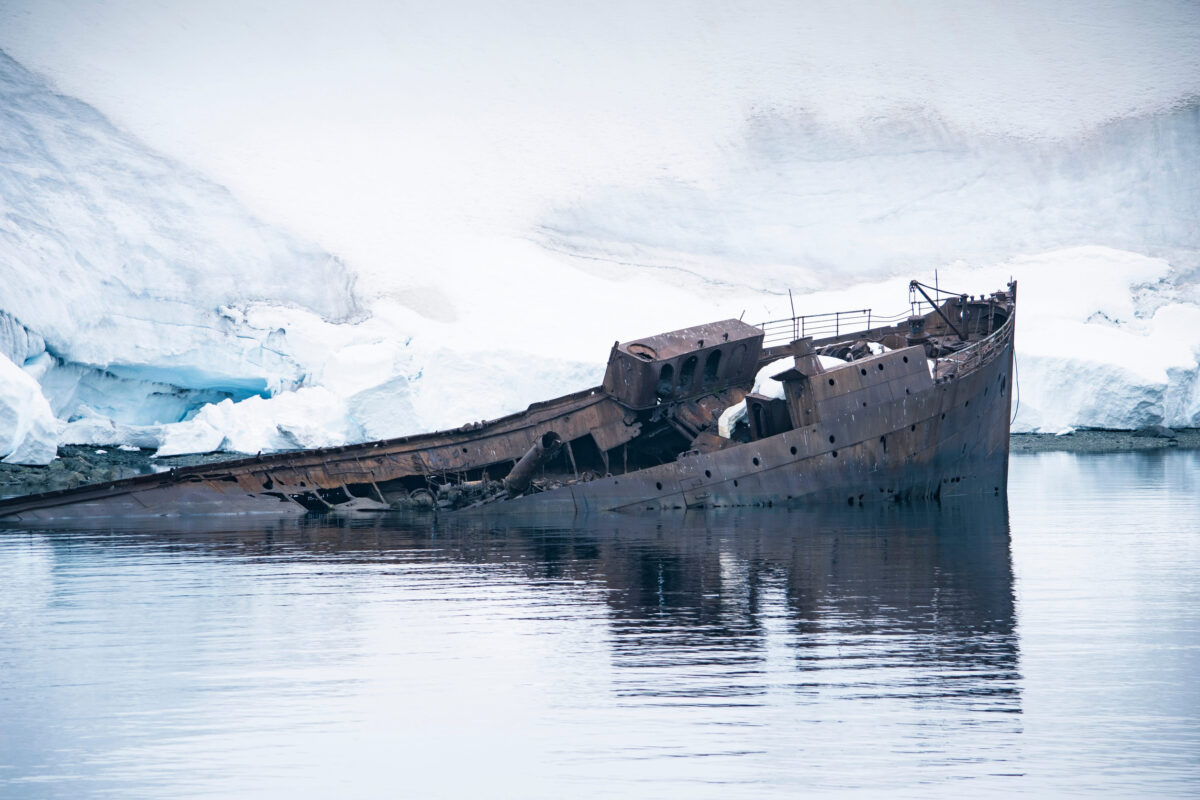
In 1914, Ernest Shackleton’s ship Endurance became trapped in Antarctic ice, leaving the crew stranded on floating icebergs. They survived weeks of freezing temperatures, shifting ice, and scarce provisions, ultimately embarking on an 800-mile open boat journey to reach safety. Shackleton’s leadership and careful planning ensured that all crew members survived despite seemingly insurmountable odds. Their ordeal remains one of the most remarkable survival stories in maritime history, demonstrating resilience, creativity, and the critical role of leadership in life-threatening conditions.
Shackleton’s expedition emphasizes the importance of preparation, discipline, and morale preservation in extreme conditions. The crew relied on resourcefulness, improvising shelters and rations as they navigated dangerous ice floes. Every decision carried life-or-death consequences, and Shackleton’s ability to maintain calm and inspire confidence proved decisive. This Antarctic survival narrative continues to serve as a blueprint for expedition planning and crisis management, demonstrating that endurance and teamwork can overcome hostile environments.
Mount Everest Avalanches , Climbers Stranded at Death Zones
Mount Everest has claimed numerous lives due to avalanches, storms, and the lethal combination of high altitude and low oxygen. Climbers caught in these events face frostbite, hypoxia, and extreme fatigue, often with limited access to rescue. Survival depends on rapid decision-making, experience, and sometimes sheer luck. Avalanches and sudden weather changes have trapped groups for days, turning expeditions into desperate fights against nature. These high-altitude crises reveal the razor-thin margin between success and fatality in extreme mountain environments.
Everest avalanches illustrate the unforgiving nature of high-altitude mountaineering. Climbers must navigate thin air, sub-zero temperatures, and treacherous terrain, where minor mistakes can be fatal. Limited communication and logistical challenges complicate rescue efforts, leaving individuals reliant on skill, judgment, and resilience. These disasters highlight the constant threat of natural forces and the need for rigorous preparation and risk assessment in extreme outdoor pursuits.
2003 Columbia Space Shuttle Disaster , Re-entry Catastrophe
The Space Shuttle Columbia disintegrated during re-entry in 2003, leaving astronauts without hope for survival. The event underscores the deadly stakes of space travel, where a single technical failure can result in catastrophe. Crew members faced no viable survival options once the shuttle was compromised, and the tragedy demonstrated the limits of human control in engineered environments. While no one survived, the incident provided critical lessons for shuttle safety, material science, and re-entry procedures, shaping future missions and space engineering standards.
The Columbia disaster reflects the inherent risks of operating in environments far beyond human experience. It illustrates how survival is not always possible despite expertise, preparation, and technology. The lessons drawn from this tragedy informed redesigns and procedural changes to reduce the probability of similar catastrophic failures, reinforcing the principle that extreme environments magnify small errors into life-or-death outcomes.
2010 Copiapó Mining Rescue , Buried for 69 Days
In 2010, 33 Chilean miners were trapped underground for 69 days following a collapse in the San José mine. The miners survived through ingenuity, rationing, and mutual support until rescue teams drilled through solid rock to reach them. Their ordeal tested patience, endurance, and the ability to endure extreme isolation and heat while maintaining mental and physical health. The world watched as engineering ingenuity combined with human resilience to bring all miners to safety, exemplifying a triumph of preparation, cooperation, and sheer will.
This modern survival scenario highlights the intersection of technology and human determination. While trapped, miners improvised food, water, and exercise routines to maintain health and morale. Their experience demonstrates how coordinated rescue efforts and the human instinct to survive can overcome seemingly impossible odds. The Copiapó rescue remains an iconic example of extreme endurance, resourcefulness, and collective perseverance under life-threatening conditions.
Conclusion
Survival is often a test of both body and mind, shaped by environmental hazards, human error, and the limits of endurance. The ten scenarios above illustrate a spectrum of extreme conditions, from freezing mountains and isolated deserts to confined mines and space.
Common themes emerge: preparation, leadership, ingenuity, and mental resilience can tip the balance between life and death. While the circumstances vary, each story reinforces the extraordinary lengths humans go to in order to preserve life. These accounts serve as both cautionary tales and inspirational examples of perseverance, proving that even in the most dire circumstances, human ingenuity and determination can prevail.