Trump Slams Mamdani and NYC Luxury Home Tax as Rhetoric Draws Islamophobia Criticism
President Donald Trump has launched a fresh attack against New York City Mayor Zohran Mamdani over his proposed luxury property tax and congestion pricing policies, while also facing criticism over his comments about the Muslim American mayor and other progressive politicians. The dispute highlights a growing national battle over taxes, urban policy, and political rhetoric. Trump criticized Mamdani’s “pied-à-terre” luxury property tax proposal in a post on Truth Social, arguing that the policy would damage New York City’s economy and discourage wealthy residents from investing in the city.
The president also questioned whether the federal government could take action against the city’s policies, describing them as harmful to New York’s future. “Financial, and then Social, RUIN, is a 100% certainty,” Trump wrote, adding that progressive leaders were pushing policies that would hurt residents and businesses. The comments quickly drew attention because they came alongside Trump’s repeated criticism of Muslim American politicians, including Mamdani and other Democratic figures.
Trump Challenges Mamdani’s Tax Proposal and NYC Policies

At the center of the dispute is Mamdani’s proposed tax on certain high-value non-primary residences, commonly known as a pied-à-terre tax. Supporters of the proposal argue that wealthy property owners who maintain second homes in New York should contribute more toward city services, especially during a period of housing affordability concerns. Critics argue that additional taxes on luxury property owners could discourage investment, reduce economic activity, and encourage wealthy residents to leave the city.
Trump has taken the second position, warning that the policy could damage New York’s financial future. He also criticized congestion pricing, a program designed to charge vehicles entering parts of Manhattan while generating revenue for public transportation improvements. Trump argued that the combination of higher taxes and transportation fees would place additional pressure on residents and businesses.
Mamdani Becomes a National Political Target
Although Mamdani’s policies focus on New York City issues, the mayor has increasingly become part of a national political debate. His progressive platform, including proposals involving housing, taxes, and public services, has made him a frequent target among conservative leaders.
Trump has described Mamdani and other progressive Democrats as part of the “radical left,” while supporters of Mamdani argue that his policies are focused on addressing inequality and affordability challenges. The disagreement reflects a wider divide in American politics over the role of government, taxation, and how cities should respond to rising living costs.
Criticism Over Trump’s Comments About Muslim Politicians
Trump’s remarks also renewed debate over his language toward Muslim American elected officials. Critics argue that some of Trump’s statements about Muslim politicians contribute to harmful stereotypes and increase hostility toward elected officials from minority communities. The Council on American-Islamic Relations (CAIR) has previously criticized rhetoric targeting Muslim public figures, warning that portraying Muslim officials as threats can increase risks for those individuals.
Supporters of Trump argue that his criticism is focused on political ideology and policy disagreements rather than religion. The controversy has become part of a broader national conversation about political speech, identity, and how public officials are criticized.
The Debate Over Progressive Policies Expands Beyond New York
The fight between Trump and Mamdani reflects larger disagreements between conservative and progressive movements across the country. Progressive leaders often argue that wealthy individuals and corporations should contribute more through taxation to fund public services, housing programs, and infrastructure.
Conservative opponents argue that higher taxes can reduce economic growth and push businesses and wealthy taxpayers to relocate. New York City has long faced this debate because of its large financial sector, high property values, and dependence on wealthy taxpayers. The question facing policymakers is how to generate revenue while maintaining the city’s competitiveness.
Trump’s Attacks Come During a Broader Political Battle
The dispute comes as both parties prepare for future elections and attempt to define their political opponents. Republicans have increasingly focused on portraying progressive Democrats as too extreme, while Democrats argue that conservative leaders are attacking policies designed to help working families.
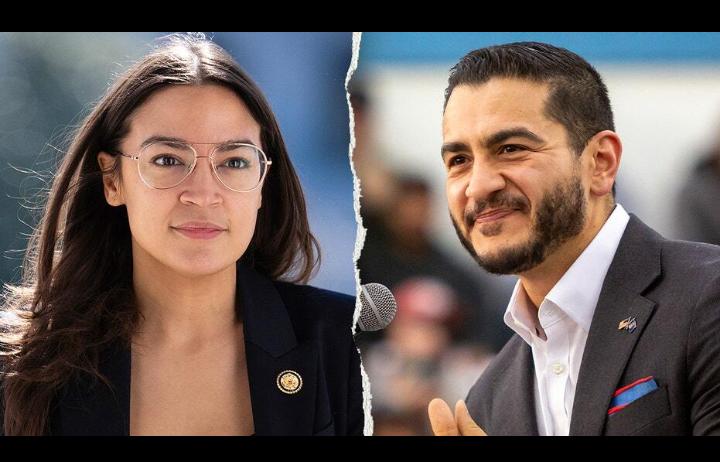
Trump has used similar arguments in attacks against other Democratic politicians, including Muslim American leaders such as Rep. Ilhan Omar and Michigan Senate candidate Abdul El-Sayed. Those exchanges have intensified debates about political strategy and campaign messaging.
Mamdani’s Supporters Defend His Approach
Supporters of Mamdani argue that his policies are designed to address problems facing ordinary New Yorkers, including housing costs and affordability challenges. They say asking wealthy property owners to contribute more is a way to fund public needs without placing additional burdens on lower-income residents.
Opponents, however, argue that targeting wealthy residents could have unintended consequences if high earners decide to move elsewhere. The disagreement represents a longstanding question in major cities: how much should governments rely on wealthy taxpayers while trying to create more affordable communities?
New York’s Economic Future Remains at the Center of the Debate
New York’s economy depends heavily on financial services, tourism, real estate, and high-income residents. Supporters of lower taxes argue that maintaining a competitive environment is essential for attracting investment and jobs.
Those supporting higher taxes argue that the city’s wealth should help address problems such as housing shortages, transportation needs, and public services. The conflict between Trump and Mamdani places that debate on a national stage. While the two leaders represent very different political visions, both are focused on the future of America’s largest city and the direction it should take.
A Growing Clash Over Taxes, Identity, and Politics
Trump’s criticism of Mamdani’s luxury tax proposal is about more than one policy. It reflects a broader political divide over taxation, government responsibility, and the future of American cities.
The controversy surrounding Trump’s comments about Muslim politicians adds another layer to the debate, raising questions about how political disagreements are expressed in an increasingly polarized environment. As New York continues to debate its economic future, the clash between Trump and Mamdani shows how local policies can quickly become national political battles.