8 Ways The Food You Eat Can Help You Sleep Better
You dim the lights, put down your phone and climb into bed at a reasonable hour. Then your head hits the pillow and sleep refuses to arrive.
The problem may have started long before bedtime. What you eat, how much you eat and when you eat can influence how comfortably you settle down at night. A late coffee may keep the brain alert. A heavy dinner can leave the digestive system working overtime. Alcohol may make you drowsy at first, only to disturb your sleep later.
Food is not a cure for insomnia, and no single snack can guarantee eight peaceful hours. Still, research suggests that an overall healthy eating pattern, sensible meal timing and a few carefully chosen foods may support better sleep. The secret is less about finding one magical ingredient and more about creating conditions that allow the body to wind down naturally.
Start With Your Overall Diet
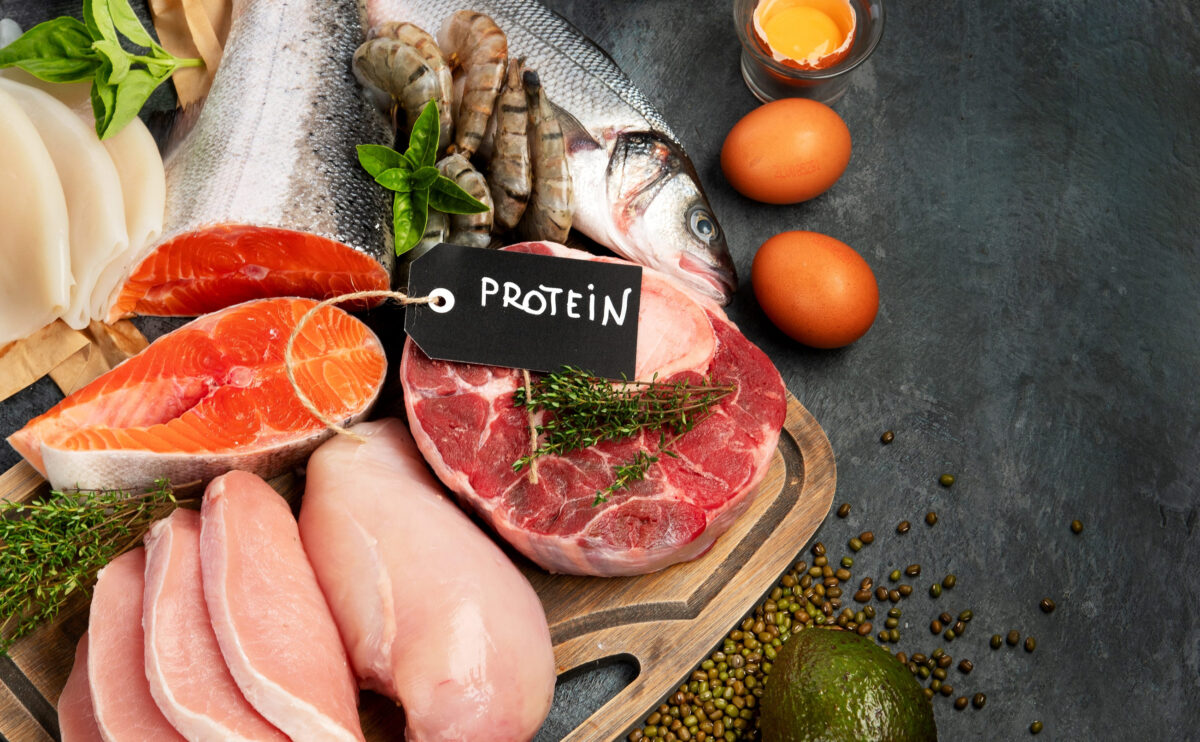
The internet loves miracle foods. Eat two kiwis, drink cherry juice or swallow a spoonful of something trendy, and supposedly you will sleep like a child. The actual science is less dramatic but more useful.
A systematic review of 29 studies found that healthier diets were generally associated with better sleep quality, while less nutritious eating patterns were linked to poorer sleep. However, many of these studies were observational, so they cannot prove that diet alone caused the difference. Sleep can also affect food choices, creating a two-way relationship: eating habits may influence sleep, and exhaustion may push people toward more convenient, highly processed foods.
The strongest approach is to look beyond the bedtime snack. Diets rich in vegetables, fruit, whole grains, legumes, nuts, fish, and other nutrient-dense foods appear more promising than diets built around heavily processed meals and sugary treats.
Build Meals Around a Mediterranean Pattern
One of the most consistently studied approaches is the Mediterranean-style diet. It emphasizes vegetables, fruits, beans, whole grains, nuts, olive oil and fish, while generally limiting highly processed foods.
A 2024 systematic review examined 23 reports and found that greater adherence to the Mediterranean diet was commonly associated with better sleep quality, more appropriate sleep duration, less daytime sleepiness, and fewer insomnia symptoms. The researchers also made an important distinction: the evidence showed an association, not definite proof that the diet itself improved sleep.
You do not need to recreate a seaside Greek dinner every night. Practical meals could include grilled fish with vegetables and brown rice, lentil stew with whole-grain bread, or beans, greens, and roasted sweet potatoes. The goal is balance and consistency, not culinary perfection.
Give Tryptophan a Supporting Role
Tryptophan often comes up in sleep conversations because the body uses this amino acid in processes that produce serotonin and melatonin. Those chemical messengers help regulate mood and the sleep-wake cycle.
Foods containing tryptophan include eggs, milk, yogurt, poultry, fish, soy foods, nuts, and seeds. But eating turkey at dinner does not deliver an instant chemical sleeping pill. Tryptophan must compete with other amino acids to enter the brain, and the relationship between a single food and that night’s sleep is complicated.
A more realistic strategy is to combine a moderate source of protein with a complex carbohydrate. A small bowl of oatmeal with milk, whole-grain toast with nut butter, or yogurt with fruit may be more comfortable than either going to bed very hungry or eating a massive late-night meal.
Consider Kiwifruit
Kiwifruit has attracted attention as a possible sleep-friendly food. In a small 2011 study, 24 adults with self-reported sleep problems ate two kiwis one hour before bedtime for four weeks. Researchers reported improvements in several measures, including sleep time and efficiency.
That sounds encouraging, but it was a small study without the kind of large, tightly controlled design needed to establish a treatment. Two kiwis should not be presented as a cure for insomnia.
Still, they offer a simple experiment for someone who already enjoys the fruit. If a light evening snack fits your routine, kiwifruit may be worth trying. Think of it as one small habit not a prescription.
Tart Cherry Juice Shows Promise, but the Evidence Is Early
Tart cherries naturally contain melatonin and other plant compounds, making their juice another popular candidate in sleep research.
One particularly small pilot study included eight adults with insomnia who completed the trial. Participants improved sleep time and sleep efficiency after drinking tart cherry juice, but the tiny sample means the results should be interpreted cautiously. An earlier pilot study involving older adults also found only modest benefits.
Tart cherry juice may help some people, but it is not a substitute for medical care or healthy sleep habits. It can also add considerable sugar and calories, depending on the product and serving size. Check the label instead of assuming every cherry-flavored drink matches the products used in research.
Move Dinner Away From Bedtime
Sometimes the best sleep-supporting food decision is simply eating earlier.
A large, rich meal shortly before lying down can leave you feeling uncomfortably full. For people prone to heartburn or reflux, the timing and contents of dinner may be especially noticeable. Instead of making supper the last event before bed, give your body some breathing room.
The National Heart, Lung, and Blood Institute advises avoiding heavy or large meals close to bedtime. That does not mean everyone must go to bed hungry. If dinner was early and hunger is keeping you awake, choose a modest snack instead of a second full meal.
Put a Curfew on Caffeine
Coffee is not necessarily the enemy of sleep. Timing is the real troublemaker.
Caffeine blocks adenosine, a chemical whose buildup contributes to sleepiness. Its effects can linger much longer than many people expect. According to an FDA review, caffeine’s average half-life in healthy adults generally ranges from two to six hours and may reach 12 hours in some individuals. That means part of an afternoon coffee could still be circulating at bedtime.
Sensitivity varies, so a universal cutoff is difficult to prescribe. If you regularly struggle to fall asleep, try moving your final coffee, energy drink, or caffeinated tea earlier in the day. Remember that chocolate, some sodas, pre-workout products and certain medications may also contain caffeine.
Do Not Mistake Alcohol for a Sleep Aid
A nightcap can feel relaxing because alcohol may make you sleepy. That first wave of drowsiness, however, can be misleading.
The National Heart, Lung, and Blood Institute warns that alcohol close to bedtime may produce lighter sleep and make nighttime awakenings more likely. In other words, falling asleep faster does not necessarily mean sleeping well.
Alcohol may also create a frustrating cycle: poor sleep leads to more caffeine the next day, followed by another drink to wind down at night. Breaking that pattern may do more for sleep than buying an expensive “sleep food.”
Use Food as Part of a Bigger Routine
Nutrition works best when it supports a reliable sleep schedule. The Centers for Disease Control and Prevention says adults ages 18 to 60 generally need at least seven hours of sleep, while older adults’ needs differ somewhat. Quality matters too: repeatedly waking or feeling tired despite getting enough sleep can signal a problem.
A balanced dinner, an earlier caffeine cutoff and a light snack when truly hungry can all help. But they work alongside a dark, quiet room, regular bedtimes, daytime activity and less bright light at night.
Persistent insomnia, loud snoring, gasping during sleep or severe daytime sleepiness deserve professional attention. Food can support restful nights, but it cannot diagnose or treat an underlying sleep disorder.