
11 Popular Lunches From Around The World Worth Trying
Lunch may be a quick sandwich in one country, a carefully packed box in another, or a generous platter designed for sharing.
Around the world, the midday meal reflects local ingredients, working routines, family traditions, and generations of culinary creativity. Some dishes are portable enough for a busy commute. Others invite diners to slow down and turn lunch into the main event.
From Vietnam’s crisp bánh mì to Brazil’s slow-cooked feijoada, these popular lunches show how much flavor can fit into the middle of an ordinary day.
Bento
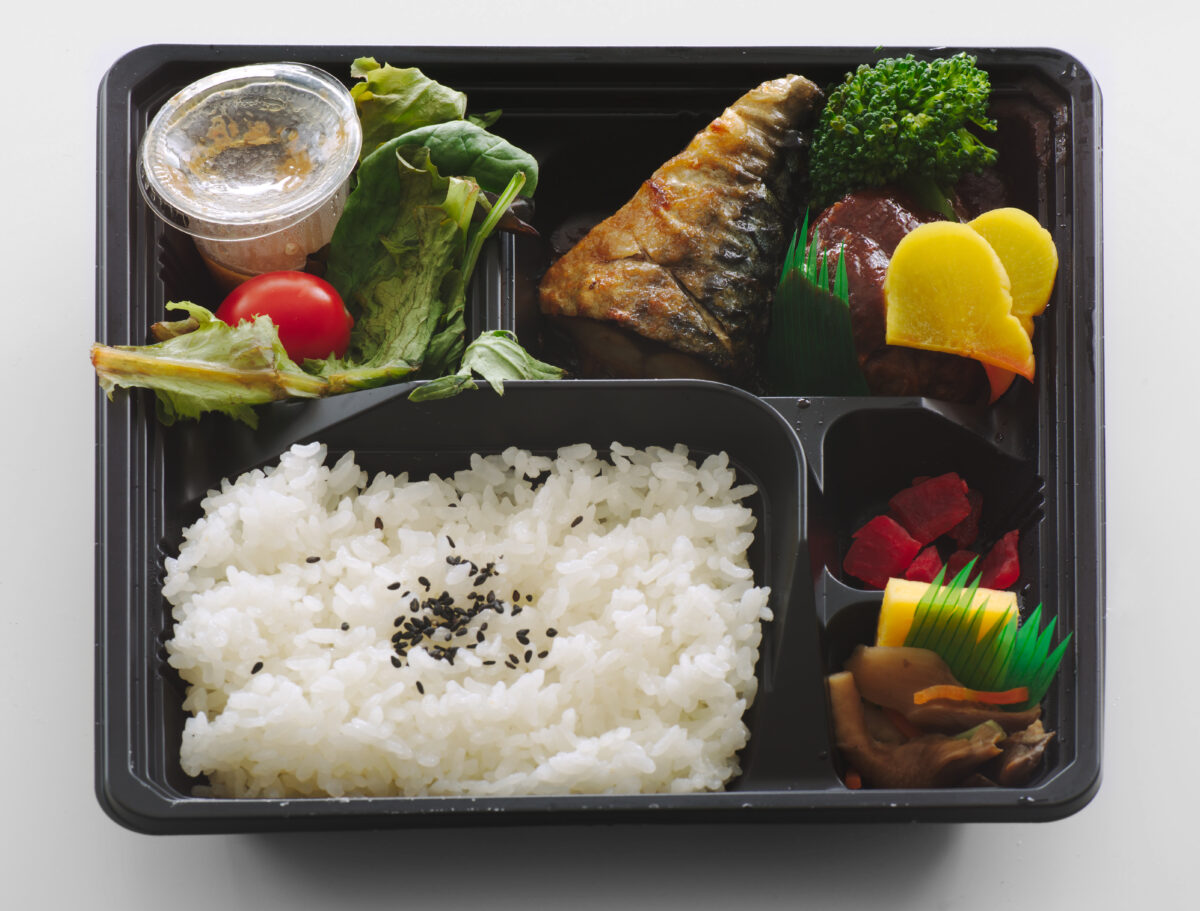
A Japanese bento turns a packed lunch into an organized collection of flavors and textures. Rice usually anchors the box, accompanied by grilled fish, chicken, egg, pickles, or vegetables. The contents vary by season, region, and occasion.
Bento boxes are widely sold at supermarkets, convenience stores, specialty shops, and train stations. Railway versions, called ekiben, often showcase local ingredients or regional dishes. Bento is a major part of everyday Japanese life and a convenient option for travelers. It is lunch designed to be practical without feeling careless.
Tacos
Tacos prove that a simple format can hold an almost endless variety of meals. A corn or flour tortilla may carry grilled beef, slow-cooked pork, seafood, beans, vegetables, or stewed fillings. Onion, cilantro, salsa, lime, and other toppings finish the job.
Their compact size makes tacos convenient for a quick lunch, but eating them can also become a social occasion as diners order several varieties from a taqueria or market stall. Recipes and fillings change from one Mexican region to another, which means “having tacos for lunch” could describe dozens of completely different experiences.
Thali
For diners who dislike choosing only one dish, the Indian thali offers an appealing solution. The meal presents several small preparations on one large plate or tray. Rice or flatbread may be joined by dal, vegetables, curry, yogurt, chutney, pickles, and occasionally something sweet.
There is no single universal thali. The selection reflects the region, the restaurant, and whether the meal is vegetarian or includes meat. That variety is precisely the attraction. Sweet, sour, spicy, creamy, and savory elements can all appear in one sitting, turning an ordinary lunch into a tour of contrasting flavors.
Bánh mì
Bánh mì is built for people who want lunch quickly but refuse to settle for something dull. The sandwich begins with a light baguette that is crisp outside and airy within. Common fillings include pork, Vietnamese cold cuts, pâté, cucumber, cilantro, mayonnaise, and tangy pickled vegetables.
Variations filled with eggs, chicken, tofu, or regional specialties are also common. Vietnam’s official tourism website notes that a classic version combines pork with pickled carrots and daikon, fresh herbs, cucumber, and mayonnaise or pâté. That contrast between crunchy bread, rich filling, fresh herbs, and sharp pickles helps it travel so well beyond Vietnam.
Bibimbap
Bibimbap looks impressive when it arrives, but the point is to mix everything. Warm rice is topped with individually prepared vegetables, meat, egg, and gochujang, a fermented red pepper paste. Sesame oil often adds a rich, nutty aroma.
The combination can change with the season or the cook. Toppings may include spinach, bracken, bellflower root, and stir-fried meat. Dolsot bibimbap arrives in a hot stone bowl that keeps the food warm and helps create a crisp layer of rice at the bottom.
Croque-monsieur
The croque-monsieur is what happens when a ham-and-cheese sandwich receives proper café treatment. Bread, ham, and cheese are assembled and toasted until the outside crisps and the cheese melts. Some versions add béchamel sauce for an even richer finish.
It is satisfying enough for lunch yet straightforward enough to serve quickly in a café or bistro. Add a fried egg and the sandwich becomes a croque-madame. France’s official tourism site identifies the croque-monsieur as a classic, and its enduring appeal is easy to understand. Few lunches make toasted bread and melted cheese feel quite so polished.
Tortilla española
Despite its name, tortilla española is not a flatbread. It is a thick omelet made primarily with eggs, potatoes, and olive oil. Onion may be included, although that particular choice has inspired a famously persistent debate.
You can eat the tortilla warm, at room temperature, as a full meal, or cut into smaller portions. Bars commonly serve it as a pincho, sometimes with bread. Spain’s official tourism portal calls tortilla de patatas one of the country’s most popular tapas and confirms its traditional foundation. Its simple ingredient list hides a remarkably comforting lunch.
Couscous
Couscous is more than a pile of tiny grains. Traditionally, the durum wheat granules are steamed until light and fluffy, then served with vegetables, broth, chickpeas, meat, or a combination of accompaniments.
Preparations differ across Morocco, Algeria, Tunisia, and Mauritania, with every region and household bringing its own methods. UNESCO added the knowledge and practices surrounding couscous to its Representative List of the Intangible Cultural Heritage of Humanity. It can be an everyday lunch, but its communal preparation also gives it an important place at family gatherings and celebrations.
Feijoada
Brazilian lunch can be a leisurely affair, and feijoada deserves time. This deeply flavored stew brings black beans together with pork and, in some recipes, beef. Rice, greens, orange slices, and toasted cassava flour commonly accompany it.
Because the stew is substantial, feijoada is best enjoyed as a relaxed meal shared around a table rather than a hurried desk lunch. Restaurants may feature it on particular days of the week. Each supporting side serves a purpose, from the plain rice that catches the sauce to the fresh orange that contrasts with the rich beans and meat.
Bunny chow
Bunny chow contains neither rabbit nor anything especially delicate. This Durban favorite consists of a hollowed-out portion of white bread filled generously with curry. The removed piece of bread sits on top and is used to scoop up the filling.
Beans, chicken, or mutton may provide the heart of the curry. As the meal sits, the bread absorbs the spiced gravy, making the container part of the lunch itself. Born in Durban’s Indian South African community, bunny chow turned curry and bread into filling, portable street food. It remains gloriously messy, deeply comforting, and best approached without formal table manners.
Falafel wrap
A falafel wrap turns crisp fried chickpea or fava bean patties into a convenient handheld lunch. Tuck the falafel into pita or another flatbread with vegetables, herbs, pickles, tahini sauce, or hummus.
The result works because every layer brings something different. The falafel’s exterior is crunchy, its center is tender, the vegetables add freshness, and the sauce ties everything together. Falafel may also be served as part of a platter or mezze spread, but the wrapped version is particularly suited to lunch on the move.
These dishes may come from different culinary traditions, but they share one irresistible idea: lunch should be convenient without surrendering character, comfort, or flavor.


