When School Lunches Disappear: The American Families Faces a Food Crisis During Holidays
For many American children, the last school bell means weeks of freedom from homework, classrooms, and early mornings. But for families who are struggling financially, school holidays raise a different worry: How will we replace the meals our children usually get at school?
When schools close, many children lose the breakfasts, lunches, and snacks they get from school meal programs. For families already dealing with high grocery bills, rising rent, unstable jobs, or low income, the holiday break can put even more pressure on their finances.
This issue, often called “holiday hunger,” is not just about kids being out of school. It’s about what happens when a key source of daily food support suddenly goes away. School meals are a vital safety net for many families. When that help stops, families who are already struggling have to take on the extra burden.
Millions of American households are facing food insecurity

Food insecurity is a problem for families all over the United States, including those with children. Research shows that in 2024, 18.4% of U.S. households with children, about 6.7 million families, experienced food insecurity. In some of these homes, both adults and children had trouble getting enough to eat. Food insecurity does not always mean a family has no food at all.
It can mean parents worry about running out of groceries, buy cheaper but less healthy foods, cut back on meal variety, or struggle to provide enough food because money is tight. For families living paycheck to paycheck, school holidays can make daily struggles even harder. During the school year, parents know their kids will get meals at school. But during holidays, they have to provide every meal at home.
The hidden cost of children staying home
For many parents, school holidays are about more than just having the kids at home. They also mean more breakfasts to prepare. There are also more lunches, more snacks, and more pressure on the grocery budget. Families who rely on school meals now have to pay for those meals themselves.
Research shows Studies show that food insecurity is closely linked to financial stress. Low wages, unstable jobs, unemployment, high housing costs, transportation expenses, and rising food prices all make it harder for families to afford enough healthy food. For some parents, this leads to tough choices. They buy cheaper foods, delay paying bills, borrow money, reduce their own meals, or turn to food assistance programs. These decisions often happen quietly inside homes, hidden from neighbors and communities.
Summer meal programs help, but many children remain unreached
The United States has programs to help children when school is out. Summer meal programs offer food at schools, community centers, libraries, and other approved places. Still, far fewer kids take part in these programs compared to the school year. In July 2024, about 3.2 million children got summer lunches each day, but that’s only 16 out of every 100 who received free or reduced-price lunch during the 2023–24 school year.
These numbers show a big problem: many children who get meal help during the school year do not get the same support during holidays. This does not mean every child who misses a summer meal program goes hungry. Some families get help from relatives, food banks, community groups, or other government programs. But for many, getting support is not always easy.
Why some families cannot reach available help

Even when holiday food programs are available, families can face obstacles. Some parents do not know where the programs are. Others have trouble with transportation, especially in rural areas where the nearest meal site is far away. Work schedules can also make it hard for parents to bring their children to meal locations.
Research highlights several barriers. Studies point out several barriers, like transportation problems, limited hours, lack of awareness, and worries about stigma. A meal program might be available in a community, but that does not always mean every family who needs it can use it.
One major effort to address summer hunger is Summer EBT, also called SUN Bucks. This program gives grocery benefits to eligible families so parents can buy food during school breaks. For summer 2025, most states set the benefit at $120 for each eligible child.EBT gives families flexibility because parents can buy groceries based on their household needs. However, challenges remain, including ensuring eligible families enroll, making sure families understand how the program works, and determining whether the assistance is enough to cover the full holiday period.
The impact on children goes beyond hunger
The effects of food insecurity go beyond just having enough to eat. Children who do not have steady access to healthy food may have trouble focusing, staying energized, and learning. The World Food Program has reported that hunger affects children’s ability to concentrate and learn, showing the link between nutrition and education.
For families, the emotional toll can also be heavy. Parents may feel stress and worry as they try to plan meals, manage money, and shield their children from how hard things have become. The holiday season, which should be a time for rest and family, can turn into a time of uncertainty.
Communities step in to support families
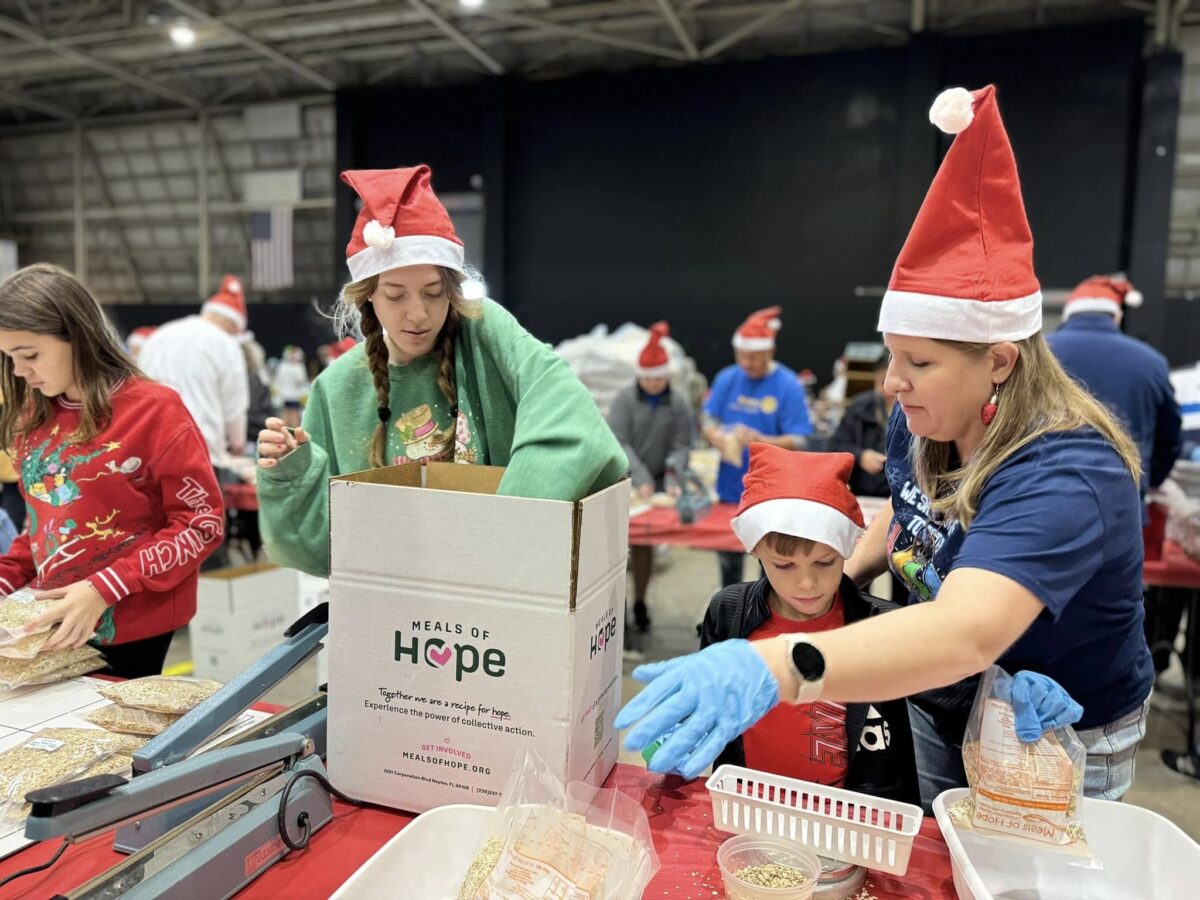
All over America, communities are stepping up to help. Food banks, nonprofits, schools, and local groups offer meal programs, food distributions, and support services. These organizations are often the first place families go when they cannot afford basic needs. But experts say that emergency food help alone cannot fix the deeper problems behind food insecurity. Long-term solutions mean tackling the economic issues that put families at risk in the first place. Turns every school break
School meals are an important support for children around the world. The World Food Program reported that government-run school meal programs reached at least 466 million children globally, showing how important these programs are for child nutrition. But the question remains:
What happens when schools close? For many American families, the holiday break is more than just time away from school. It is a time when family budgets are stretched, parents have to make tough choices, and children lose a meal they could count on. The school bell may stop ringing for the summer. But for struggling families, the challenge of putting food on the table does not end. Behind every empty lunch tray is a bigger story—one about rising costs, financial stress, and families doing their best to get by until school starts again.