Canadian Foods and Drinks at Risk of Disappearing From US Shelves: What the Evidence Really Shows
A recent claim that “some of your favorite Canadian foods and drinks may soon disappear from US shelves” has caught the attention of people who like Canadian products. But the real situation is more complex than the headline makes it seem.
The claim is partly true but overstated. A real US trade action will affect some Canadian imports, mainly certain alcoholic drinks and a few food products. Still, there is no sign that Canadian groceries in general, like maple syrup, snacks, frozen foods, beef, chocolate, or canola oil, are about to disappear from US stores. This is not about a food shortage, a farming crisis, or a supply chain breakdown. The real cause is an ongoing trade dispute between the US and Canada.
What Is Actually Changing?
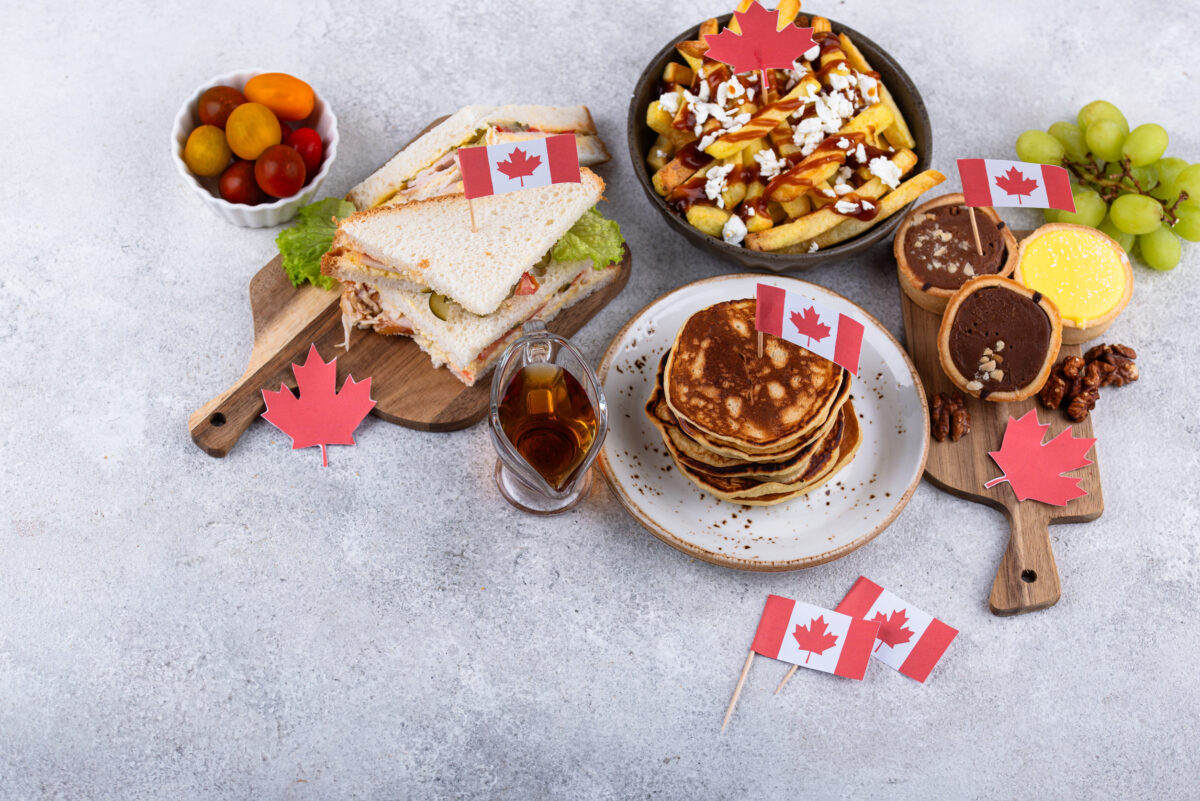
The main change is new US import rules for certain Canadian products. Starting September 29, 2026, some Canadian alcoholic drinks and a small group of food products will face limits on entering the US. The affected products include Canadian-made beer, wine, cider, whisky, rum, gin, vodka, brandy, other specific spirits, some non-alcoholic beers, certain whey and whey-related products, and some molasses products.
These rules apply to specific customs categories, not every product with a Canadian link. The official actions do not name any banned consumer brands. This is important because just being a “Canadian” brand does not mean a product will disappear. Whether a product is affected depends on where it is made, how it is packaged, and how it is classified for import.
Will Popular Canadian Brands Disappear?
Many people are most worried about whether familiar Canadian brands will suddenly vanish from stores. The answer is unclear because the rules target product types, not specific companies. Some Canadian alcoholic brands could have problems if they depend on shipping finished bottles or cans straight from Canada. Smaller breweries, wineries, and craft producers may be hit harder because they usually do not have other ways to make their products in the US.
Larger brands may be able to avoid some of the impact. Some Canadian brands already make or bottle their products in the US. For example, Labatt USA brews in Buffalo and Rochester, New York, so a Canadian brand name does not always mean the product comes from Canada. The same goes for major whisky brands. A Canadian whisky label might stay on shelves if the company uses other supply routes, ships in bulk, or bottles in the US. What happens depends on how customs officials classify each product.
What Products Are Not Affected?
Even though the headline sounds worrying, many well-known Canadian food products are not part of the new restrictions.
Maple Syrup
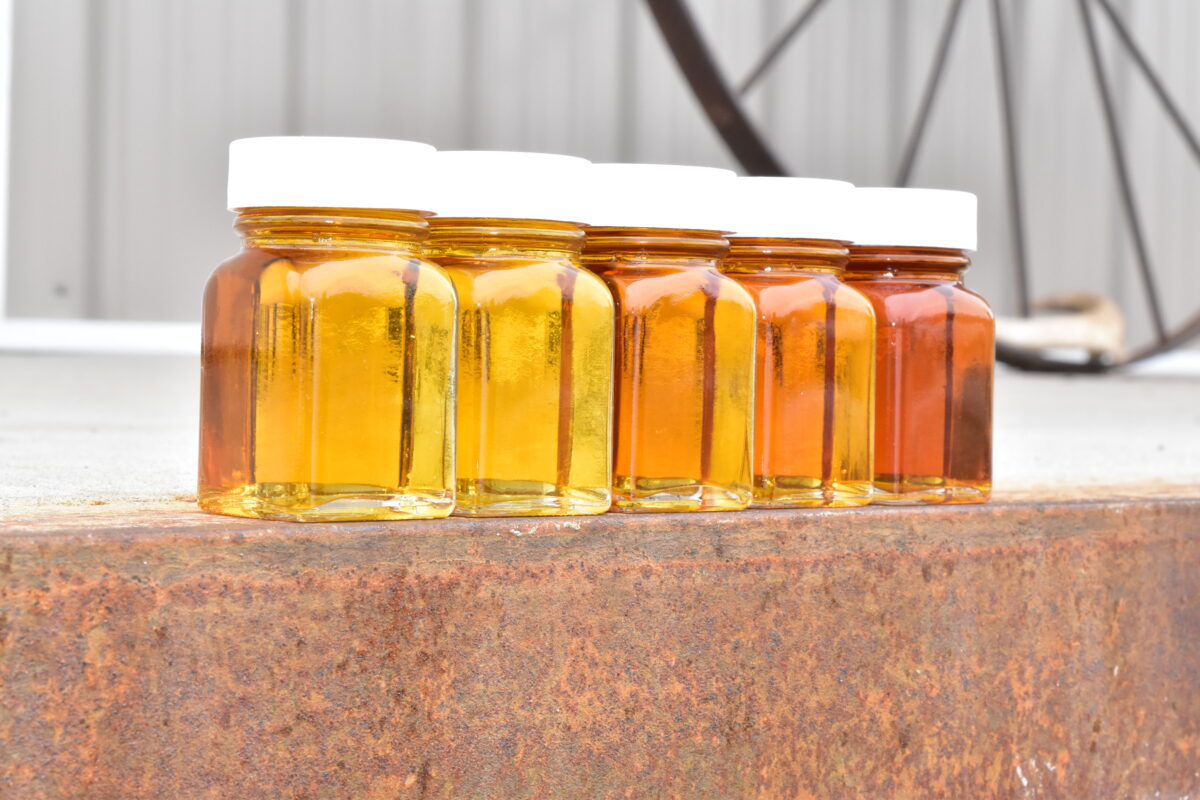
Maple syrup is one of Canada’s best-known exports, but there is no sign it is at risk. In fact, Canadian maple exports have gone up, and the US is still the biggest buyer of Canadian maple products.
Snacks and Bakery Products
Canadian bakery goods and snacks are also not on the list of affected products. Canada is still a major supplier of bakery items to the US, sending billions of dollars’ worth each year.
Frozen Fries, Beef, Chocolate, and Canola Oil
Other major Canadian exports like frozen potatoes, beef, chocolate, seafood, and canola oil are not part of the new import limits. This means consumers should not expect ordinary Canadian grocery items to suddenly disappear from supermarkets.
Why Is This Happening?
These restrictions are part of a larger trade dispute between the US and Canada. The US government says these measures are a response to what it calls unfair treatment of American products. This mainly involves Canadian provincial rules on US alcoholic drinks and Canada’s dairy trade policies.
This dispute started with earlier tariffs and retaliatory steps by both countries. In Canada, some provinces answered US trade actions by limiting sales of American alcohol. Ontario’s liquor authority even took US products off shelves and stopped buying some American goods during the dispute. The result has been a cycle of trade measures affecting selected industries.
What Will Consumers Actually Notice?
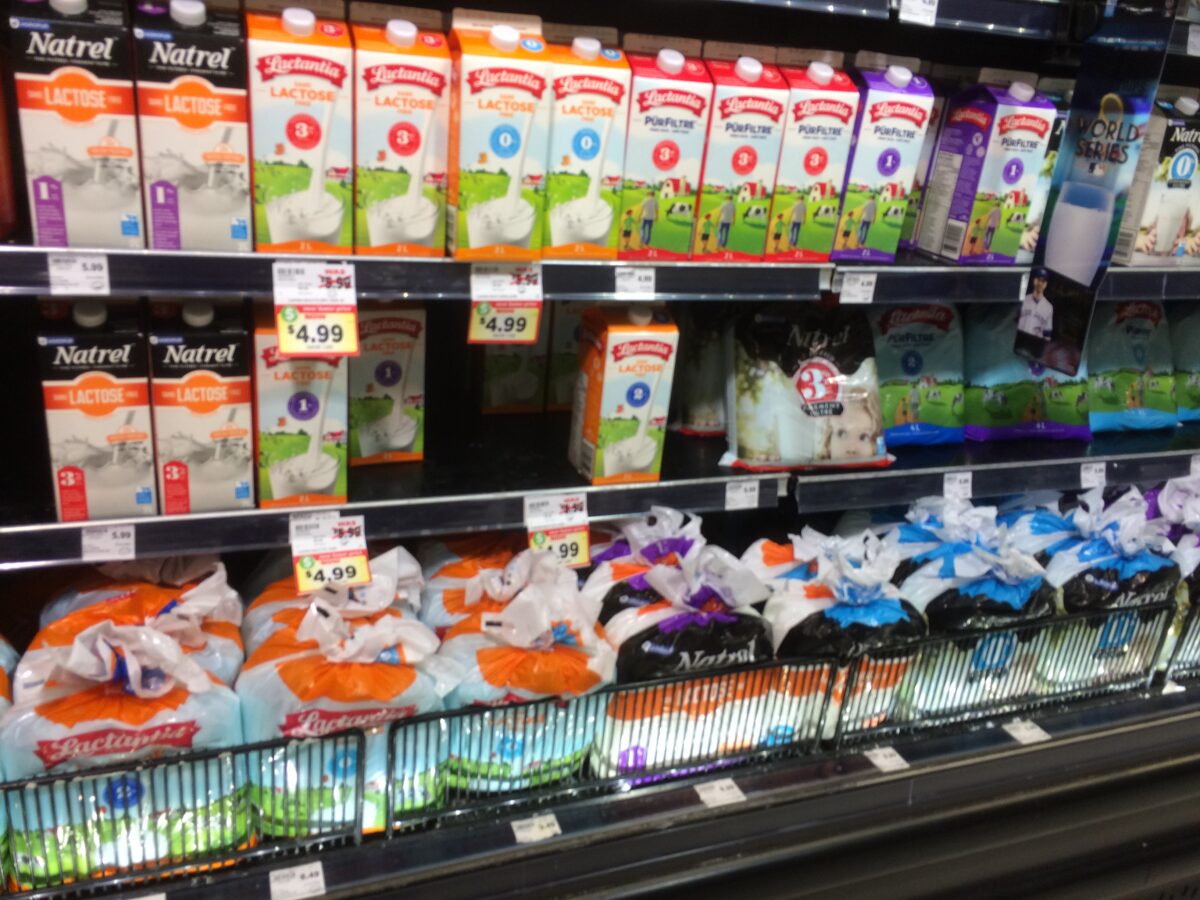
For most American shoppers, the impact is unlikely to look like empty supermarket shelves overnight. Products already in US warehouses and stores can still be sold until they run out. The biggest changes will probably show up slowly over time: some Canadian craft beers may become harder to find, Certain Canadian spirits may disappear from specialty stores, Shoppers may notice fewer imported options, and Prices might go up for some affected products if stores need to find other suppliers.
The impact may also depend on where you live. Border states and specialty stores often have more Canadian imports than regular supermarkets.
How Important Is Canada to US Food Supply?
Canada is a big player in the US food market. In 2024, the US imported about $62.3 billion worth of Canadian farm and seafood products, making Canada one of the top food suppliers to the US. The two countries have such a closely connected food system that even limited trade restrictions can challenge certain companies. However, the current measures affect only a small portion of the overall Canadian food trade relationship. This situation does not mean there is a general shortage of Canadian food or a supply collapse.
The idea that Canadian foods and drinks might disappear from US shelves is partly true, but it sounds more dramatic than what the facts show. Some Canadian alcoholic drinks and a few food products may be harder to import once the new rules start. People who like certain Canadian beers, wines, spirits, or specialty items might notice fewer choices over time. But it is misleading to say that Canadian grocery products are disappearing in general. The restrictions do not cover maple syrup, snacks, frozen foods, beef, chocolate, or many other Canadian exports.