Hosting a Cheese and Wine Night? These Simple Tips Can Make Your Board Look Like It Came From a Restaurant
A cheese and wine night is one of the easiest ways to entertain guests without spending hours preparing complicated recipes or managing a full dinner menu. With a few carefully chosen ingredients, you can create a spread that feels elegant, relaxed, and impressive.
The basic formula is simple: combine several cheeses with wine, bread, fruit, crackers, nuts, and a few savory additions. However, the difference between a random assortment of snacks and a beautifully arranged cheese board often comes down to thoughtful choices and presentation.
A great cheese board should offer variety. It needs creamy and firm cheeses, sweet and salty flavors, familiar options, and at least one interesting item that encourages guests to try something new. It should also be easy to enjoy. Guests should know what they are eating, how to serve themselves, and which flavors work well together.
Whether you are hosting a date night, birthday celebration, casual gathering, or weekend get-together, a few simple strategies can help you create a cheese and wine board that looks like it came from a restaurant.
Start With a Variety of Cheeses
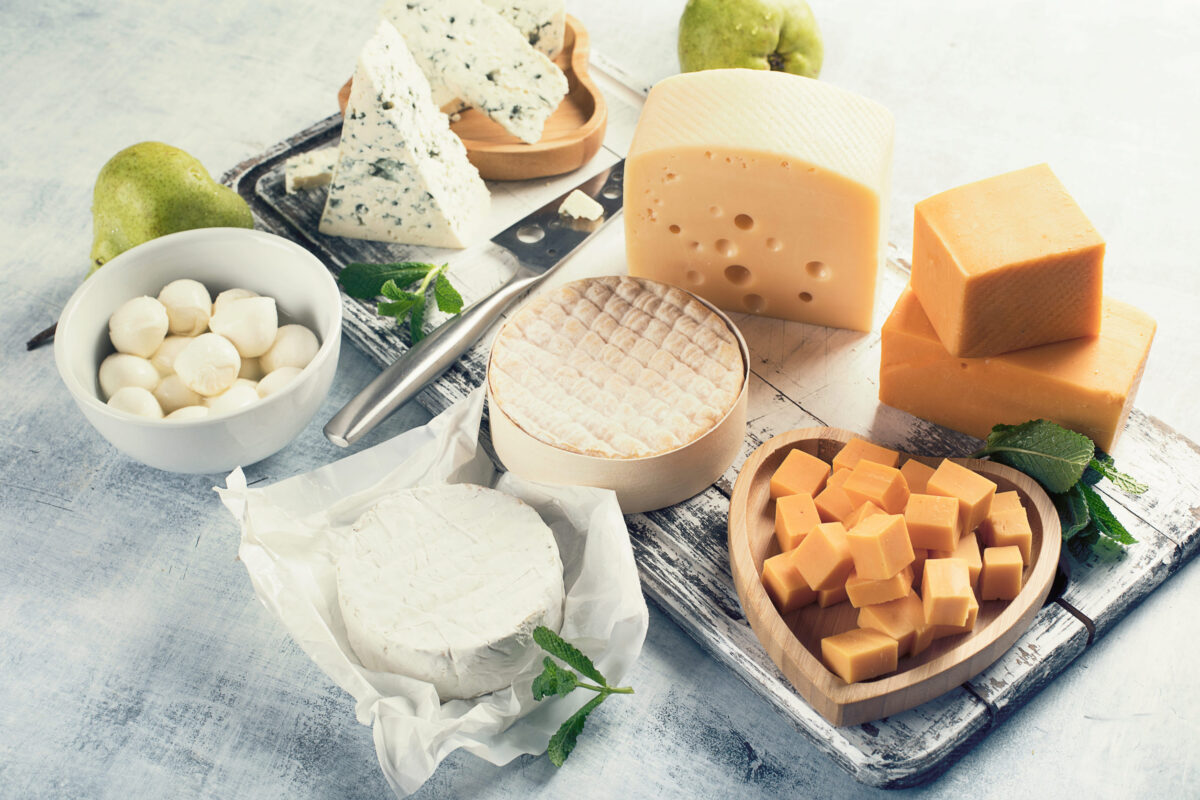
The foundation of any cheese board is, of course, the cheese. The easiest way to create an appealing selection is to choose different textures and flavor profiles.
A board filled with only firm cheeses can feel repetitive. Instead, include a combination of soft, semi-soft, firm, and aged varieties.
For a small gathering, three cheeses are usually enough. If cheese is the main attraction or you are hosting a larger group, adding four or five options can make the board feel more generous.
A simple combination might include creamy brie, sharp cheddar, nutty manchego, and salty parmesan. For guests who enjoy stronger flavors, blue cheese or gorgonzola can add a bold element. Goat cheese is another excellent choice because it brings a fresh, tangy flavor.
When cheese is the main dish, plan for about 8 to 10 ounces per person. If you are also serving other dishes, desserts, or snacks, you can reduce the amount.
The goal is not to buy the most expensive cheese available. A thoughtfully chosen selection from a regular grocery store can create an equally enjoyable experience.
Allow Cheese to Reach Room Temperature
One of the easiest ways to improve a cheese board is also one of the simplest: let the cheese warm up before serving.
Cheese served directly from the refrigerator can taste firmer and less flavorful because cold temperatures reduce aroma and texture. Allowing cheese to sit at room temperature for about 30 minutes before guests arrive gives it time to soften and develop more noticeable flavors.
Soft cheeses such as brie become creamier, while goat cheese becomes easier to spread. Aged cheeses can also taste richer when served at room temperature.
However, don’t leave cheese out for several hours, especially in warm conditions. Take it out shortly before serving and refrigerate leftovers after the gathering.
This small step can make an ordinary cheese board feel more refined without adding extra cost or effort.
Arrange the Cheese First
When building the board, start with the cheese before adding any other ingredients.
The cheeses are the centerpiece, so they should guide the layout. Spread them around the board rather than placing them all together in one area. This creates balance and allows guests to reach different options easily.
A large wooden board, marble surface, serving tray, or oversized platter can work well. If you don’t have a traditional cheese board, you can also use a baking sheet lined with parchment paper.
Place each cheese with the right serving tool nearby. Use small knives or spreaders for soft cheeses, and slice firm cheeses ahead of time. Hard cheeses such as parmesan can be broken into small pieces for a rustic appearance.
Once the cheese is arranged, fill the empty spaces with fruit, crackers, nuts, and other additions.
Add Sweet, Salty, and Crunchy Elements
Cheese is rich and flavorful, so the best boards include ingredients that add freshness, sweetness, acidity, and texture.
Fresh fruit is one of the easiest additions. Grapes are a classic choice because they require little preparation and pair well with almost any cheese. Apples and pears work especially well with cheddar, brie, and blue cheese. Seasonal fruits such as berries, peaches, cherries, and figs can add color and variety.
Dried fruits are another useful option. Apricots, dates, cranberries, cherries, and dried figs provide sweetness and make the board look more complete.
For crunch, add crackers, sliced baguette, breadsticks, pretzels, almonds, walnuts, pecans, or pistachios. Toasted nuts can make a simple spread feel more intentional.
Savory additions help balance the cheese’s richness. Olives, pickles, roasted peppers, marinated vegetables, salami, and prosciutto can bring salty flavors that keep the board from feeling too heavy.
Avoid adding too many ingredients. A crowded board can look messy. A smaller selection of carefully chosen items usually creates a more attractive presentation.
Choose Wine That Complements the Board
You do not need a different wine for every cheese. A few flexible options can pair well with a variety of flavors.
Sparkling wine is one of the easiest choices because its acidity and bubbles work well with creamy, salty, and rich foods. Fresh white wines such as Sauvignon Blanc and Pinot Gris are also versatile options, especially with lighter cheeses and fruit.
Rosé can be a good middle-ground choice for boards featuring cheese, cured meats, and fresh fruit. If your guests prefer red wine, lighter options such as Pinot Noir often pair better with mixed cheese boards than heavier, more tannic wines.
It is also helpful to include nonalcoholic choices. Sparkling water, apple cider, iced tea, or other festive drinks can pair nicely with cheese and fruit while giving guests more options.
Make the Board Easy to Enjoy
A beautiful board should also be practical.
Slice firm cheeses before serving so guests do not struggle with large pieces. Keep soft cheeses whole with a spreader nearby. Place crackers and bread around the edges so guests can grab them easily.
Provide small plates, napkins, toothpicks, and serving utensils. Place items like olives, jams, honey, and pickles in small bowls to prevent liquids from spreading across the board.
The easier it is for guests to build their own bites, the more relaxed the gathering will feel.
Create an Elegant Board Without Overspending
A restaurant-style cheese board does not require a large budget.
Instead of buying many expensive cheeses, choose a few quality options and add affordable ingredients like grapes, apples, crackers, nuts, and bread. A small bowl of honey or jam can make the spread feel special.
A simple combination of brie, cheddar, parmesan, fruit, crackers, nuts, honey, and a bottle of sparkling wine can create an impressive centerpiece for a casual evening.
The best cheese and wine nights are not about following strict rules. They are about creating an inviting table where people can relax, discover new flavors, and enjoy time together.