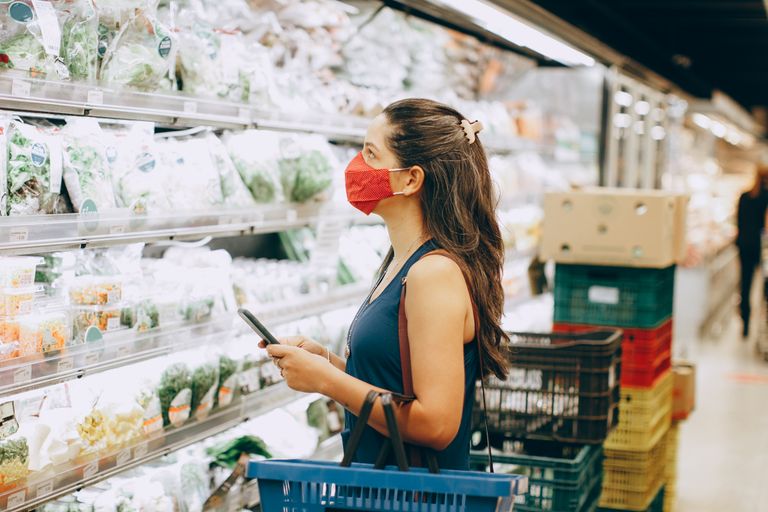
We Cannot Live in Fear of What We Eat Forever: The Growing Anxiety Behind Every Meal.
For many people today, eating is no longer a simple daily routine. A plate of food that once represented comfort, family, and tradition has become a source of worry.
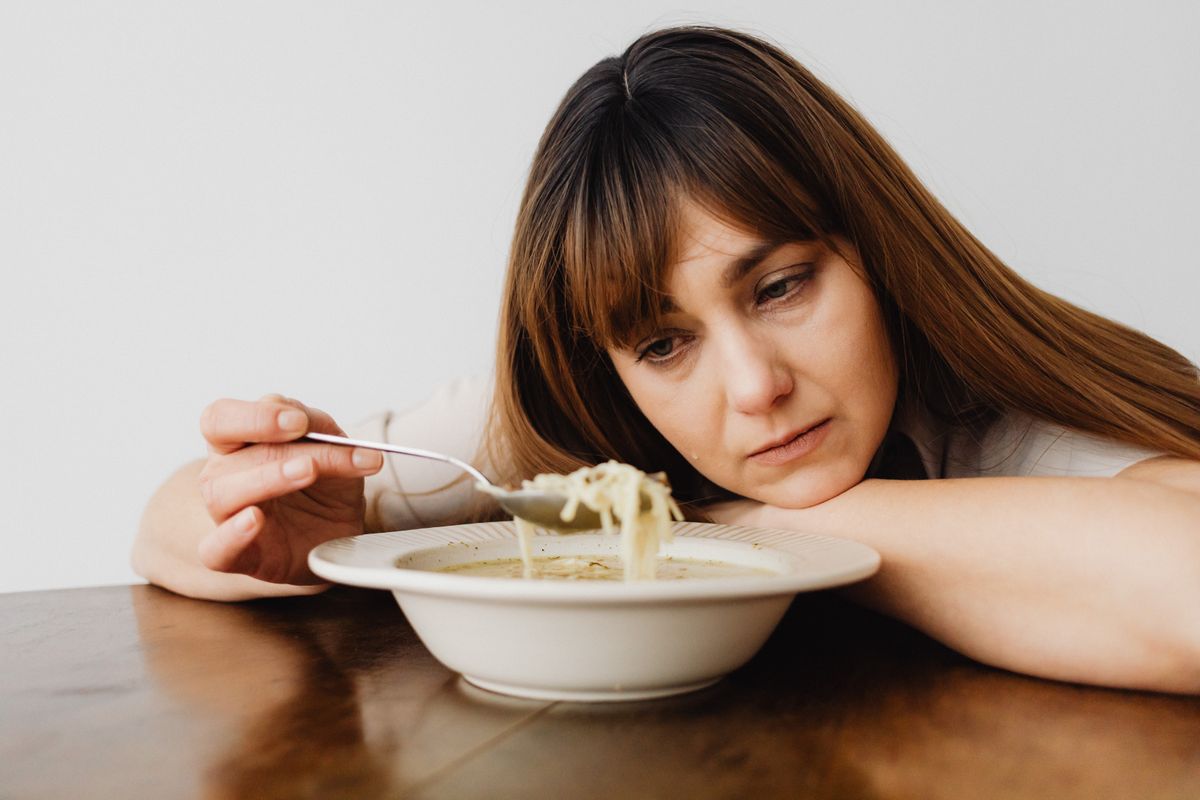
Before taking the first bite, some consumers ask: Is this safe? Is this harmful? Will this affect my health years from now?
The modern world has given people more information about food than any previous generation. But that information has also brought a new challenge: fear.
Every week, new warnings appear online. One food is blamed for health problems. Another ingredient is described as dangerous. A new diet trend promises that avoiding certain foods will lead to a longer, healthier life.
The result is a growing sense that almost everything we eat comes with a hidden risk.
But experts say there is a difference between being aware and being afraid.
The Age of Food Fear Has Arrived
Social media has changed the way people think about nutrition. A short video or dramatic headline can reach millions within hours, often without explaining the full scientific picture.
A food may be labeled “toxic” or “dangerous” based on a single study, a personal experience, or an incomplete understanding of research. Once the message spreads, it can become difficult to separate facts from fear.
This has created a culture where people constantly search for the “perfect” diet, one without mistakes, risks, or uncertainty.
But that diet doesn’t exist.
Nutrition scientists have repeatedly emphasized that health is not determined by one ingredient, one meal, or one day of eating. Long-term habits, overall diet patterns, physical activity, sleep, genetics, and many other factors shape it.
The human body is designed to handle a wide range of foods. The challenge is learning how to create balance.
Food Safety Matters But Fear Is Not the Answer
The conversation about food should not ignore real concerns.
Unsafe food practices, contamination, poor storage, and lack of regulation can create serious health risks. Food safety systems exist because protecting consumers is important.
Governments, researchers, and food organizations worldwide continue working to identify risks and improve standards.
However, experts warn that fear alone does not make people healthier.
When every food is presented as a threat, people may become confused instead of informed. They may spend more time worrying about what they should avoid than understanding what their bodies actually need.
Being informed means asking questions, reading reliable information, and making reasonable choices.
Living in fear means feeling that every meal is a potential mistake.
Those are not the same thing.
The Pressure to Eat Perfectly Is Creating Stress
The search for perfect health has created an enormous market built around food rules.
Every year, new diets appear promising dramatic results. Some encourage reducing certain foods, while others promote strict eating patterns. Some people find these approaches helpful, but others feel stress and guilt when they can’t meet unrealistic expectations.
For many individuals, eating has become a source of anxiety.
A birthday cake becomes something to fear. A traditional meal becomes something to question. A favorite family recipe becomes something people feel guilty about enjoying.
This relationship with food can take away the joy of eating.
Food is not only fuel. It is also culture, connection, celebration, and memory.
Across the world, meals bring people together. Recipes pass from one generation to the next. Communities use food to preserve history and identity.
A healthy lifestyle should not require people to lose their connection with the foods that matter to them.
The Problem With Chasing a Perfect Diet
One of the biggest misunderstandings about nutrition is the belief that healthy eating requires perfection.
It does not.
People do not become unhealthy because of one occasional treat. They do not become healthy because of one “superfood.” Real health comes from patterns repeated over time.
A person who eats a variety of foods, stays active, manages stress, and maintains healthy habits is usually making more meaningful progress than someone who constantly jumps between extreme diets.
The goal should not be to eliminate every possible risk from life.
That is impossible.
The goal should be to make thoughtful decisions while accepting that no human choice comes with absolute certainty.
Consumers Need Better Information, Not More Panic
The responsibility for a healthier food environment cannot fall only on individuals.
Consumers need clear labels, honest communication, and trustworthy guidance. Food companies must be transparent about their products. Health authorities must communicate risks clearly and avoid creating unnecessary confusion.
People also need access to affordable, nutritious foods.
For many families, the biggest food challenge is not deciding between dozens of diets. It is finding healthy options that fit their budget and daily reality.
A meaningful conversation about food must recognize these challenges.
Health advice should be practical, realistic, and accessible, not something that makes people feel judged.
A New Way of Thinking About What We Eat
The future of food should not be built on fear.
It should be built on knowledge.
Instead of asking only, “What should I avoid?” people can also ask, “How can I create a healthier balance?”
Instead of fearing every ingredient, people can focus on variety, moderation, and habits they can maintain.
Instead of chasing impossible perfection, people can make small improvements that support long-term health.
Food will never be completely risk-free. Nothing in life is.
But that does not mean people should live in constant anxiety over every meal.
We Must Learn to Trust Food Again
For thousands of years, food has been central to human survival and human connection. It has helped communities celebrate victories, comfort each other during difficult moments, and pass traditions from one generation to the next.
That relationship should not be destroyed by fear.
Yes, consumers should stay informed. Yes, food safety concerns should be taken seriously. Yes, science should guide decisions.
But fear should not control the way people eat.
The answer is not to panic over every ingredient. The answer is education, balance, and common sense.
We cannot live in fear of what we eat forever.
Food should be something we understand, not something we constantly fear.