The 15-Minute Kitchen Reset That Makes Weeknight Cooking So Much Easier
Weeknight cooking often feels difficult long before you turn on the stove. The sink is full, the counters are crowded, leftovers are hiding in the refrigerator, and the one vegetable you meant to use three days ago is starting to look questionable.
That is why a 15-minute kitchen reset can make such a difference.
This is not a deep-cleaning routine, a complicated meal-prep project, or a Sunday afternoon that leaves you with a refrigerator full of containers you may not want by Wednesday. It is a short, practical routine designed to make the next few dinners easier to start.
The goal is simple: create a kitchen that is ready to cook in.
In 15 focused minutes, you can clear the sink, prep one vegetable, cook one basic grain, make a quick sauce, portion snacks, and label leftovers. Each step removes a small obstacle that can otherwise push you toward takeout, frozen pizza, or another last-minute grocery run.
Here is how to make the reset work.
Start With the Sink
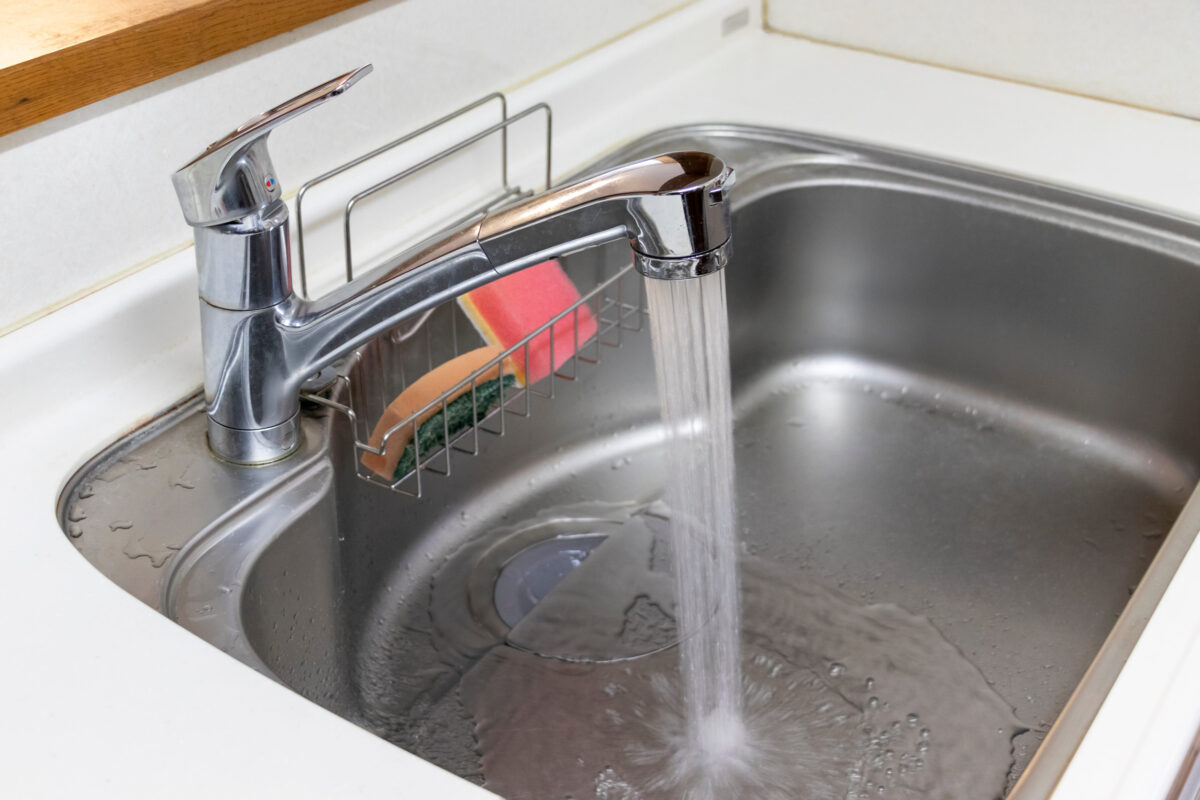
A cluttered sink can make even an easy dinner feel like too much work. If dirty plates, pots, and utensils are waiting, your brain may already be calculating the cleanup before you have chopped a single onion.
Start your reset by tackling the sink.
Load the dishwasher if you have one, or wash the most important items by hand. You do not need to wash every mug in the house. Focus on the pieces you’ll need to cook tonight or tomorrow: a cutting board, knife, skillet, saucepan, mixing bowl, and a few storage containers.
If the dishwasher is running or you are short on time, stack dishes neatly and fill the sink with hot, soapy water. The goal is not perfection. The goal is to make room for cooking.
Once the sink is clear enough to rinse produce and wash a pan, dinner already feels more manageable.
A clean sink also makes it easier to clean as you go. You can rinse a knife after cutting chicken, wash a bowl while vegetables roast, or quickly soak a sticky pan instead of letting it sit overnight.
Prep One Vegetable
You do not need to wash, peel, and chop every vegetable you bought. In fact, doing too much prep at once can make food feel less appealing later in the week.
Instead, choose one vegetable that can work in several meals.
Bell peppers, onions, broccoli, carrots, zucchini, cucumbers, kale, and green beans are all good options. Wash and cut enough for two or three meals, then store them in a container or reusable bag.
For example, you can use sliced bell peppers in fajitas on Monday, pasta on Tuesday, and omelets on Wednesday. You can roast chopped broccoli as a side dish, stir it into fried rice, or add it to a sheet-pan chicken dinner.
The key is to prep flexible ingredients.
If you are not sure what to make, start with onions. A container of chopped onion can make almost any dinner easier, from soups and tacos to pasta sauce and scrambled eggs.
Keep the prepared vegetable at eye level in the refrigerator so you remember to use it. If it gets hidden behind drinks, condiments, and leftovers, you’re more likely to forget it.
Cook One Grain
Having a cooked grain in the refrigerator can turn random ingredients into dinner.
Make a batch of rice, quinoa, couscous, farro, or even pasta during your reset. Choose the one your household is most likely to eat. You do not need a trendy ingredient if everyone prefers plain rice.
Rice is especially useful because it works in grain bowls, stir-fries, burritos, soups, and breakfast dishes. Quinoa can become a quick salad base. Couscous is ready quickly and pairs well with roasted vegetables, chickpeas, chicken, or fish.
To save time, start the grain early in your 15-minute reset. Put rice or quinoa on the stove, then continue with the other tasks while it cooks.
Once it has cooled slightly, portion it into a sealed container and refrigerate it, a cooked grain can be the foundation for a dinner that takes less than 10 minutes to assemble.
One easy example: warm leftover rice in a skillet with your prepped vegetables, an egg, soy sauce, and any leftover chicken or tofu. You have a fast fried-rice-style dinner without starting from scratch.
Make One Quick Sauce
A good sauce can make basic food taste intentional.
You do not need to make a complicated dressing or spend an hour simmering homemade marinara. A simple sauce made from pantry and refrigerator staples can transform bowls, roasted vegetables, sandwiches, salads, tacos, and proteins.
Try a quick lemon-garlic yogurt sauce by mixing plain Greek yogurt, lemon juice, minced garlic, salt, pepper, and a little olive oil. It works with chicken, roasted potatoes, grain bowls, and raw vegetables.
For an easy sesame sauce, stir together soy sauce, peanut butter or tahini, lime juice or rice vinegar, a little honey, and warm water. Use it on noodles, tofu, rice bowls, or shredded cabbage.
Another option is a quick vinaigrette. Combine olive oil, vinegar or lemon juice, Dijon mustard, salt, pepper, and a small spoonful of honey. Shake it in a jar and use it for salads, grain bowls, or roasted vegetables.
Make enough for two or three meals, not enough to last for weeks. Fresh sauces are more likely to be used when they are easy to see and still taste bright.
Portion Snacks Before You Need Them
When you are hungry at 4 p.m., it is easy to eat whatever is fastest. That can mean finishing a bag of chips, skipping a real snack, or becoming so hungry that cooking dinner feels impossible.
Take two minutes during your reset to portion a few grab-and-go snacks.
This does not need to be complicated. Put nuts in small containers, wash grapes, slice apples, divide crackers into bags, or portion hummus with carrots and cucumbers. Cheese sticks, hard-boiled eggs, yogurt, popcorn, and roasted chickpeas can also help bridge the gap between lunch and dinner.
The goal isn’t strict meal planning. It is making the easier choice more visible.
When snacks are ready, you are less likely to arrive at dinner starving and impatient. That can make a major difference in whether you cook the food you already have.
Label Leftovers Before They Disappear
Leftovers become food waste when nobody remembers what they are or how long they have been in the refrigerator.
Before your reset ends, take a minute to label containers. Write the food and date on masking tape, freezer tape, or a simple label. “Turkey chili, Tuesday” is enough. You do not need a perfect storage system.
Move older leftovers toward the front of the refrigerator so they are the first thing you see. Keep newer items behind them.
This small habit makes meal planning easier because you can quickly identify what needs to be eaten. Leftover roasted vegetables can go into eggs. Cooked chicken can become tacos. A container of soup may be tomorrow’s lunch.
You can also make a quick note on your phone or a small refrigerator whiteboard: “Use first: rice, broccoli, chili.” That one reminder can prevent perfectly good food from being forgotten.
Make It a Repeatable Routine
The best kitchen reset is the one you can repeat.
Try doing it after grocery shopping, on Sunday evening, or during a quiet moment before the workweek gets busy. Set a 15-minute timer and focus only on the tasks that will make your next meal easier.
Some weeks, you may only clear the sink and chop vegetables. Other weeks, you may make rice, sauce, snacks, and organize leftovers too. Both count.
A kitchen does not need to be spotless for you to cook a satisfying dinner. It just needs to feel possible.
When the sink is usable, one vegetable is ready, a grain is cooked, a sauce is waiting, snacks are within reach, and leftovers are labeled, weeknight meals become less of a daily challenge and more of a simple next step.