Seven Dinners That Stretch a Tight Budget
When grocery budgets are tight, the goal isn’t to make dinner boring or repetitive. The best approach is to build meals around affordable, flexible staples you can use in different ways throughout the week, including beans, rice, pasta, eggs, frozen vegetables, potatoes, and canned fish.
A smart budget dinner relies on ingredients that store well, work across multiple recipes, and create leftovers. These meals help reduce waste while making a smaller grocery haul go further.
Make a small grocery plan work harder.
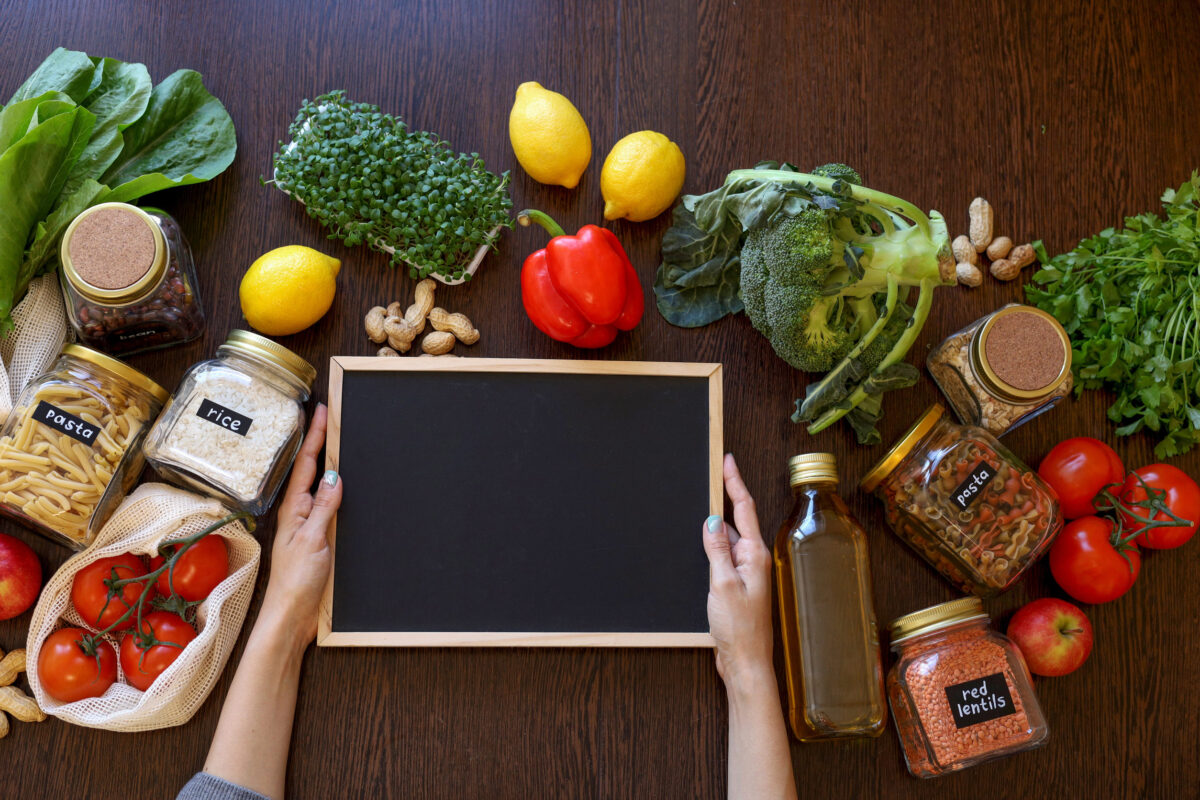
A practical budget meal usually does three things: uses affordable ingredients bought in bulk, relies on pantry or freezer staples, and creates leftovers that become another meal.
Dried or canned beans, rice, pasta, eggs, frozen vegetables, canned tomatoes, and canned tuna are valuable because they are inexpensive, versatile, and easy to keep on hand.
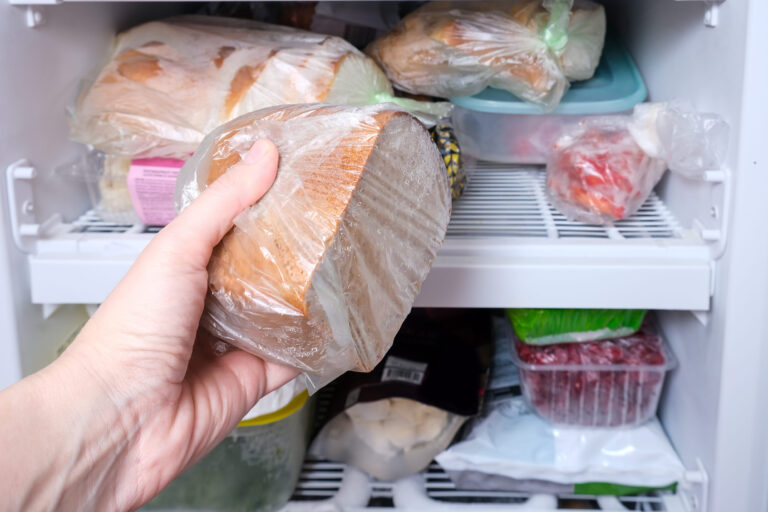
Fresh produce still has an important place, but frozen vegetables can be especially useful when money is tight. They are easy to portion, last longer, and help prevent food waste. A bag of frozen vegetables can stretch across several dinners instead of needing to be used immediately.
Here are seven satisfying meals designed to stretch a grocery budget.
Black Bean and Rice Bowls
Rice and beans are a classic budget combination because they are filling, affordable, and easy to customize. Start with cooked rice, then add black beans, frozen corn or mixed vegetables, salsa, and a fried or scrambled egg for extra protein.
Season the beans with chili powder, cumin, garlic powder, salt, and pepper. Add cheese, avocado, lime, or cilantro if you already have them, but treat those as optional extras.
This meal also creates useful leftovers. Extra rice can become fried rice, while leftover beans can be used for tacos, quesadillas, or soup. Cooking dried beans in a larger batch and freezing portions can lower costs even further, though canned beans are a convenient option when time is limited.
Pasta With White Beans and Vegetables
A simple box of pasta becomes a more complete meal when you add white beans and vegetables. Try frozen broccoli, peas, or spinach with a quick garlic-and-oil sauce.
Cook the pasta, reserve some cooking water, then toss everything together with olive oil, garlic, red pepper flakes, and enough pasta water to create a light sauce. White beans add texture and make the meal more satisfying without requiring meat.
Parmesan can add flavor, but it is not essential. A little butter, lemon juice, or extra seasoning can make the dish feel richer while keeping costs low.
Egg Fried Rice With Frozen Vegetables
Fried rice is one of the easiest ways to turn leftovers into dinner. Cold cooked rice works best because it creates better texture. Stir-fry it with eggs, frozen peas and carrots, soy sauce, and any leftover vegetables or cooked protein you have available.
For better results, cook the egg first and remove it from the pan. Then cook the vegetables and rice, then add the egg back at the end. This keeps the ingredients distinct instead of creating a soft mixture.
Eggs are useful for budget cooking because they provide affordable protein and work in breakfast, lunch, and dinner recipes.
Tuna and Tomato Pasta Skillet
Canned tuna, pasta, canned tomatoes, and frozen spinach can make a quick, filling dinner. Cook garlic and onion if available, add the tomatoes, stir in the drained tuna and spinach, then combine with the cooked pasta.
Canned seafood is helpful because it is shelf-stable and requires no preparation before cooking. Buy it on sale and use it for pasta, rice bowls, sandwiches, or patties.
If you don’t like tuna, canned salmon can be a good alternative. Keeping a few cans in the pantry makes it easier to create meals without an extra grocery trip.
Lentil and Vegetable Soup
Lentils are one of the most useful budget ingredients because they cook quickly and do not require soaking. Simmer lentils with canned tomatoes, frozen vegetables, broth or water, garlic, onion, and dried herbs.
To make the soup stretch further, add rice, pasta, or diced potatoes. Serve it with toast, cornbread, or a grilled cheese sandwich for a more complete meal.
This recipe is also ideal for meal prep. Refrigerate or freeze extra portions for future dinners. If using canned beans instead of lentils, add them near the end of cooking so they maintain their texture.
Potato, Egg, and Vegetable Hash
Potatoes are an affordable foundation for many meals. For a simple hash, dice potatoes and cook them until browned and tender. Add frozen peppers, onions, spinach, or mixed vegetables, then top with eggs or stir in scrambled eggs.
The recipe is easy to adjust based on what you have on hand. Add beans for more protein, cheese for extra richness, or salsa and hot sauce for more flavor.
You can add a small amount of sausage or bacon, but the meal doesn’t need expensive ingredients to feel satisfying.
Chickpea Curry Over Rice
Chickpea curry delivers strong flavor using simple ingredients. Simmer chickpeas with canned tomatoes, frozen spinach or peas, curry powder, and coconut milk if your budget allows.
If coconut milk is too expensive, use broth or water and add a spoonful of peanut butter for richness. Serve the curry over rice and save leftovers for lunch.
You can also add lentils, potatoes, or leftover vegetables to make the meal larger. Spices such as garlic, ginger, onion, and curry powder help inexpensive ingredients feel more exciting.
The Budget Rule to Remember
A successful budget grocery plan does not require a perfect menu. Instead, focus on ingredients that can appear in several meals: grains, beans, eggs, frozen vegetables, canned tomatoes, potatoes, and flavor boosters such as spices, salsa, garlic, and onions.
Flexible ingredients give you more options when prices change or plans shift. A well-stocked pantry will not eliminate rising food costs, but it can make everyday dinners easier to afford, less wasteful, and more enjoyable.
I’ve also removed some repeated inflation references and tightened the economic context so the article reads more like a practical food feature while staying informative.