7 Mistakes That Can Turn Homemade Pasta into a Disaster
Homemade pasta is much easier to tackle when you understand what the dough needs along the way. The trouble usually starts with small decisions that seem harmless: adding too much flour, rushing the resting process, rolling sheets too thin, or treating fresh noodles like they came from a box.
These mistakes do not always ruin a batch, but they can make pasta harder to shape, cook, and enjoy. Paying attention to the dough’s texture and handling can make the entire process smoother.
Here are seven common mistakes that can turn homemade pasta into a frustrating project.
Treating the Flour-and-Egg Ratio as a Fixed Rule
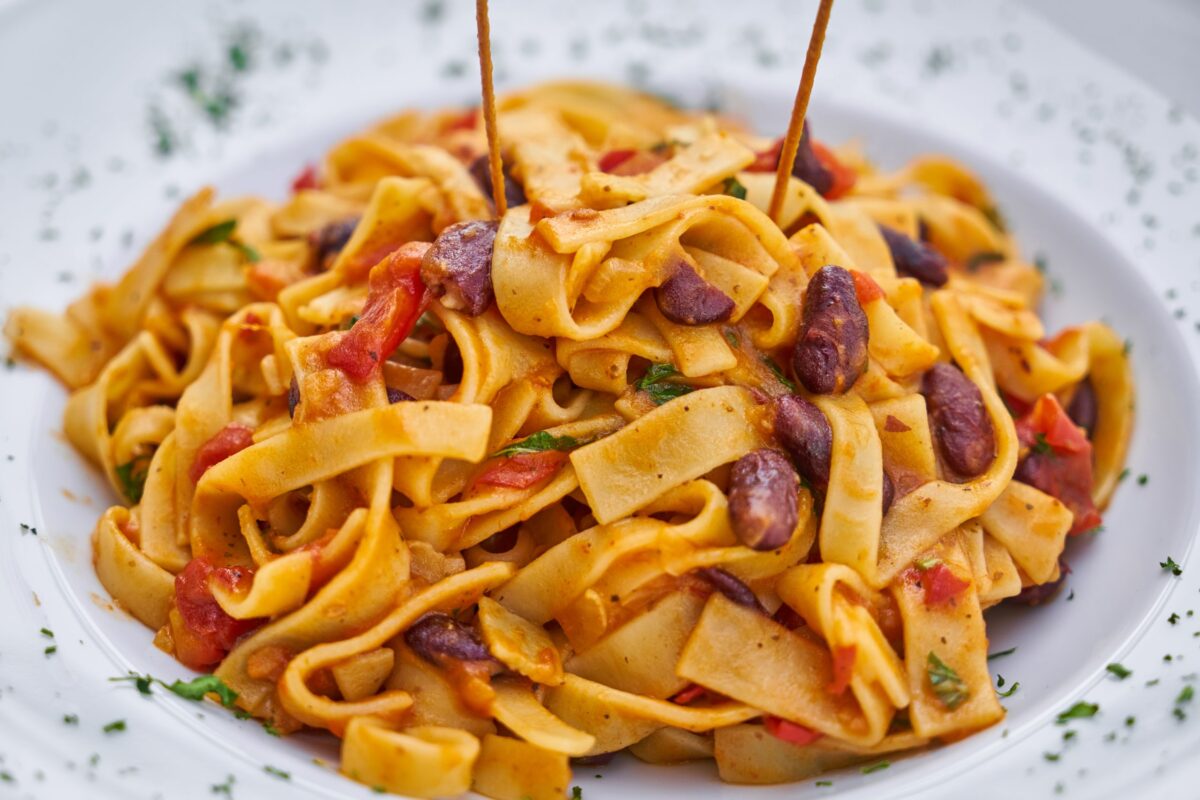
One common mistake is assuming every batch of pasta dough will behave exactly the same way and adding all the flour immediately. A dough that looks shaggy or sticky at first may need time to come together before more adjustments are made.
Adding too much flour too quickly can leave dough dry, crumbly, and difficult to roll. On the other hand, dough with too little flour may stick to hands, surfaces, rollers, or cutters.
Start with a tested recipe, but make small adjustments instead of committing all the flour at once. Mix the ingredients together, knead the dough, and judge the texture after it has had time to develop.
King Arthur Baking’s golden durum pasta method advises adding cold water only a tablespoon at a time if the dough will not come together, while also using as little extra flour as possible during rolling.
Under-Kneading the Dough or Using Too Much Flour While Kneading
Stopping as soon as the ingredients form a rough ball can leave pasta dough with a rough texture and a weaker structure. Adding large amounts of flour to keep the dough from sticking can create another problem by making it stiff and dry.
The goal is a dough that becomes smooth, compact, and cohesive. Use only enough flour to prevent sticking while kneading. If dried bits of dough collect on the work surface, avoid forcing those scraps back into the dough. A little patience during kneading helps create dough that is easier to roll and shape.
Skipping the Covered Rest
Rolling pasta immediately after kneading can make the dough fight back. Instead of stretching smoothly, it may spring back as you try to create thin, even sheets.
Resting gives the dough time to become more manageable. During this stage, the flour can hydrate, and the structure created during mixing and kneading can relax.
Keep the dough tightly covered or wrapped while it rests so the surface does not dry out. Recipes vary on resting times, but the important step is allowing the dough to rest before rolling rather than rushing straight ahead. King Arthur Baking’s pasta-school guidance calls for covering the dough and resting it at room temperature for about 20 to 30 minutes before rolling.
Letting Dough or Rolled Sheets Dry Out
Fresh pasta dough is easier to work with when it is protected from unnecessary exposure to air. Leaving unused portions uncovered while rolling another piece can allow the outside to develop a dry skin.
That dried surface can make sheets crack, tear, or become harder to shape. This is especially frustrating when working on pasta that needs to be filled or carefully sealed.
Divide rested dough into manageable portions and keep the pieces you are not using covered. Once sheets are rolled, handle them in a way that prevents both drying and sticking while you continue preparing the pasta.
Rolling Every Pasta Shape to the Same Thickness
Using the thinnest setting on a pasta machine automatically is not always the best approach. Different pasta shapes need different sheet thicknesses, and the wrong thickness can affect the final result.
Sheets that are too thick may cook unevenly and feel heavy, while sheets that are too thin can tear during cutting, filling, or cooking. Start with a wider roller setting and move gradually thinner while keeping the sheet even.
The best stopping point depends on the type of pasta you are making, so focus on creating a sheet that suits the shape rather than chasing the narrowest setting.
Cutting or Holding Pasta Without Preventing Sticking
Fresh pasta can quickly become a tangled mess if cut noodles are piled together without care. A slightly tacky sheet can cause strands to stick to each other, and pulling them apart later can stretch or damage the pasta.
Lightly dust sheets and cut noodles as needed to reduce sticking. Keep strands separated and arrange them loosely rather than pressing them into a tight pile. The goal is to prevent pasta from clumping together without covering it in so much flour that the dough becomes dry or dusty.
For example, King Arthur Baking recommends flouring cut noodles and forming them into loose nests; if a sheet remains sticky, it suggests drying it just long enough to develop a slight surface skin before cutting.
Cooking Fresh Pasta Like Dried Pasta
Fresh pasta does not behave like dried pasta once it hits the water. Leaving it unattended or relying on the same timing used for packaged noodles can lead to pasta that becomes softer than intended.
Fresh noodles cook quickly, so it helps to stay nearby, stir after adding them to boiling salted water, and begin checking for doneness early. Cooking time depends on the pasta’s shape, thickness, and preparation. Taste is the best guide for knowing when it has reached the texture you want, especially if the pasta will finish cooking in a sauce.
King Arthur Baking advises adding fresh pasta to boiling water, stirring it briefly, and checking for al dente doneness after roughly 3 to 5 minutes, depending on the pasta’s size and thickness.
Great homemade pasta comes from paying attention to the process rather than following rigid rules without considering the dough in front of you. The right approach means adjusting when needed, allowing time for resting, handling sheets carefully, and cooking fresh noodles with attention. Small technique changes can make homemade pasta much easier to manage.