7 Holiday Cookies Grandma Baked Every December That Families Are Losing
In many American homes, the Christmas season did not officially begin until Grandma started baking. Sometime after Thanksgiving, the kitchen filled with the smell of butter, sugar, and spice. Cookie tins stacked up on every counter, and children hovered near the oven hoping for a broken one they could eat on the spot.
Grandma’s cookie list was usually long and full of recipes passed down through her own family. Some came from the old country, brought to America by immigrant mothers and grandmothers. Others were clipped from magazines or the back of a flour bag in the 1950s and 1960s, then made every December for decades.
Today, many families buy holiday cookies from the store or bake one or two quick favorites. Some of Grandma’s old recipes are slowly disappearing. Here are seven holiday cookies she baked every December that more families are losing, and why they are worth saving.
1. Pressed Spritz Cookies
Spritz cookies were made with a metal cookie press that squeezed buttery dough into shapes like wreaths, trees, and stars. Grandma often tinted the dough green or pink and decorated each cookie with colored sugar or a tiny piece of candied cherry. They came out crisp, rich, and beautiful.
Spritz cookies have Scandinavian and German roots. The word comes from the German “spritzen,” meaning to squirt or spray. Many Scandinavian-American families made them every year.
The cookie press is the reason many families have stopped. Old presses can be fussy, and many modern cooks do not own one. But those who still use Grandma’s press say no holiday table is complete without spritz.
2. Pizzelles
Pizzelles are thin, crisp Italian wafer cookies made on a special iron that presses a lacy pattern onto each one. They are often flavored with anise, vanilla, or lemon, and dusted with powdered sugar. Many Italian-American grandmothers made stacks of them every Christmas.
The pizzelle is believed to be one of the oldest cookies in the world, with roots in the Abruzzo region of central Italy. The iron itself was often a family heirloom, passed from mother to daughter.
Making pizzelles takes patience, since each one is cooked individually. That slow process is one reason fewer families make them now. But anyone who grew up with them knows the anise scent instantly.
3. Russian Tea Cakes or Mexican Wedding Cookies
These small, round cookies go by many names, including snowballs, Russian tea cakes, and Mexican wedding cookies. They are made with butter, flour, finely chopped nuts, and a little sugar, then rolled twice in powdered sugar after baking. They melt in your mouth.
Grandma often made a huge batch, since they kept well in tins. The powdered sugar coating made them look like little snowballs, perfect for the season. Pecans or walnuts were the most common nuts.
They remain popular in some families, but many younger bakers skip them because of the mess. The powdered sugar gets everywhere, which was part of the fun for kids.
4. Thumbprint Cookies
Thumbprint cookies were simple butter cookies with a small well pressed into the center, often with a thumb, then filled with jam. Raspberry and apricot were classic fillings. Some grandmothers rolled the dough in chopped nuts before baking.
Children loved helping make them, since pressing their thumbs into the dough was half the fun. The bright jam centers made the cookie tray look festive.
Thumbprints are still made by some families, but they have faded from many holiday lists. They take time and care, and many modern bakers stick to cookies that can be made in one quick step.
5. Gingerbread Cut-Outs
Grandma’s gingerbread was often darker and spicier than store-bought versions. It was made with molasses, ginger, cinnamon, and cloves, then rolled out and cut into men, stars, and trees. The cookies were decorated with royal icing, raisins, and cinnamon candies.
Gingerbread has a long history in Europe, especially in Germany, where it was sold at Christmas markets for centuries. German immigrants brought their recipes to America. The Library of Congress holds early American cookbooks with recipes for gingerbread and other holiday baking.
Many families still make gingerbread houses, often from kits. But homemade gingerbread cut-outs with Grandma’s spice blend are becoming rare.
6. Kolaczki
Kolaczki, also spelled kolachki, are delicate pastries made with a cream cheese or butter dough folded around a filling of jam, poppy seed, or sweet cheese. They are especially popular in Polish and Czech-American families. Grandma dusted them with powdered sugar before serving.
These cookies were a Christmas tradition in many Midwest towns with Eastern European roots. Each family had its own recipe, and some argued over whose was best.
Making kolaczki takes time, since the dough must be chilled, rolled, cut, and filled by hand. As the older generation passes, some families are losing the recipe entirely.
7. Fruitcake Cookies and Date Pinwheels
Fruitcake has become a holiday joke, but many grandmothers made a smaller, cookie version that families actually loved. Fruitcake cookies were packed with candied cherries, dates, pecans, and spices. Date pinwheels were made by rolling a sweet date filling into dough, slicing it, and baking the spiral-shaped cookies.
These cookies were rich, chewy, and full of flavor. They were also a way to use dried fruit that was available in winter. Many families made them for decades.
Today, they are among the least common holiday cookies. Younger generations often do not recognize them, and candied fruit has fallen out of fashion. But many older readers say they would love just one more bite.
Why Families Are Losing These Recipes
Several things are causing these cookies to fade. Busy schedules leave less time for long baking days. Store-bought cookies and bakery trays are easy and affordable. Many old recipes require special tools like cookie presses or pizzelle irons that newer generations do not own.
Another reason is that many of these recipes were never written down in detail. They were learned by watching Grandma in the kitchen. When the person who knew the recipe passes away, the family may lose it entirely. It is one of many boomer favorites disappearing with Gen Z.
The Tradition of the Cookie Exchange
In the 1950s and 1960s, many women held holiday cookie exchanges. Each woman baked several dozen of one kind of cookie, and the group traded so everyone went home with a variety. It was a fun way to share recipes and save time.
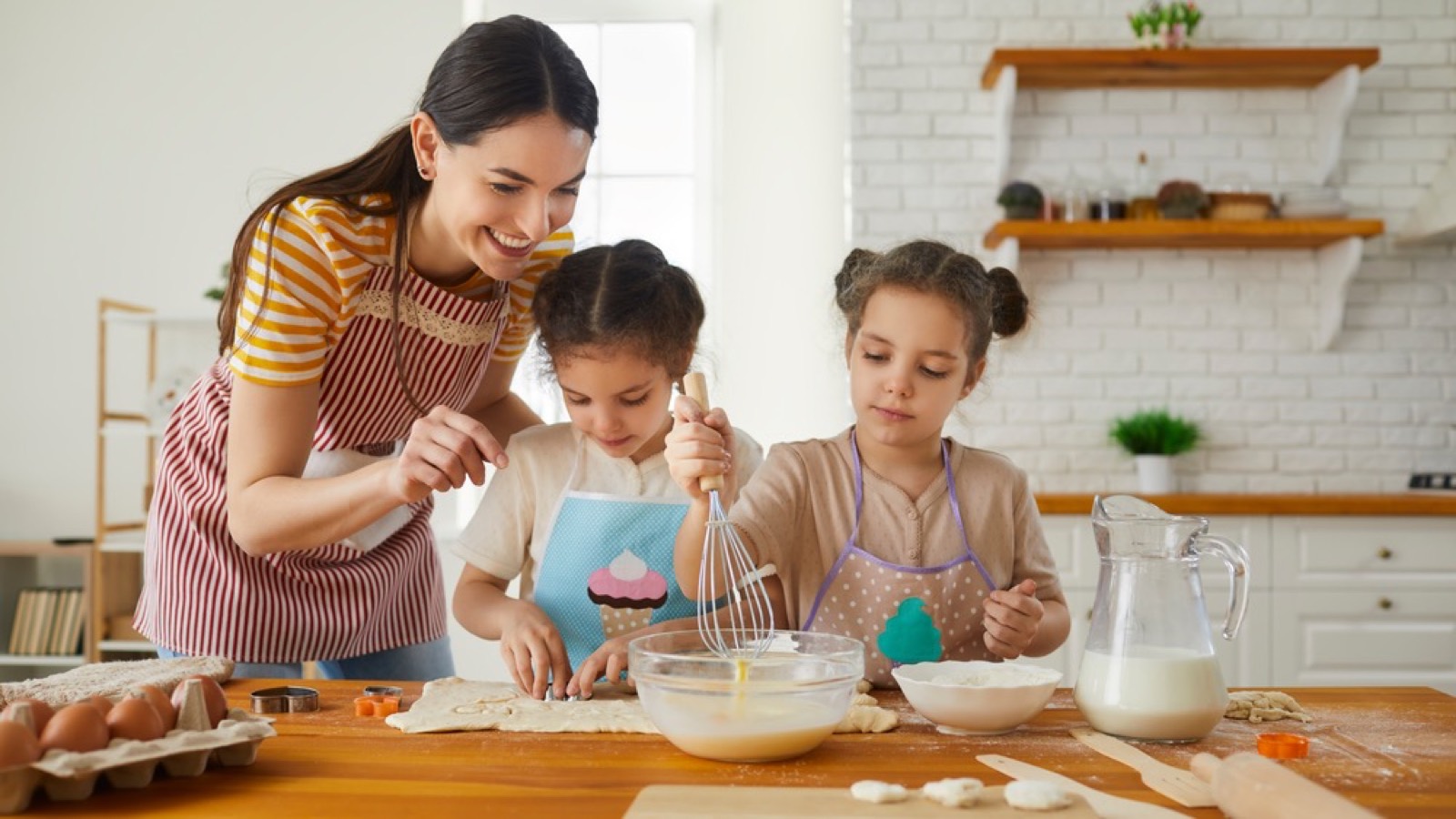
Cookie exchanges are still held in some neighborhoods, churches, and offices. They are a wonderful way to keep old recipes alive. Many families also hold baking days where grandparents, parents, and children work together. Sweet moments like these are among the simple pleasures in life we often overlook.
Saving Grandma’s Cookies
If your family still has Grandma’s recipes, now is a good time to make them together. Ask older relatives to show you their techniques, and write down every detail. Take pictures of the recipe cards and share them with cousins and children.
The cookies themselves are only part of the tradition. The real gift is the time spent together in the kitchen, sharing stories and making memories.
Which holiday cookie did your grandmother bake every year, and does anyone in your family still make it? Many readers say the smell alone takes them right back.