10 Reasons Jesus Kept the Scars That Death Couldn’t Erase
The resurrection of Jesus is often pictured with light, triumph, angels, and an empty tomb. Yet one detail still feels startling. The body that walked out of death still carried the marks of execution.
That detail is not small. If resurrection means victory, why would the risen Christ keep signs of pain, nails, blood, and violence? The answer reaches into identity, faith, forgiveness, memory, and the strange beauty of a Savior who did not hide what love cost Him.
The Scars Proved It Was Really Him
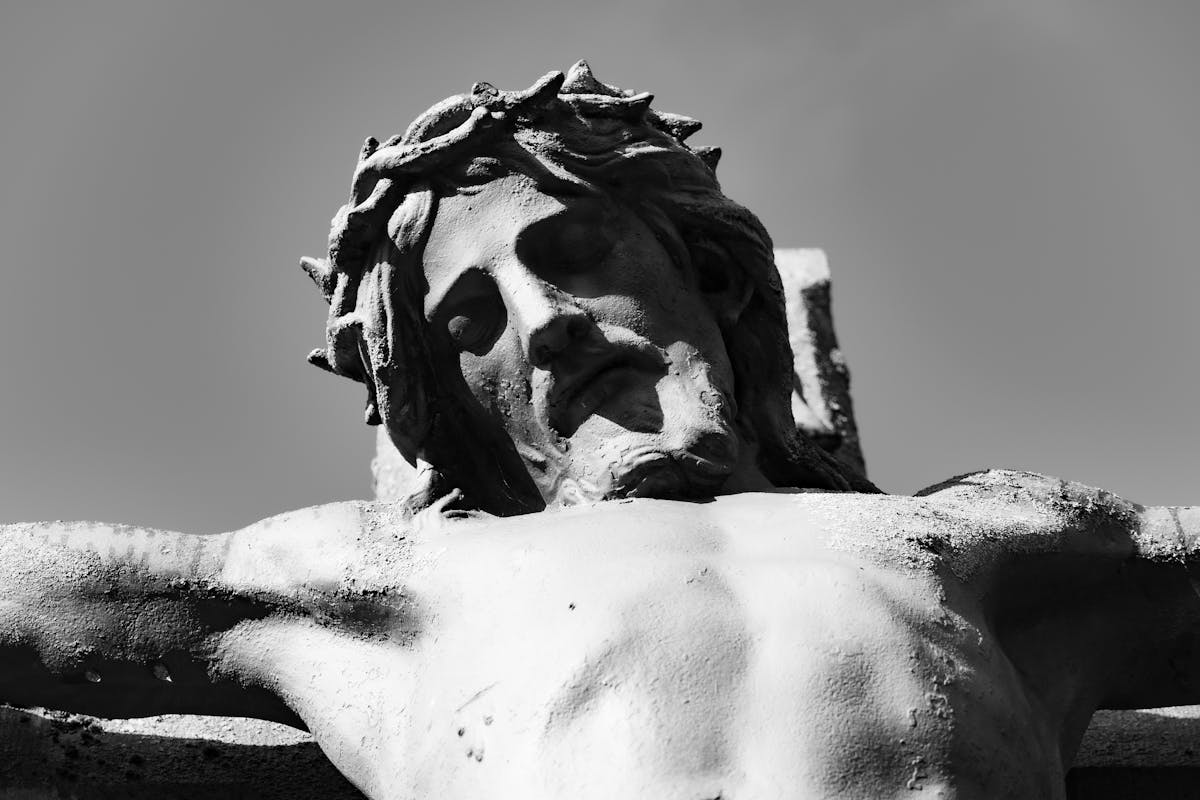
The disciples were not looking for a symbol. They were grieving a real man who had been arrested, beaten, nailed to a cross, and buried. When Jesus appeared after the resurrection, His scars answered the fear that they were seeing a ghost, a vision, or a stranger wearing holiness like a mask.
Those wounds connected the risen Christ to the crucified Christ. The same Jesus who suffered was the same Jesus who stood alive before them. Without the scars, the resurrection could have looked like replacement. With them, it became recognition.
The Wounds Silenced Doubt Without Shaming It
Thomas has carried the label of doubter for centuries, but his struggle was painfully human. He had seen hope collapse in public. He wanted more than rumors, more than emotion, more than secondhand excitement from people who had already seen what he had not.
Jesus did not crush Thomas for needing proof. He met him through the wounds. That moment shows a faith strong enough to handle honest fear. The scars became an invitation, not an insult.
The Scars Turned Shame Into Glory
Crucifixion was designed to humiliate. Rome not only wanted the victims dead. It wanted them displayed, mocked, stripped, and remembered as warnings. The cross was meant to erase dignity before it erased breath.
Yet Jesus carried those same marks into resurrection. What the empire used as shame became evidence of glory. The scars no longer said failure. They declared that love had walked into the worst violence humans could create and still rose with authority.
The Marks Reminded Believers That Suffering Was Not Wasted
Many people want faith to mean that pain disappears from the story. The resurrected body of Jesus tells a deeper truth. God can heal without pretending the wound never happened.
The scars did not weaken His victory. They gave it weight. They showed that suffering, sacrifice, betrayal, and loss had been gathered into redemption. For believers, that means their own wounds are not automatically meaningless just because they still remember them.
The Scars Revealed The Cost Of Love
Love is easy to praise when it is soft, safe, and comfortable. The wounds of Jesus tell a harder story. They show love that entered danger, accepted rejection, faced brutality, and kept giving themselves until death.
The resurrected Christ did not return polished beyond recognition. He returned with the receipt of sacrifice still visible. His scars said that salvation was not cheap, forgiveness was not casual, and grace did not arrive without a price.
The Wounds Protected The Story From Becoming A Myth
A scar is physical. It belongs to skin, nerves, memory, and history. By showing His hands, feet, and side, Jesus kept the resurrection anchored in a body rather than floating into legend.
That matters because Christianity does not begin with an abstract idea. It begins with a claim that death was confronted in real flesh. The scars kept the story grounded. They made resurrection something that touched earth before it reached heaven.
The Scars Showed That Victory Does Not Always Look Untouched
Many people imagine victory as a perfect, unmarked finish. Jesus showed something more powerful. Victory can walk into the room still carrying evidence of battle.
His scars did not mean death had won. They meant death had failed to keep Him. That picture speaks to anyone who has survived grief, trauma, betrayal, illness, or public humiliation. Being marked does not mean being defeated.
The Wounds Became A Bridge Between Fear And Peace
The disciples were hiding behind locked doors when Jesus appeared to them. Their world had fallen apart. Their teacher was dead, their courage had failed, and their future looked dangerous.
Then Jesus showed them His wounds and spoke peace. The scars did not terrify them. They steadied them. They proved that the violence they feared had already been faced by the One standing before them.
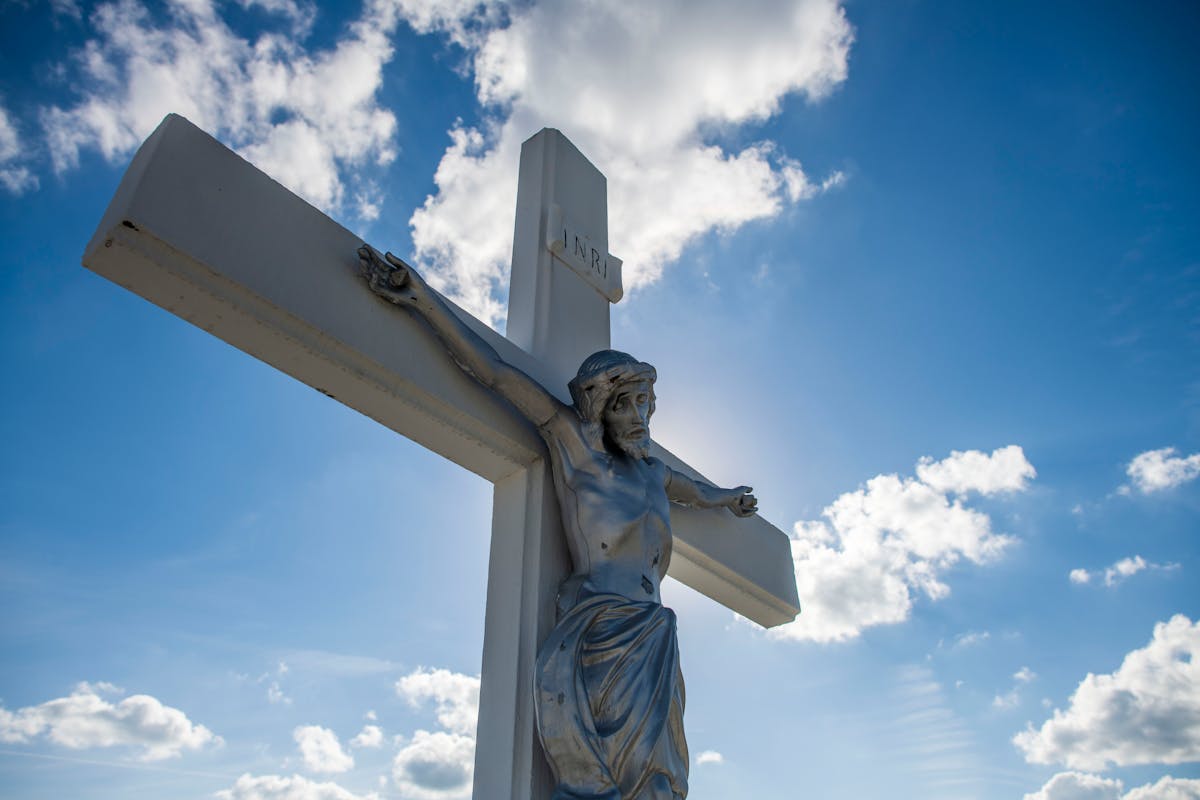
The Scars Revealed A Savior Who Does Not Erase Humanity
Resurrection did not make Jesus less human. It revealed humanity healed, lifted, and transformed. His body could enter locked rooms, yet it could still be seen, touched, and recognized.
That is a stunning balance. The scars show that God did not treat human flesh as disposable. Jesus did not escape the body as if it were a prisoner. He redeemed it, raised it, and carried its story into glory.
The Marks Became Heaven’s Permanent Testimony
The image of Jesus as the slain Lamb gives the scars an eternal meaning. In Christian imagination, heaven does not forget the cross. The throne is not occupied by power that never suffered, but by power that conquered through sacrifice.
That is why the wounds matter so deeply. They are not ugly leftovers from Friday. They are the royal marks of Sunday. They tell the universe that the One who reigns is the One who bled, loved, forgave, and rose.
Jesus kept His execution scars because resurrection did not delete the cross. It transformed it. The wounds became proof, comfort, memory, warning, invitation, and glory all at once.
A scar usually says something painful happened here. In the risen body of Jesus, the scars say something greater. Death happened here, but it did not have the final word.