Darkness Killed the Dinosaurs: How a 66-Million-Year-Old Asteroid Starved the Oceans.
Sixty-six million years ago, Earth’s oceans went dark. The Chicxulub asteroid struck with unimaginable force, sending dust and soot skyward for years. Sunlight vanished, oceans chilled, and life teetered on the brink. Yet fossils reveal a shocking twist: the dimmest, coldest waters clung to life far better than the sun-soaked tropics. Scientists have long puzzled over why. Now, a groundbreaking digital ocean model provides the answer to energy collapse from prolonged darkness, not cold or acid, dictated survival.
The revelation flips decades of assumptions about the mass extinction. Life didn’t perish at random; it was an energy-driven struggle in which size and adaptability determined who would scrape by and who would vanish forever. This story is written not in headlines, but in calories and light, etched across microscopic plankton and mirrored up the food chain to sharks, mollusks, and rays.
A Catastrophic Chain Reaction

The asteroid’s impact left a crater in what is now Mexico and unleashed a perfect storm: wildfires ignited continents, dust and soot blotted out the sun, acid seeped into the seas, and temperatures plunged. Sorting which of these horrors caused the most death had been impossible until scientists approached the problem from the base of the food chain: plankton.
Tiny drifters in the ocean tell the story vividly. Shelled plankton, burdened by chalky exteriors, perished en masse. Small, flexible feeders survived, hinting that survival depended on efficiency and adaptability. By modeling the ocean digitally, researchers watched extinction unfold from the bottom up, a perspective impossible to capture from rocks alone.
The asteroid’s effects weren’t confined to one hemisphere. Sediment cores indicate global disruption: nutrient cycles collapsed, oxygen levels dipped in surface waters, and sunlight-starved regions saw dramatic reductions in photosynthetic activity. These conditions propagated up the food chain, affecting creatures that depended on plankton as the primary energy source.
Darkness, Not Cold, Was the True Killer
Within three years, surface waters dropped from around 79°F to 54°F, yet cold alone could not explain the die-off. Instead, the absence of sunlight decimated photosynthesis, collapsing primary food sources. The ancient “impact winter” was real, and it starved the oceans from the bottom up. Polar species, accustomed to dim, turbulent waters, survived, while sun-loving tropical organisms perished.
The lesson is clear: survival hinged on two factors. Small organisms could survive on minimal energy, while tolerance for gloom allowed polar-adapted species to persist. The largest casualties were the shelled microorganisms called foraminifera. Their mineral-building demands made them energy-intensive, and without light-driven food, they disappeared entirely.
Interestingly, this explains fossil anomalies that have long baffled paleontologists. Shelled plankton disappeared even in nutrient-rich waters, while tiny, flexible species in harsher, darker environments survived. It turns out resilience wasn’t about abundance but adaptability and energy efficiency, a principle that echoes across every mass extinction event in Earth’s history.
Energy Budgets Dictated Survival
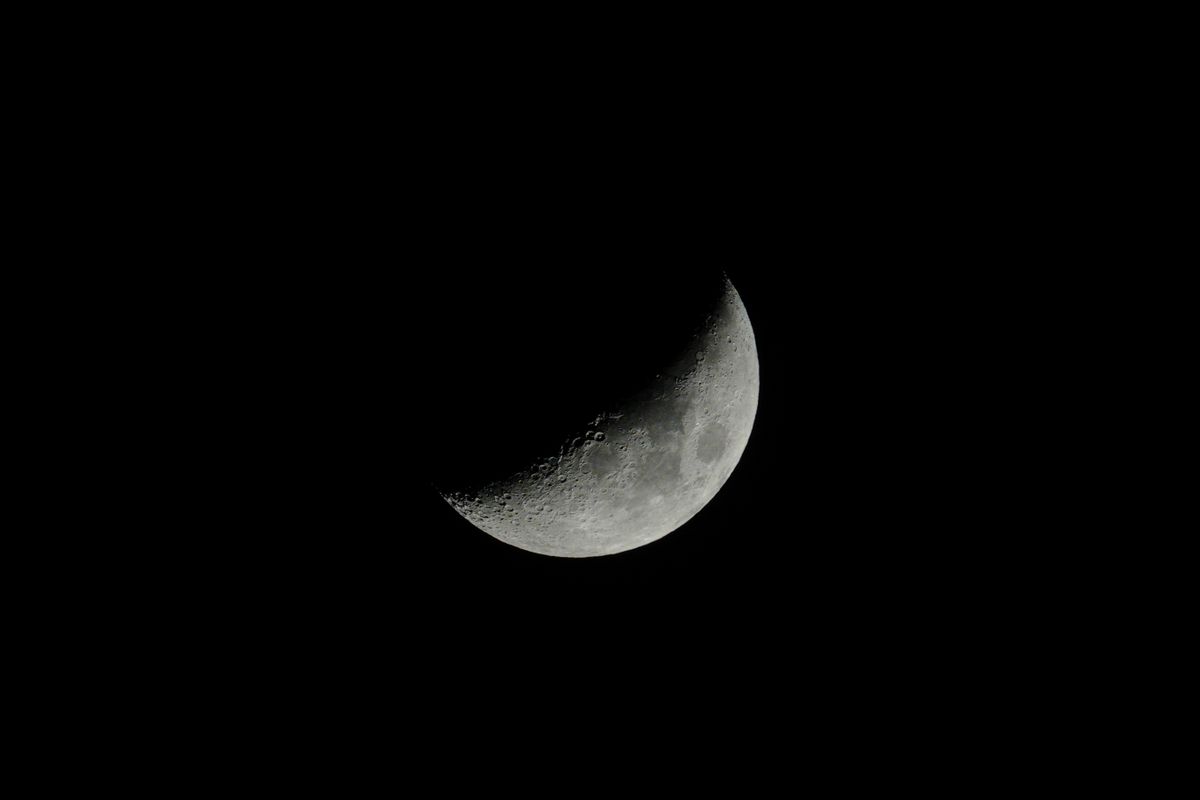
Extinction boiled down to energy economics. Darkness slashed available energy; body size dictated consumption. Flexible feeders, capable of switching diets, survived by hedging against scarce food. This principle extends to all marine life: sharks, rays, mollusks, and even planktonic giants were vulnerable if their caloric needs exceeded what the sun-starved ocean could supply.
Acidification, long considered a major driver of extinction, played a surprisingly minor role. Although the asteroid released massive CO₂ into the atmosphere, the model reproduced observed extinction patterns without simulating corrosive waters.
While acid may have exacerbated stresses, it was hunger in the dark that emptied ancient seas. This finding fundamentally shifts the narrative of the K–Pg extinction, emphasizing energy collapse over chemical attack.
The Role of Plankton Diversity
Plankton were the keystone of marine ecosystems. By simulating diverse traits such as body size, feeding strategies, and light requirements, researchers could see precisely why some survived while others vanished. Small-bodied plankton needed less energy and survived on minimal food.
Organisms adapted to dim, high-latitude waters were already primed for low-light conditions and survived more readily. This selective survival explains why life persisted unevenly across the oceans. Some coastal areas retained rich biodiversity, while equatorial regions experienced near-total collapse.
The digital model demonstrates that energy availability and ecological specialization controlled survival in ways that temperature and acidity alone could not.
Long-Term Ocean Impacts
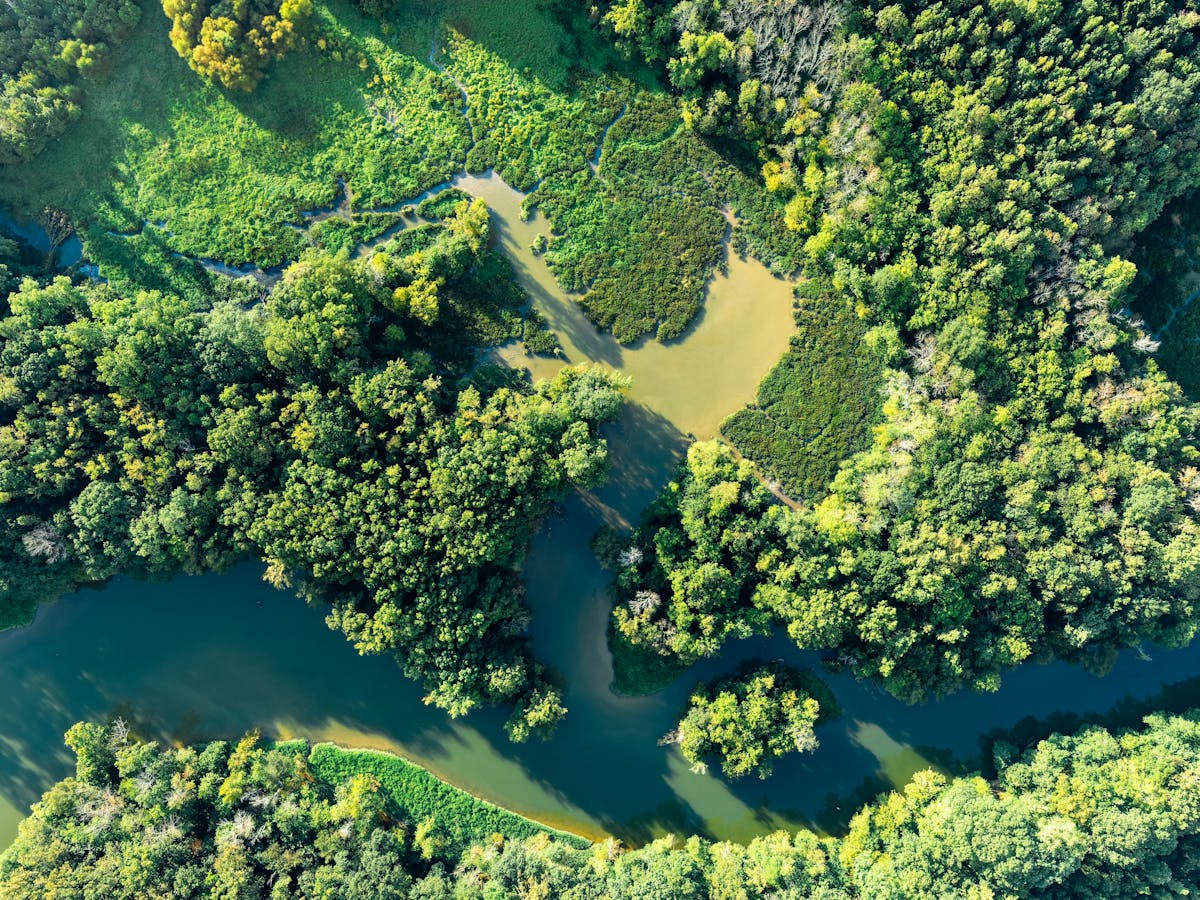
The asteroid’s aftermath reshaped marine ecosystems for decades. Surface cooling and light deprivation affected nutrient cycling, slowing primary production and reducing oxygen levels in deeper waters. These cascading effects limited the recovery of large, shelled organisms for generations, creating a bottleneck that delayed ecological rebound.
Meanwhile, surviving species, including small plankton, adaptable mollusks, and hardy deep-water fish, formed the foundation for post-extinction recovery.
By understanding the energy-driven survival rules, scientists can better predict how marine ecosystems might respond to future disturbances, including those driven by modern climate change.ge.
Digital Ocean Unlocks Ancient Secrets
The team created a virtual Late Cretaceous ocean, simulating plankton with traits such as size, feeding style, and light requirements. The model tracked survival over the first century after impact, revealing a brutal truth: only organisms smaller than a tenth of a human hair survived prolonged darkness.
Flexibility and low energy demand became life-saving traits. The results mirrored the fossil record, giving unprecedented insight into why the oceans emptied of their shelled inhabitants.
This approach also demonstrated the importance of energy flow and survival thresholds, highlighting a principle that transcends time: in extreme conditions, energy management determines who survives.
Implications for Modern Oceans

The study’s insights extend to today’s oceans. As warming, stratification, and localized shading alter light availability, plankton and higher-trophic species face energy constraints similar to those observed during the K–Pg extinction.
Understanding energy budgets and adaptive traits provides a predictive tool for assessing vulnerability under climate change. By turning a 66-million-year-old mystery into a working principle, the research highlights how light, energy, and size dictated survival.
Modern conservation and oceanography can apply these rules to forecast which species may thrive or perish as our planet continues to change.
The Legacy of Darkness
The Chicxulub asteroid did more than wipe out the dinosaurs. It rewrote the rules of marine survival. Life persisted only where energy intake matched demand, teaching a universal lesson about resilience in extreme environments.
Darkness, not cold or acid, starved the oceans, but it also highlighted the adaptability that allowed some species to endure, seeding the recovery of life on a dramatically altered Earth.