Netanyahu Responds as Mamdani’s ICC Warrant Debate Puts New York in the Global Spotlight
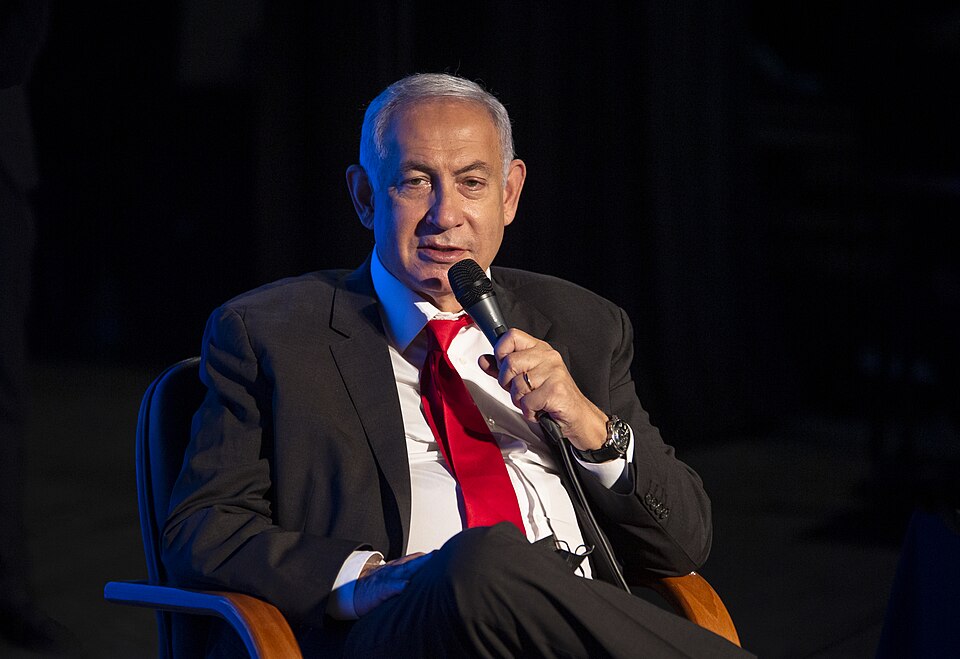
A New York dispute has become an international political battle: A planned trip to New York for the United Nations General Assembly has turned into a major political confrontation involving one of the world’s most recognized leaders and one of America’s newest mayors.
Israeli Prime Minister Benjamin Netanyahu is pushing back against New York Mayor Zohran Mamdani after the mayor called for action related to an International Criminal Court warrant connected to allegations involving the Gaza war.
The disagreement has quickly moved beyond City Hall, becoming a debate over international law, the limits of local government power, free speech, and the role of American cities in global conflicts.
Netanyahu has said he still plans to attend the United Nations General Assembly in New York in September despite Mamdani’s criticism. He has accused the mayor of “fomenting hate” and dismissed the ICC allegations against him as false.
The clash raises a larger question: When international disputes arrive at America’s largest city, how much power does a local leader really have?
Mamdani explored arrest options but acknowledged legal limits
The controversy began after Mamdani said his administration was examining whether New York City could take action if Netanyahu visited the city.
The issue centered around an arrest warrant issued by the International Criminal Court in 2024 involving Netanyahu and former Israeli Defense Minister Yoav Gallant over alleged war crimes connected to the Gaza conflict.
Israeli officials have rejected the allegations and criticized the ICC’s decision.
After reviewing the matter, Mamdani acknowledged that New York City does not have independent legal authority to enforce the ICC warrant.
The mayor instead argued that the federal government would be the authority capable of addressing the matter and urged national officials to consider the ICC’s action.
The shift changed the conversation. What began as a question about whether a city could enforce an international warrant became a broader political dispute about diplomacy, accountability, and protest.
Netanyahu says Mamdani is targeting him unfairly
Netanyahu responded strongly to Mamdani’s comments, arguing that the mayor’s position crossed a line.
According to The Associated Press, Netanyahu accused Mamdani of “fomenting hate” after the mayor described him as responsible for actions connected to the Gaza conflict and supported efforts tied to the ICC warrant.
Netanyahu rejected the accusations against him and described the ICC case as illegitimate. He also defended his decision to attend the United Nations gathering in New York. The Israeli prime minister has maintained that Israel’s actions in Gaza are part of a security response following the Hamas attack on Israel in October 2023.
The dispute has placed two very different political messages against each other. Mamdani argues that international accountability should be taken seriously. Netanyahu argues that the ICC process is politically motivated and unfairly targets Israel.
Why the United Nations visit matters so much

The controversy has attracted attention because New York plays a unique role in world affairs. The United Nations headquarters are located in Manhattan, making the city a regular meeting point for presidents, prime ministers, diplomats, and international organizations.
Every year, the General Assembly brings world leaders to New York for discussions on global conflicts, security, economics, and humanitarian issues. Because of that role, New York often becomes the location where international disputes spill into American public debate.
A foreign leader’s visit can involve complicated questions about security, diplomacy, protests, and the responsibilities of local officials. The United Nations General Assembly remains one of the largest annual gatherings of world leaders, placing New York at the center of global attention.
The legal battle is more complicated than the political headlines
Although the debate has become highly political, the legal question is central. A mayor does not control American foreign policy, which the federal government primarily handles.
Legal experts cited by Reuters have noted that New York City does not have the authority to enforce the ICC warrant against Netanyahu independently. The issue involves questions about U.S. membership in the ICC, diplomatic protections, and federal authority over international matters.
The United States is not a member of the International Criminal Court, adding another layer of complexity to discussions about enforcement. That means the controversy is not simply about whether city officials support or oppose Netanyahu. It is also about the limits of municipal power when international law and foreign policy collide.
Protest debate adds another layer of tension

After acknowledging the limits of his office, Mamdani encouraged New Yorkers who oppose Netanyahu’s visit to use peaceful protest. That message has become another major point of debate.
Supporters say demonstrations are part of New York’s long history of political expression and that residents should be able to oppose world leaders and government policies publicly.
Critics argue that the mayor’s comments risk increasing tensions around an already sensitive diplomatic event.
The city now faces a familiar but difficult challenge: protecting free expression while also maintaining security during a major international gathering.
New York has hosted protests surrounding wars, foreign governments, and global political movements for decades. This latest controversy fits into that long tradition.
A political showdown that reaches far beyond New York
For Mamdani, the Netanyahu dispute represents one of his biggest tests involving international politics. For Netanyahu, the controversy comes as he continues defending Israel’s conduct in Gaza and fighting criticism from international bodies. For New Yorkers, the issue highlights the unusual position of living in a city where global conflicts often become local debates.
The question is not only whether Netanyahu visits New York. It is whether a city known for welcoming world leaders can also become a place where those same leaders face some of their strongest opposition.
As September approaches, attention will turn to how officials handle the visit, how protesters respond, and whether the political dispute grows even further. The Netanyahu-Mamdani clash shows how quickly a local political decision can become part of a worldwide conversation.
The debate is no longer only about one mayor, one prime minister, or one U.N. visit. It is about the difficult balance between international law, national authority, local politics, and the right of citizens to make their voices heard.
When Netanyahu arrives in New York, the biggest story may not only be what happens inside the United Nations building, but what happens outside it among the millions of people watching.