Trump’s Right to Repair Push Could Cut Car Repair Costs for Drivers
A battle over who controls the technology inside modern vehicles is moving from repair shops to Washington. President Donald Trump’s June 29, 2026, memorandum directs the Environmental Protection Agency to reconsider how federal emissions rules affect drivers, independent mechanics, and companies that manufacture aftermarket car parts.
The move sounds sweeping, but it does not create a nationwide right to repair. Instead, it targets a narrow and heavily regulated part of the automotive industry: emissions systems. That includes catalytic converters, exhaust controls, sensors, and other equipment designed to limit vehicle pollution.
For drivers frustrated by dealership prices or limited replacement options, the memorandum could eventually create more choices. It could also lower barriers for small manufacturers and repair businesses. Still, major legal questions remain, and any changes must comply with the federal Clean Air Act.
What Trump’s Memorandum Actually Does
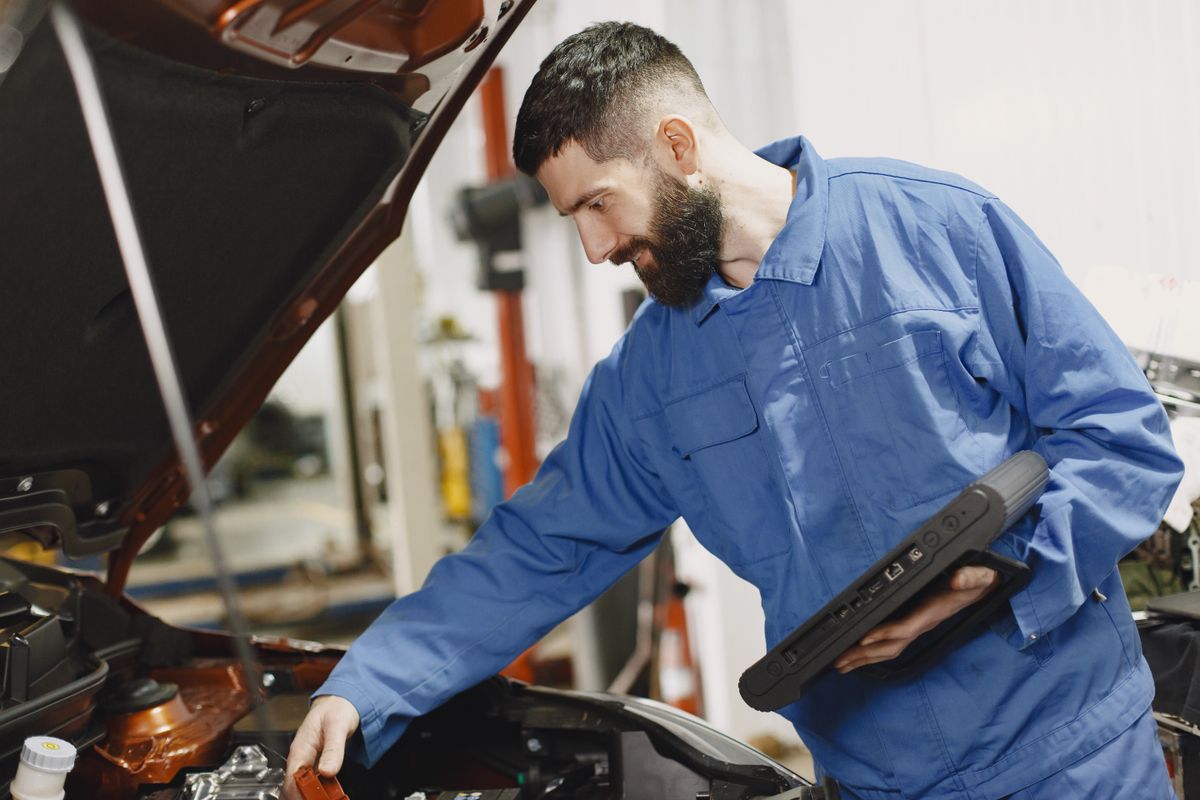
Federal law generally prohibits vehicle owners and repair shops from removing, bypassing, or disabling emissions equipment. A driver cannot legally eliminate a catalytic converter or alter a pollution control system simply to improve performance or avoid a costly repair.
The bigger issue involves replacement parts. When an independent shop installs an aftermarket emissions component, that part often needs certification showing it meets federal pollution standards. The California Air Resources Board currently plays the central role in approving many of those products.
That system has created a bottleneck. Certification can take more than a year, especially for smaller companies that may lack the money and staff required for extensive testing. Delays can reduce the number of legal parts available, raise prices, and make it harder for independent shops to compete with dealerships.
Trump’s memorandum tells the EPA to issue guidance within 30 days explaining what owners may do when repairing or modifying emissions systems without violating federal law. It also asks the agency to consider applications from other qualified organizations that could test and certify aftermarket parts.
Why Drivers Could Gain More Choices
Allowing more organizations to approve emissions components could give consumers access to a wider range of legal replacement parts. Greater competition could shorten approval times and reduce costs passed on to customers.
Independent mechanics could benefit as well. Local shops already handle brakes, batteries, engines, suspension work, and routine maintenance. Emissions repairs are more complicated because federal rules limit which parts may be installed and how certain systems can be changed.
The memorandum may also provide clearer rules for restoring vehicles to their original condition. It asks the EPA to consider deprioritizing civil enforcement against people who make good faith attempts to repair a vehicle rather than deliberately defeat pollution controls.
That language matters, but it is not a legal shield. The Clean Air Act remains in force, and the memorandum does not give drivers permission to tamper with emissions systems.
A National Right to Repair Has Not Arrived
Massachusetts and Maine remain the only states with comprehensive right-to-repair laws for vehicle owners. Massachusetts requires automakers to provide owners and independent shops with access to diagnostic information similar to what dealerships receive.
Maine voters approved a related law in 2023 supporting owner-controlled access to vehicle-generated data. The measure also called for a secure system through which drivers could authorize independent repair businesses to receive information from their vehicles.
Other states have adopted repair protections for electronics, household appliances, or agricultural equipment, but those laws generally do not cover cars and trucks.
Congress has also considered the federal REPAIR Act, which would expand access to vehicle data, tools, and repair information. That proposal addresses the broader repair debate more directly than Trump’s emissions-focused memorandum.
For now, the president’s action does not guarantee that a neighborhood mechanic will receive every software tool, diagnostic code, or technical document inside a modern vehicle. It also does not require automakers to share all repair information nationwide.
The Biggest Questions Remain
The EPA must decide how much flexibility it can provide without weakening Clean Air Act protections. It must also determine which organizations are qualified to certify aftermarket parts and what standards those groups must follow.
Political uncertainty could limit the policy’s impact. Because the memorandum does not rewrite federal law, a future administration could reverse the guidance. Companies may hesitate to invest in testing centers, new products, or supply chains if the rules could change after another election.
Automakers may resist policies that reduce dealership control or expand access to proprietary vehicle systems. Environmental groups could also challenge guidance they believe encourages tampering or weakens pollution enforcement.
What Car Owners Should Know
The memorandum could eventually make some emissions repairs cheaper, faster, and easier to obtain. It may open the market to more certified parts and give independent shops a stronger role.
Drivers should not assume they can remove pollution controls, install uncertified equipment, or modify an emissions system without consequences. Existing federal restrictions remain in place until the EPA publishes detailed guidance.
Trump’s action has opened a new front in the right-to-repair fight, but it has not settled it. The real impact will depend on what the EPA permits, how courts respond, and whether Congress creates lasting national rules.
For millions of drivers, the argument comes down to one simple question: Who gets to decide how, where, and at what price a vehicle can be repaired?