G7 Aligns Behind US-Iran Agreement as Middle East Diplomacy Reshapes Regional Security Architecture
The G7 has expressed unified support for a US-Iran agreement that leaders describe as a rare diplomatic opening capable of reducing tensions across the Middle East and stabilizing global energy and security routes. The statement, issued in Evian, reflects a coordinated push by major industrial democracies to transform a fragile bilateral understanding into a wider regional framework involving nuclear limitations, maritime security guarantees, ceasefires, and reconstruction efforts across multiple conflict zones.
Leaders emphasized that the agreement represents “a breakthrough and an opportunity” to prevent escalation and build a structured diplomatic follow-on process. That process, they noted, must be robust and comprehensive, extending beyond immediate de-escalation to address Iran’s nuclear capabilities, ballistic activity, and regional influence networks. The emphasis on follow-up negotiations signals that the current agreement is being treated as the opening phase of a longer diplomatic sequence rather than a final settlement.
The G7’s endorsement carries additional weight because it comes amid coordinated discussions with regional actors, including the United Arab Emirates, Qatar, and Egypt. These consultations highlight an effort to integrate Gulf and Arab stakeholders into the evolving framework, particularly as the agreement’s implications extend across shipping lanes, proxy conflicts, and energy markets.
US-Iran Agreement Expands Into Multi-Regional Security Framework
The agreement between the United States and Iran is being positioned as a foundational shift in regional diplomacy. According to G7 leaders, it provides a historic opportunity to prevent nuclear escalation while addressing broader instability tied to Iran’s regional role. The language of the statement underscores a dual objective: nuclear non-proliferation and containment of wider military escalation across the Middle East.
Leaked details referenced during the summit indicate that the memorandum includes significant economic incentives for Iran, including expanded access to oil markets, potential development financing mechanisms, and the gradual release of frozen assets. These components suggest that economic normalization is being used as leverage to secure compliance with diplomatic commitments. The structure reflects a classic incentive-based framework, balancing sanctions relief with strategic constraints on military and nuclear activities.
The agreement is expected to be formally announced in Switzerland, marking a neutral diplomatic venue consistent with past high-level negotiations. A 60-day negotiation window is anticipated to follow, during which technical committees and political representatives are expected to define verification mechanisms and implementation benchmarks.
Lebanon Ceasefire and Hezbollah Disarmament Efforts

The situation in Lebanon remains one of the most sensitive elements of the broader diplomatic framework. The G7 has called for an immediate and robust ceasefire in Lebanon, alongside renewed efforts by Lebanese authorities to assert control over armed groups operating within its territory, including Hezbollah.
The statement supports the principle of Lebanese sovereignty and territorial integrity, emphasizing the need for internationally backed security guarantees. France has reportedly been advancing proposals for a multinational stabilization force that could deploy in southern Lebanon following the anticipated withdrawal of a United Nations mission next year.
The issue of Hezbollah disarmament is particularly complex, given the group’s political integration within Lebanon and its military alignment with Iran. Any attempt to alter the balance of power within Lebanon carries significant risks of internal instability. The G7 framing places responsibility on Lebanese state institutions while simultaneously signaling international backing, creating a dual-track approach that combines domestic reform with external support.
Strait of Hormuz Security and Global Energy Stability
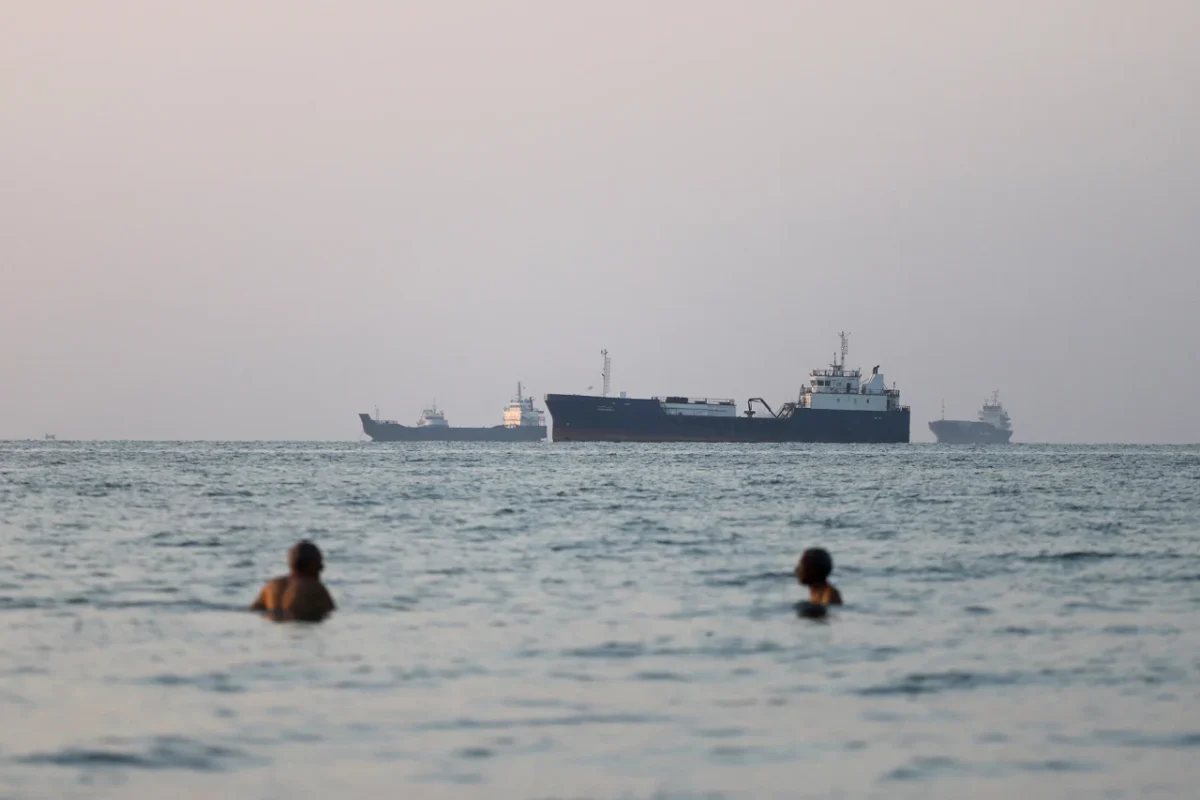
A central pillar of the G7 statement is the security of the Strait of Hormuz, a critical maritime passage through which a significant portion of global oil and liquefied natural gas shipments transit. Leaders stressed that the waterway must remain toll-free and fully open to commercial navigation under international law.
To reinforce this objective, France and the United Kingdom are expected to coordinate a defensive naval mission to protect merchant vessels and ensure the stability of maritime traffic. The initiative focuses on mine clearance, escort coordination, and deterrence of attacks on civilian shipping, rather than offensive operations. The objective is to restore confidence in global energy transport routes, which have been repeatedly disrupted by regional tensions.
The emphasis on maritime security reflects growing concern among G7 economies over supply chain vulnerability. Any disruption in the Strait of Hormuz has immediate consequences for global oil prices, inflationary pressures, and insurance markets. By embedding maritime security into the agreement’s framework, the G7 is effectively linking diplomatic progress with energy market stabilization.
Gaza Reconstruction and West Bank Violence
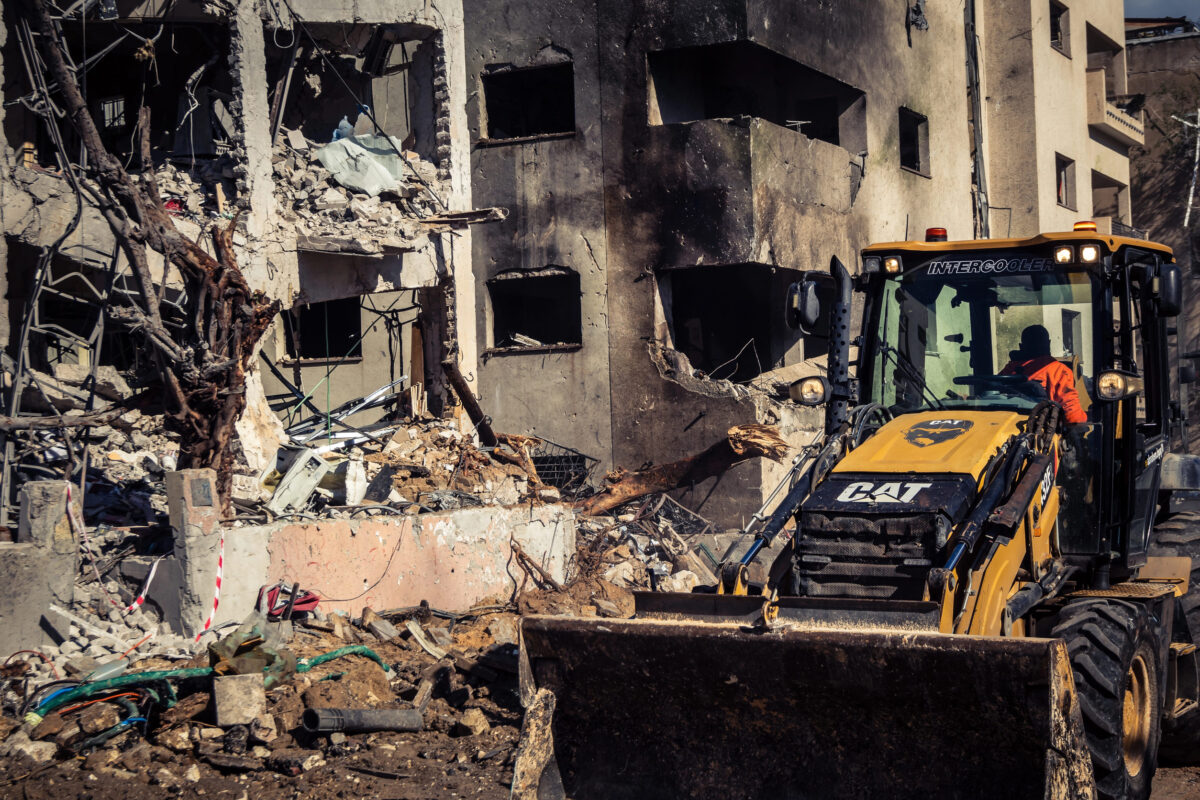
The G7 statement also addresses ongoing instability in Gaza and the West Bank. Leaders called for accelerated reconstruction efforts in Gaza, alongside the swift implementation of political and security measures designed to restore governance capacity and humanitarian access.
The reference to reconstruction acknowledges that long-term stability cannot be achieved without addressing humanitarian and infrastructure devastation. However, the statement avoids prescribing a detailed governance model, instead focusing on the enabling conditions for recovery and the normalization of security.
In the West Bank, G7 leaders expressed concern over rising violence, including attacks attributed to extremist settler groups. The call for an end to violence underscores increasing international pressure on all parties to reduce escalation in the occupied territories. Recent coordinated sanctions by France, Canada, the United Kingdom, Australia, and Norway against extremist individuals and organizations indicate a broader international effort to address destabilizing actors outside formal state structures.