8 Things That Can Happen If You Stop Cleaning Your Home
Skipping a few household chores might seem harmless, especially after a long day at work. But what happens when those dirty dishes, dusty shelves, and overflowing laundry baskets are ignored for weeks? The consequences can go far beyond an untidy living room.
A neglected home can gradually become a welcoming environment for pests, allergens, unpleasant odors, and harmful bacteria. According to the U.S. Environmental Protection Agency (EPA), Americans spend about 90% of their time indoors, making indoor conditions a key part of everyday well-being.
Here are eight things that could happen when routine household cleaning falls completely off your schedule.
Dust and Allergens Can Take Over Your Living Space
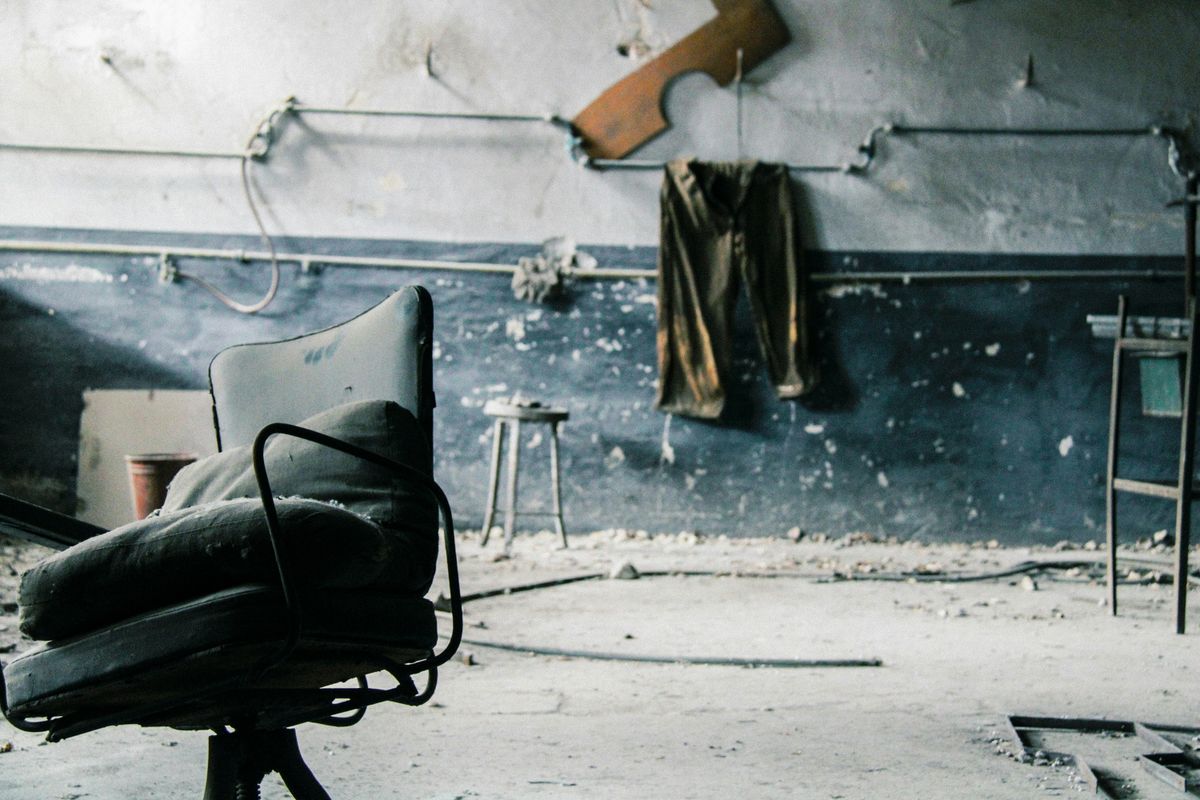
That thin layer of dust covering your furniture might not look particularly threatening. However, leave it undisturbed long enough, and your home can accumulate a surprising mixture of particles.
Household dust may contain pollen, pet dander, dust mites, skin flakes, and particles tracked indoors from outside. These materials can settle on carpets, curtains, furniture, and bedding.
According to the EPA, exposure to allergen-containing indoor dust can aggravate symptoms in people with asthma or allergies.
The agency recommends vacuuming carpets and furniture regularly, preferably with a vacuum equipped with a high-efficiency particulate air (HEPA) filter. Using a damp cloth to dust surfaces can also help prevent particles from becoming airborne.
If you constantly postpone dusting and vacuuming, the buildup can become increasingly noticeable.
A little dust doesn’t automatically mean your house is unhealthy, but letting it accumulate indefinitely isn’t particularly helpful either.
Cockroaches, Ants, and Rodents May Move In
You might think you’re living alone, but a neglected kitchen can still attract unwanted roommates.
Cockroaches, ants, and rodents look for easy access to food, water, and shelter. Unwashed dishes, scattered crumbs, and overflowing garbage can make a home more inviting.
The EPA explains that removing these resources is one of the most effective ways to prevent household pest problems.
Its recommendations include sealing food containers, cleaning spills, washing dirty dishes, and emptying garbage regularly.
Pests aren’t simply unpleasant to look at. Rodents and cockroaches can contaminate food and surfaces, while their droppings and body parts may contribute to indoor allergens.
Once pests establish themselves, eliminating them can require considerably more effort than basic preventive cleaning.
The easiest approach is to avoid providing an all-you-can-eat buffet in the first place.
Related Post:Why Your Home May Still Look Messy After Cleaning and What’s Really Causing It
Mold and Mildew Can Spread in Damp Areas
Bathrooms, kitchens, and basements can become problem areas when moisture goes unchecked.
Water collecting around sinks, leaking pipes, and damp surfaces create conditions in which mold can grow.
Ignoring routine cleaning can let small patches of visible mold or moisture problems go unnoticed until they become harder to address.
According to the Centers for Disease Control and Prevention (CDC), exposure to damp and moldy environments may cause symptoms such as coughing, wheezing, irritated eyes, and nasal congestion in some people.
Those with asthma, mold allergies, or weakened immune systems may face greater risks.
The CDC recommends keeping indoor humidity below 50%, repairing leaks, and removing visible mold while addressing the underlying moisture problem.
Simply wiping a damp wall without fixing the leak won’t solve the issue.
A clean-looking bathroom can hide problems, so checking corners, grout, and areas beneath sinks is just as important as scrubbing visible surfaces.
Your Kitchen Can Become a Food Safety Problem
Leaving dirty dishes in the sink overnight occasionally isn’t necessarily a disaster. But letting food residue, spills, and dirty prep surfaces build up can create avoidable food safety risks.
Raw meat juices, for example, can transfer harmful bacteria to countertops, utensils, and foods that won’t be cooked.
The CDC identifies cleaning as one of four essential steps to prevent food poisoning, along with separating foods, cooking thoroughly, and refrigerating promptly.
This is particularly important when preparing meals for children, older adults, pregnant women, or people with weakened immune systems.
Clean cutting boards, wash utensils after handling raw ingredients, and keep food-prep surfaces free of contamination.
You don’t have to disinfect every inch of your kitchen constantly. The CDC says ordinary cleaning with soap and water removes most germs from surfaces in typical household situations.
However, surfaces exposed to raw meat or its juices should be cleaned and appropriately sanitized.
A few minutes of kitchen cleanup can prevent much bigger problems later.
Unpleasant Odors Can Become Harder to Ignore
Have you ever walked into a house and immediately noticed a strange smell?
Sometimes, the source is obvious. An overflowing trash can, forgotten leftovers, or a sink full of dirty dishes can quickly make a kitchen unpleasant.
Other odors can be harder to identify.
Damp laundry, pet accidents, dirty carpets, and moisture trapped in poorly ventilated spaces may all contribute to unwanted smells.
Over time, occupants may become accustomed to familiar household odors and notice them less than visitors do.
Emptying the garbage, washing fabrics, cleaning pet areas, and checking for moisture problems generally offer longer-lasting solutions.
If a room smells persistently musty, investigate possible dampness rather than covering the odor with fragrance.
A fresh-smelling home usually begins with eliminating the source of unwanted odors, not simply adding another scented product.
Clutter Can Increase the Risk of Trips and Falls
A pile of shoes near the doorway might not seem dangerous until someone trips over it.
Cluttered hallways, loose objects, and crowded staircases can make it harder to move safely around your home.
This becomes especially concerning in households with older adults, young children, or anyone with mobility difficulties.
The CDC specifically recommends keeping floors free of clutter and removing tripping hazards to help prevent falls among older Americans.
It also encourages better household lighting and installing safety features where necessary.
The problem isn’t limited to obvious piles of belongings.
Stretched electrical cords, discarded packaging, and objects left on stairs can create hazards during everyday activities.
Keeping hallways and frequently used pathways clear is a practical first step.
You don’t need a picture-perfect living room. You need enough space to walk safely without navigating an obstacle course.
Your Bedding Can Accumulate Dust Mites and Allergens
Your bed might look comfortable and inviting, but skipping regular laundry can let allergens build up in the fabrics you use every night.
Bedding collects skin flakes, dust, and other particles through normal daily use.
Dust mites, microscopic organisms commonly found in homes, thrive in warm, humid environments.
Their allergens may trigger symptoms in sensitive people.
The EPA recommends washing bedding regularly, drying it completely, and using dust-resistant mattress and pillow covers where appropriate.
It specifically suggests washing bedding weekly in hot water when the fabric allows.
Pillows, comforters, and mattresses also benefit from maintenance according to their manufacturers’ instructions.
You don’t need to replace your bedding constantly, but ignoring it for extended periods can let dust and allergens build up.
Fresh sheets aren’t just a luxury reserved for expensive hotels. They’re part of keeping your bedroom comfortable.
Cleaning Becomes More Difficult the Longer You Avoid It
Perhaps the most frustrating consequence of abandoning household cleaning is how quickly small jobs can become overwhelming.
A few dirty plates turn into a sink full of dishes. One basket of laundry becomes several, while an untidy countertop gradually disappears beneath unopened mail and miscellaneous belongings.
Instead of spending a few minutes on individual chores, you may eventually face an entire weekend of catching up.
The situation can become particularly frustrating when dirt is left long enough to harden, stain surfaces, or require extra scrubbing.
Neglected maintenance may also make it harder to spot developing household problems, including leaks, damaged flooring, or pest activity.
The solution doesn’t have to involve spending hours cleaning every day.
Try breaking chores into manageable tasks, like washing dishes after meals, clearing countertops before bed, and choosing a regular day to vacuum.
Consistency can separate ordinary household maintenance from a major cleaning project.
How Often Should You Clean Your Home?
No universal cleaning schedule fits every household.
A family with several children and pets may need to clean certain areas more frequently than someone living alone.
However, the CDC recommends cleaning frequently touched surfaces regularly and cleaning other surfaces when visibly dirty or as needed. It also notes that routine disinfection usually isn’t necessary unless someone is sick or at increased risk of illness.
Focus on the areas that matter most: kitchens, bathrooms, frequently touched surfaces, bedding, and floors.
Don’t overlook moisture problems, food waste, or clutter that blocks walking areas.
Most importantly, avoid turning cleaning into an impossible standard. A home can be comfortable and reasonably clean without looking like a magazine photograph.
A Little Cleaning Can Prevent Bigger Problems
Nobody enjoys every household chore, and occasionally skipping the vacuum cleaner or postponing laundry is perfectly normal.
The real concern begins when basic cleaning and maintenance are ignored for extended periods.
Dust, pests, mold, odors, and clutter can gradually turn a comfortable living space into an unpleasant, potentially unsafe environment.
Fortunately, many of these problems can be reduced through simple, consistent habits rather than expensive cleaning products or complicated routines.
Sometimes, spending just a few minutes caring for your home today can save you hours of work and unnecessary trouble tomorrow.
Posts You Might Like: