The Science Behind Perfect Cooking: Why These Simple Tricks Work
Great cooking often looks like a combination of instinct, experience, and creativity. However, many techniques professional chefs use are based on predictable scientific principles. Understanding what happens to ingredients during cooking can transform simple habits into powerful tools. From resting meat to controlling caramelization, using precise baking ratios, and balancing seasoning, these methods work because they influence the chemistry and physics of food.
Why Resting Meat Makes It Juicier
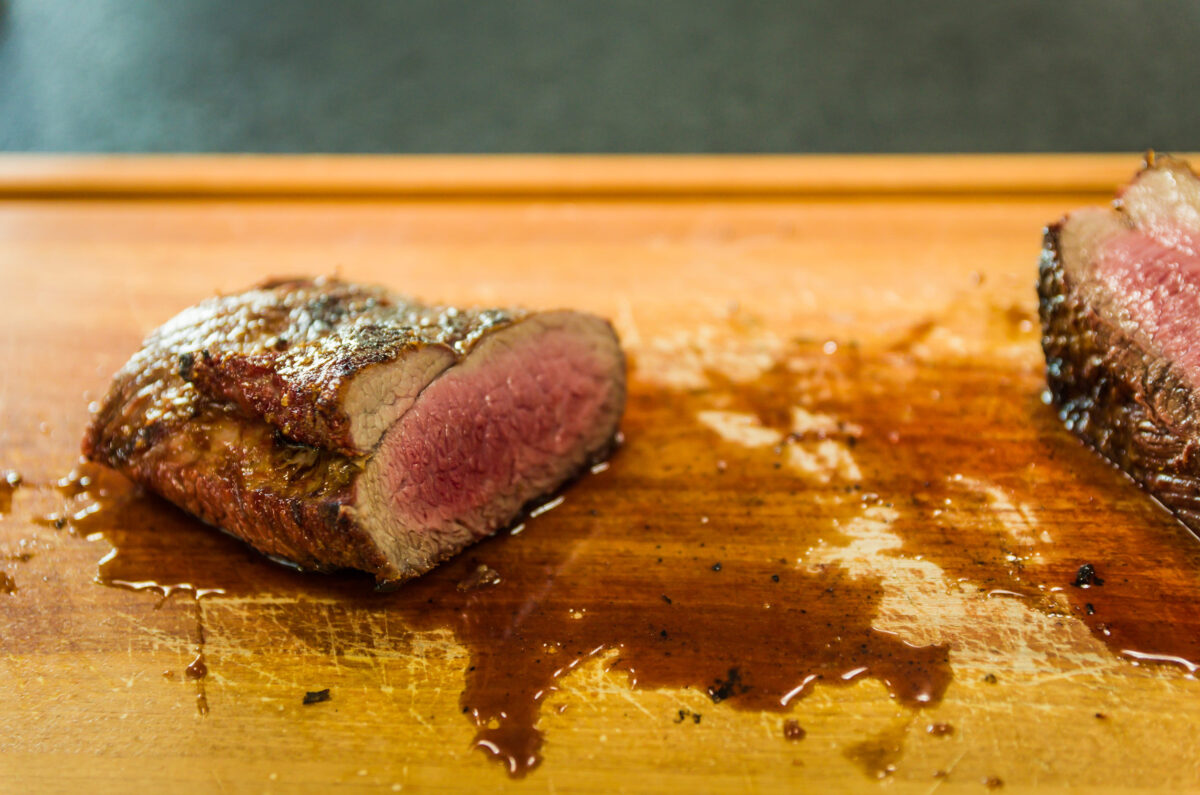
One of the most common recommendations after cooking a steak, roast, or chicken is to let it rest before slicing. This is not just a tradition. It is connected to how heat and moisture move through meat.
During cooking, muscle fibers contract and push moisture toward the center and surface of the meat. If you cut a hot piece of meat immediately, some of those juices can escape onto the cutting board instead of staying inside the food. Allowing the meat to rest gives the temperature time to stabilize and allows moisture to redistribute more evenly.
Resting also accounts for carryover cooking. When you remove meat from a heat source, the hotter outer layers keep transferring heat to the cooler center, causing the internal temperature to rise slightly. The amount depends on factors such as the cut’s size and density.
The exact resting time depends on the food. A small steak may only need a few minutes, while larger roasts require longer. The goal isn’t simply to wait, but to let the meat’s structure settle before serving.
The Chemistry of Browning: Caramelization and the Maillard Reaction
Many of the most appealing flavors in cooking come from browning. The golden crust on bread, the deep color of roasted vegetables, and the flavorful surface of seared meat all result from complex chemical reactions.
Two processes are especially important: caramelization and the Maillard reaction.
Caramelization occurs when sugars are heated and break down into new compounds that create deeper flavors, aromas, and brown colors. It creates the sweetness and complexity found in foods such as caramelized onions and desserts made with cooked sugar.
The Maillard reaction is different. It happens when amino acids and reducing sugars react under heat, producing hundreds of flavor and aroma compounds. This reaction creates much of the savory complexity in foods like roasted coffee, toasted bread, and browned meats.
A common misunderstanding is that searing meat “locks in” juices. In reality, searing creates flavor through browning rather than forming a waterproof barrier. The main benefit of a good sear is developing rich flavors and appealing textures through surface chemical reactions.
Managing moisture is essential for browning. If the surface of food is too wet, energy goes into evaporating water before the surface temperature rises enough for effective browning. This is why drying meat before cooking often improves crust formation.
Baking Is a Science of Ratios
Unlike many forms of cooking, baking depends heavily on precision. A small change in the amount of flour, fat, sugar, or liquid can significantly alter the final product because baking involves carefully controlled chemical reactions.
Recipes for cakes, breads, and pastries rely on ingredient ratios because each component has a specific role. Flour provides structure through starch and gluten formation. Eggs contribute proteins that set during heating and can also add richness and stability. Fats influence tenderness and texture, while sugars contribute sweetness, moisture retention, and browning.
For example, adding too much flour can create a dry, dense product because there isn’t enough moisture to hydrate the ingredients properly. Too much liquid can weaken structure and prevent a baked item from holding its shape.
Experienced bakers often think in terms of percentages rather than simple measurements. Professional baking often uses the weight of flour as a reference point, allowing recipes to scale accurately. This approach explains why baking can feel less forgiving than cooking: the balance between ingredients directly affects the finished food’s physical structure.
Seasoning Balance: More Than Just Adding Salt
Good seasoning is not simply about making food salty. It is about balancing different taste sensations, including saltiness, sweetness, acidity, bitterness, and umami.
Salt plays an important role because it can enhance the perception of other flavors. It doesn’t just make food taste salty; in appropriate amounts, it can reduce harsh bitterness and highlight desirable flavors.
Acidity from ingredients such as citrus juice or vinegar can brighten dishes by adding contrast, especially in rich or fatty foods. Sweetness can soften sharp flavors, while bitterness can add complexity when used carefully.
Professional cooks often adjust seasoning gradually because flavors change during cooking. A sauce may become more concentrated as water evaporates, increasing the intensity of salt and other ingredients. Similarly, adding seasoning at different stages can affect how evenly flavors spread through a dish.
Temperature Control Is the Foundation of Good Cooking
Many cooking mistakes stem from misunderstanding heat. Cooking is not simply about applying more heat; it is about controlling how heat moves into food.
High temperatures help create browning and develop flavor quickly. Lower temperatures matter when cooking delicate foods or letting tougher cuts of meat tenderize over time. The right method depends on the ingredient and the desired result.
Even simple actions, such as preheating a pan or avoiding overcrowding, have scientific explanations. A crowded pan releases more moisture and lowers surface temperature, making steaming more likely than browning. A properly heated cooking surface allows food to develop better texture and flavor.
Cooking Better by Understanding Why
The best cooking techniques are not magic tricks. They are practical applications of chemistry, physics, and careful observation. Resting meat works because moisture and heat need time to stabilize. Browning creates flavor because heat transforms sugars and proteins. Baking succeeds because ingredient ratios control structure. Seasoning works because balance creates harmony between different tastes.
Once cooks understand these principles, recipes become more than instructions. They become guides you can adapt with confidence. The science behind cooking does not remove creativity from the kitchen. Instead, it gives cooks a deeper understanding of how to turn simple ingredients into better meals.