
The Foods Americans Waste Most May Not Be the Ones You Think
A new analysis of U.S. food-loss data has uncovered a surprising leader, and it is not the food most people would expect.
Food waste usually brings to mind forgotten leftovers, bruised fruit, or a carton of milk sitting too long in the refrigerator. But a new analysis published by Earth.Org on September 21, 2026, looks at the problem much earlier in the food journey, examining losses across different commodities and supply-chain stages using Food and Agriculture Organization data from 2000 through 2022. The biggest surprise is fruit juice, which recorded an average loss rate of 32.66%, far higher than the other major food groups studied. The new analysis of U.S. food-loss patterns also found average losses of 11.90% for vegetables, 6.99% for fruits, 2.17% for nuts and 2.06% for animal products.
Fruit Juice Is the Unexpected Leader
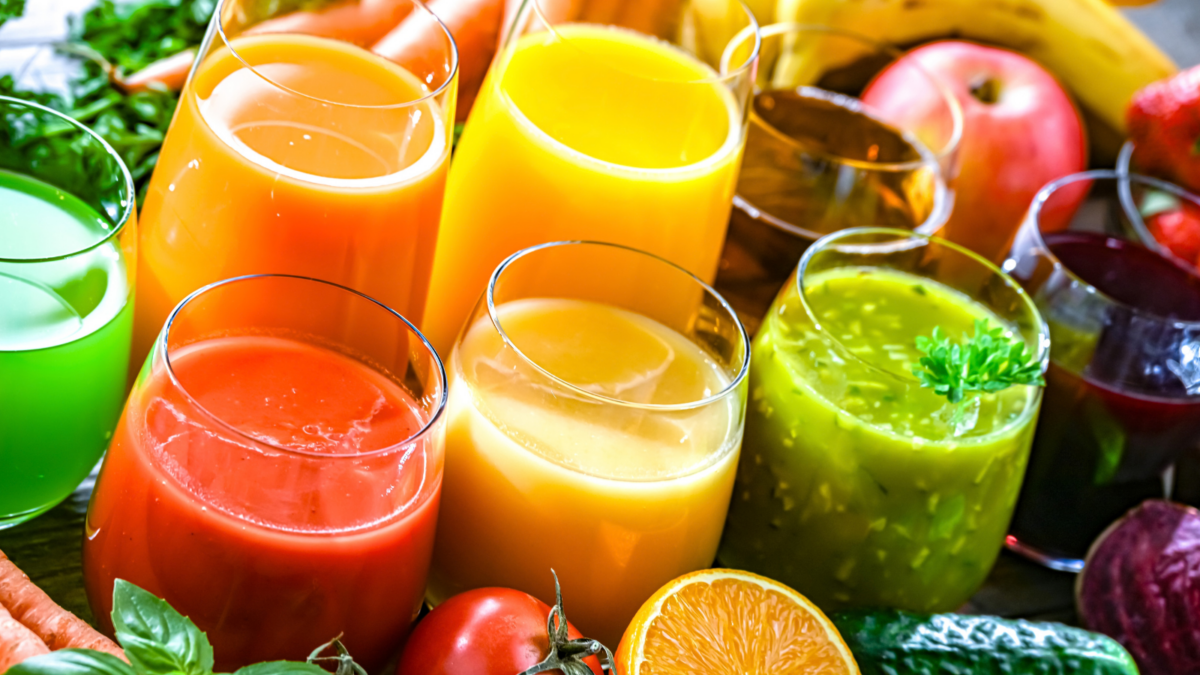
That glass of juice may have a much longer waste story behind it than most people realize.
According to the analysis, fruit juices had the highest average losses by a wide margin. The category included apple, grape, grapefruit, and orange juices, with half of the juice commodities showing losses between roughly 25% and 42%. Grapefruit juice had the highest individual loss within the group, followed closely by orange juice.
The figures do not mean that American households are throwing away a third of every bottle they purchase. The analysis combines data from different stages of the food system, including harvesting, retail, and other supply-chain processes. That distinction is important when turning a large national statistic into something happening in an actual kitchen.
Vegetables Are Another Trouble Spot
Fresh vegetables can look perfectly ordinary on the grocery shelf while still facing substantial losses.
Vegetables averaged an 11.90% loss rate in the analysis, but individual commodities varied considerably. Green garlic, tomatoes, okra, and spinach had elevated loss rates between 10% and 20%, while one vegetable commodity exceeded 60%.
At home, the problem can feel much more familiar. A forgotten bag of spinach, soft tomatoes, or herbs that never made it into dinner can quietly end up in the weekly trash. Simple planning and everyday habits that use food better can help reduce some of those household losses.
Food Loss Is Bigger Than Household Waste
An important difference exists between food being lost somewhere in the system and food being thrown away at home.
The USDA explains that food loss includes edible food available after harvest that is not consumed for reasons such as spoilage, natural shrinkage, cooking losses, and food waste. Its current explanation of food-loss estimates also shows why these figures can cover several stages between production and consumption.
That means the Earth.Org analysis should not be read as a list of the foods Americans personally throw away most often. Instead, it shows where particular commodities experience significant losses across the broader food system.
One Commodity Lost More Than 60%
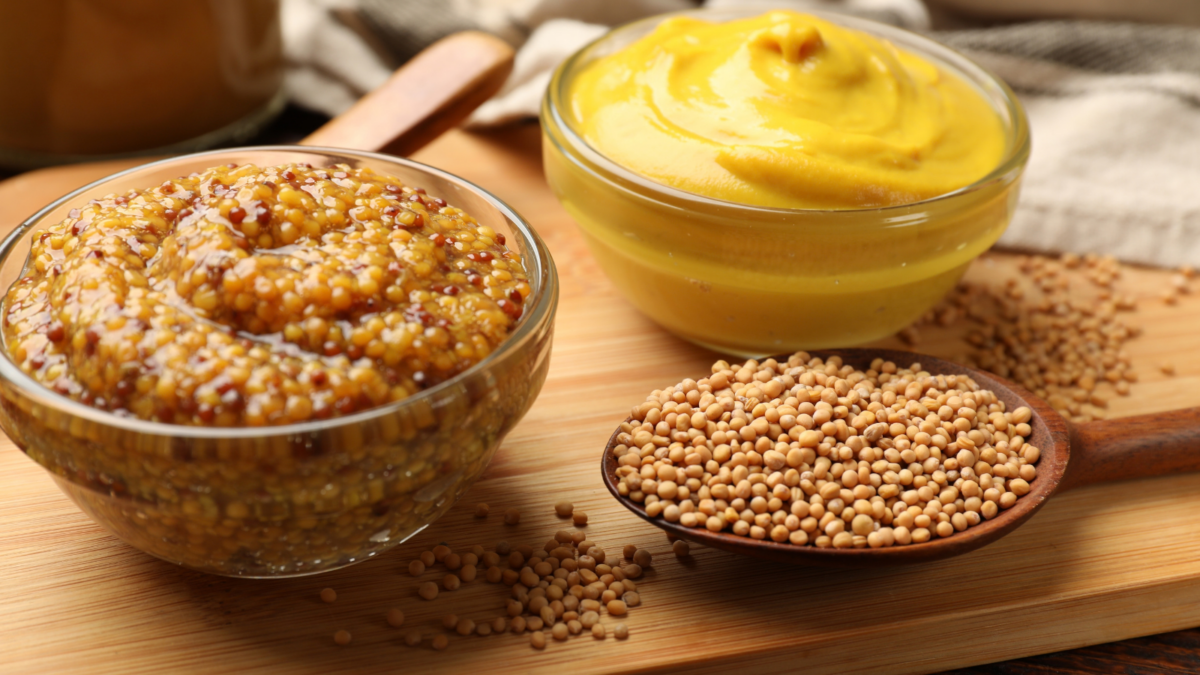
The most extreme individual result in the analysis was surprisingly small and familiar: mustard seed.
Mustard seed recorded a loss rate exceeding 60%, making it the highest individual commodity in the dataset. Meanwhile, sheep meat had a loss rate close to zero, and walnuts were around 0.33%.
The contrast shows why averages can sometimes hide the most interesting part of the story. Two foods sitting in completely different parts of the grocery store can have dramatically different loss patterns before they ever reach a consumer.
The Bigger U.S. Food-Waste Picture
The latest numbers suggest the country is making some progress, but the amount of surplus food remains enormous.
ReFED’s 2026 report estimates that the United States generated 70 million tons of surplus food in 2024, equivalent to about 29% of the country’s food supply. The organization also reported a 2.2% reduction from 2023, making 2024 the first year-to-year decline in total surplus food since the pandemic-related dip. The latest ReFED food-waste report puts the value of that surplus at about $380 billion.
For consumers, the issue can be much smaller and more practical: buying vegetables without a plan, cooking too much pasta, or forgetting leftovers until they are no longer appealing. Finding more interesting ways to use familiar foods can sometimes be enough to keep ingredients moving from the refrigerator to the dinner table.
The Waste Problem Starts Long Before Dinner
The new analysis makes one thing clear: food waste is not simply a household problem.
Losses can happen during harvesting, processing, transportation, retail, and consumption, and different foods behave very differently along that journey. Fruit juice stands out dramatically in the latest analysis, while nuts and animal products show much lower average losses.
That makes the solution more complicated than simply telling people to clean out their refrigerators. Reducing food loss may require changes throughout the supply chain. At the same time, households can still play their part by buying thoughtfully, storing food properly, and finding uses for ingredients before they spoil.
The surprising part may be that the food Americans waste most is not necessarily the food they notice wasting most. Which food do you find yourself throwing away most often at home—fresh produce, bread, leftovers, dairy, or something else?


