10 Countries Where Food Traditions Will Surprise Your Taste Buds
Travel is often about seeing famous landmarks, taking photos, and collecting memories. But one of the fastest ways to understand a place is to sit down and taste what local people have been eating for generations.
Around the world, many foods that seem unusual to outsiders are actually stories on a plate. They reveal how communities preserved food before refrigeration, adapted to their environments, celebrated traditions, and transformed simple ingredients into meaningful meals. “Unusual” is often just a matter of perspective. What surprises one traveler may be a treasured comfort food for someone else.
Sweden: Surströmming, the Famous Fermented Fish
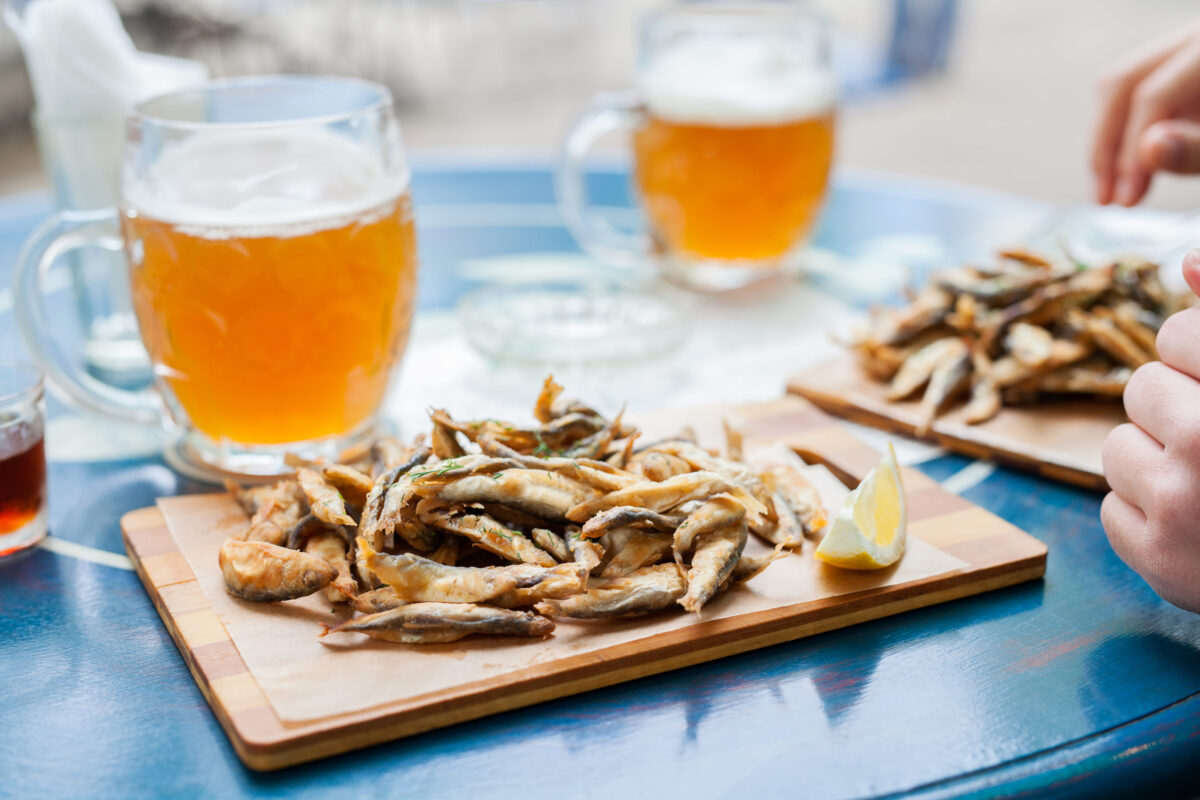
In northern Sweden, especially around the High Coast, locals have a long tradition of eating surströmming, fermented Baltic herring. The fish is lightly salted and fermented in a can, then served with flatbread, potatoes, onions, sour cream, and other toppings.
Many visitors first notice the smell. It is intense, sharp, and unlike most seafood experiences. But surströmming isn’t simply a “challenge food.” It comes from historic preservation methods that helped communities store fish through difficult seasons. Today, it remains a seasonal regional specialty rather than an everyday meal for most Swedes.
If you try it, follow local advice. Many people recommend opening the can outdoors because of the powerful aroma.
Iceland: Hákarl, the Shark With a Long History
Iceland’s hákarl is a fermented Greenland shark that is cured and dried before eating. It is famous for its strong ammonia-like smell and unusual texture.
The story behind hákarl is one of survival and resourcefulness. In the harsh North Atlantic environment, traditional preservation techniques helped communities make use of available resources. Today, it is strongly connected with Icelandic heritage and traditional celebrations rather than being a common daily food.
For travelers, hákarl is less about eating something strange and more about experiencing a piece of Iceland’s food history.
Philippines: Balut, More Than Just a Viral Food
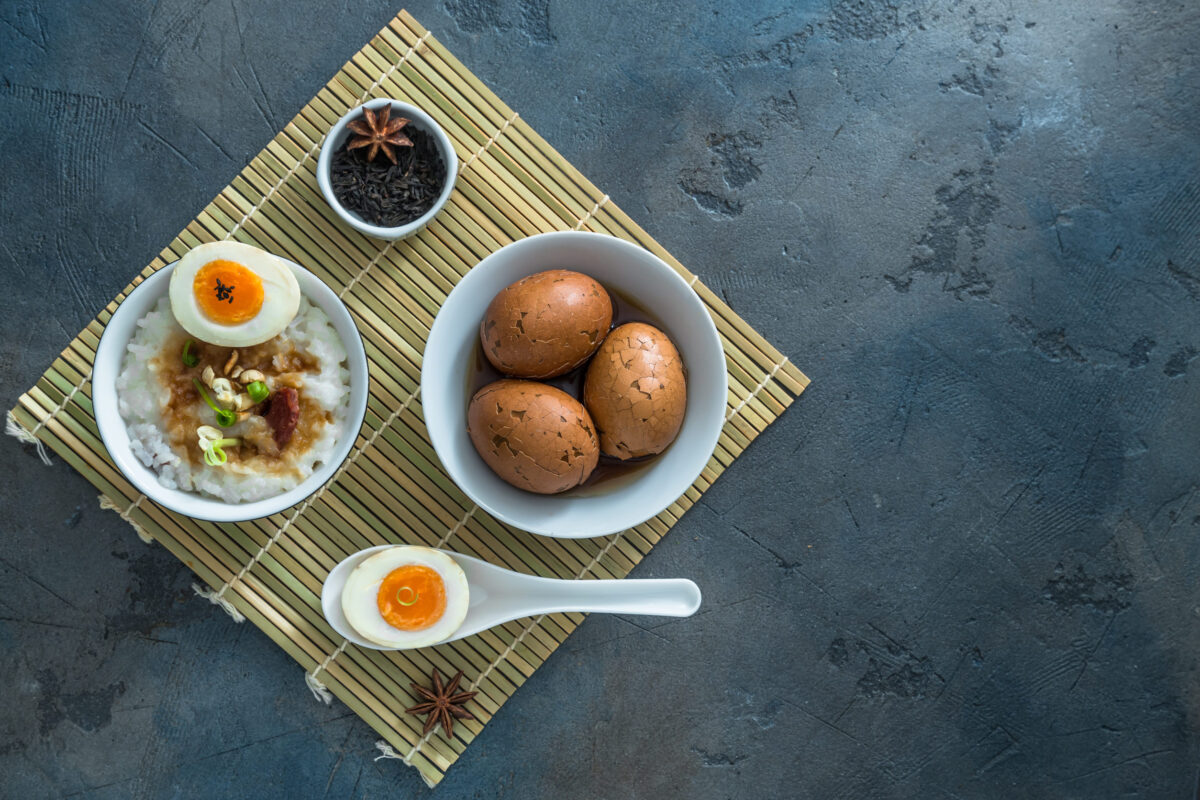
Few foods attract as much international curiosity as balut, a fertilized duck egg that has been incubated, boiled, and eaten from the shell.
For many visitors, eating an egg containing a partially developed embryo is unfamiliar. However, in the Philippines, balut is a recognized street snack connected to duck farming, food identity, and everyday vendor culture. It is commonly eaten with salt, vinegar, or chili.
Understanding the story behind balut often changes how people see the dish. It is not simply about surprise; it is about tradition.
Japan: Natto, the Sticky Breakfast Favorite
Japan’s natto shows that unusual textures can become beloved traditions. These fermented soybeans are known for their sticky strings and strong aroma.
Unlike many foods outsiders consider unusual, natto is not a rare curiosity. It is a familiar breakfast food in many Japanese households, especially in eastern Japan. Often mixed with soy sauce, mustard, or green onions and eaten with rice, natto represents the important role fermentation plays in Japanese cuisine.
For first-time visitors, the texture is usually the biggest surprise.
South Korea: Sannakji, Seafood at Its Freshest
South Korea’s sannakji is a seafood dish made from freshly prepared octopus, usually served with sesame oil and sesame seeds.
The most surprising part for many visitors is that pieces may continue moving after being cut because of residual nerve activity. It is not accurate to describe it as an animal “fighting back,” but the experience is certainly memorable.
Visitors who try sannakji should choose reputable restaurants and chew carefully.
Mexico: Huitlacoche, When Corn Fungus Becomes a Delicacy
In many places, corn fungus is considered a farming problem. In Mexico, huitlacoche is a valued ingredient.
This edible fungus grows on corn and is cooked with ingredients such as onion, garlic, chile, and herbs. It appears in dishes including quesadillas, tamales, and sauces. Rather than being viewed as waste, it represents Indigenous knowledge, agriculture, and a deep connection with local food traditions.
Its story is a reminder that one culture’s problem can become another culture’s delicacy.
Peru: Cuy, A Different View of Livestock
In the Andes, especially Peru and nearby regions, cuy, or guinea pig, has been raised as food for thousands of years.
For people from countries where guinea pigs are mainly pets, the idea can be surprising. But food traditions depend on culture and history. In Andean communities, cuy is connected with celebrations, farming practices, and regional cuisine.
Trying cuy offers travelers a chance to see how different societies understand food animals.
Cambodia: Fried Tarantulas, A Market Specialty
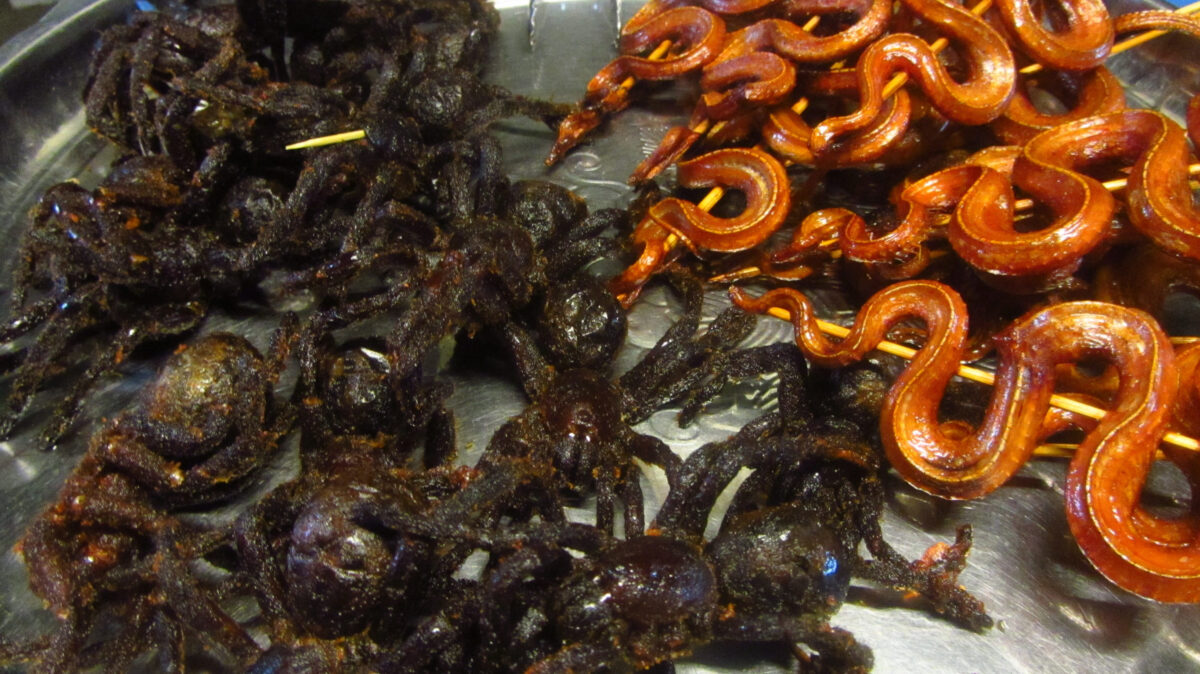
In Cambodia, especially around Skuon, fried tarantulas are a recognizable market snack. The spiders are deep-fried and seasoned, creating a crunchy dish that attracts both locals and curious visitors.
Although often presented online as an extreme food challenge, the tradition has a deeper story and should be understood within Cambodian food culture, not reduced to a simple dare.
A good traveler asks about a dish’s history, not just whether it looks unusual.
Namibia: Omajowa, A Mushroom From the Rain
Namibia’s omajowa mushrooms are a seasonal delicacy connected to rainfall, nature, and local ecological knowledge.
These large mushrooms grow near termite mounds and are cooked in stews, fried dishes, or preserved. Despite their connection to termite colonies, they are not made from termites. They are mushrooms that grow in relationship with the surrounding environment.
Their availability depends on the seasons, making them a special local food experience.
Greenland: Kiviak, An Arctic Preservation Tradition
Greenland’s kiviak is one of the world’s most distinctive preservation foods. Traditionally, people pack small seabirds into a seal skin and ferment them for months.
To outsiders, the method may seem unfamiliar, but it reflects Arctic survival knowledge and the importance of preserving food in challenging conditions. It is connected to Inuit communities, seasonal food practices, and cultural continuity.
The best way to experience foods like kiviak is with respect for the people and traditions behind them.
Food is one of the greatest ways to understand the world. A dish that looks strange at first often carries centuries of history, environmental knowledge, and human creativity. The next time you encounter an unfamiliar meal, look beyond the appearance and ask a better question: what story does this food tell?