10 Weight Loss Mistakes Quietly Wrecking Your Progress
Weight loss can feel discouraging when healthy choices don’t lead to immediate results. Progress rarely fails due to a single mistake. Instead, small habits that seem harmless, such as an occasional sweet drink, skipping a protein meal, or weekend overeating, can accumulate and undermine your efforts over time.
The good news is that most weight loss mistakes are easy to correct once identified. You do not need an extreme diet or restrictive routine. Instead, focus on habits that manage hunger, preserve muscle, support energy, and promote consistency.
These common weight-loss strategies slow fat loss, increase cravings, reduce energy levels, and make it difficult to maintain healthy habits.
Scale Obsession
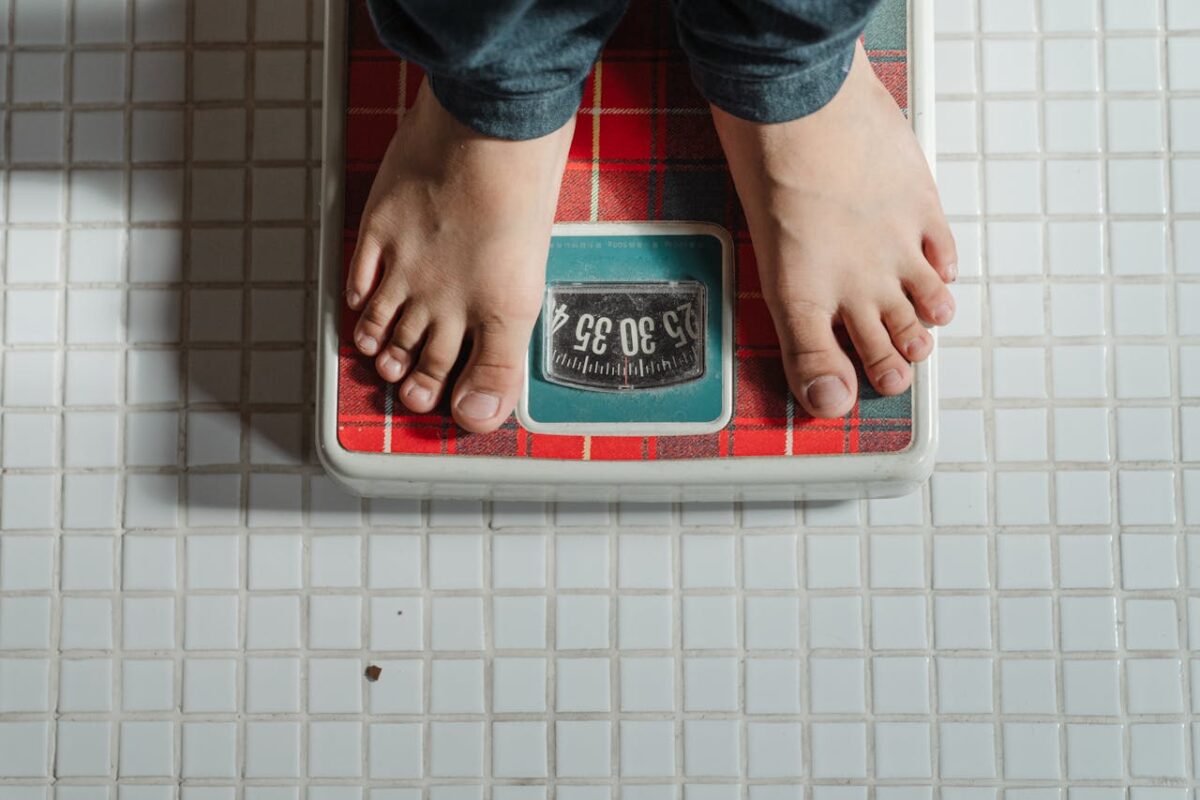
The scale is a useful tool, but weight can fluctuate due to water retention, salt intake, hormones, digestion, muscle soreness, stress, or undigested food. As a result, the number may increase even when you are making progress.
A better approach is to monitor additional indicators beyond weight, such as waist measurements, clothing fit, energy levels, strength, progress photos, and daily stamina. If your clothes fit better but the scale doesn’t reflect the change, your body may still be improving.
Crash Dieting
Eating too little may seem disciplined at first, and the scale may drop quickly. However, this often leads to increased hunger, reduced energy, more difficult workouts, and stronger cravings.
Sustainable fat loss requires a calorie deficit, but it should not feel punitive. A steady, manageable plan is more effective. The objective is to eat enough to maintain consistency while still making progress.
Healthy Overeating
Healthy foods can hinder weight loss if portion sizes are too large. Foods such as nuts, avocado, olive oil, granola, salmon, cheese, peanut butter, smoothies, and whole-grain bread are nutritious but can add significant calories quickly.
This mistake can feel discouraging because the foods are healthy. However, the body still processes their calories. The solution is portion awareness. Measure calorie-dense foods temporarily to understand serving sizes, then build meals with greater control.
Protein Gaps

A light breakfast can be counterproductive if it leads to increased snacking later in the day. Options like coffee, toast, fruit, or a small bowl of cereal often lack sufficient protein to manage hunger, which can intensify afternoon cravings.
Protein helps meals feel more satisfying. Eggs, Greek yogurt, chicken, fish, turkey, tofu, beans, lentils, cottage cheese, and lean meats are all effective options. Include a clear protein source in each meal to help manage appetite throughout the day.
Fiber Neglect
Fiber intake aids weight loss. It adds volume to meals, supports digestion, and helps you feel full longer. Without enough fiber, you can eat plenty of calories and still feel strangely unsatisfied.
Build meals around vegetables, beans, lentils, oats, berries, apples, chia seeds, and whole grains. A bowl of beans, vegetables, lean protein, and rice will usually keep you fuller than a pastry and a cup of coffee. Increase fiber gradually, though. Your stomach deserves a polite introduction, not a surprise party.
Liquid Calories
Drinks can wreck progress because they slide in without much chewing, fullness, or attention. Soda, sweet tea, juice, cocktails, flavored coffees, energy drinks, and creamy smoothies can add serious calories before the day even feels indulgent. One drink can undo a careful lunch without making it look like a full meal.
Start with the drinks you consume most often. Swap daily sugar-heavy options for water, sparkling water, unsweetened tea, black coffee, or lower-sugar choices. You do not have to remove every fun drink forever. You just need to stop letting liquid calories quietly run the budget.
Cardio Only

Cardio is excellent for heart health, endurance, mood, and calorie burn. The mistake is treating it as the only exercise that matters. If you lose weight without strength training, you may lose more muscle than you want, leaving you weaker and less toned.
Strength training gives your body a reason to keep muscle while you lose fat. You do not need a complicated gym plan to start. Squats, lunges, rows, presses, deadlifts, resistance bands, and bodyweight moves can all help. Two or three focused sessions per week can change how your body looks and feels.
Workout Payback
A hard workout can make people feel like they earned a food reward. That is where the trouble starts. Many people overestimate calories burned during exercise and underestimate how quickly snacks, lattes, muffins, and large meals can replace them.
Exercise should support weight loss, not become a permission slip to eat without structure. Keep moving because it improves health, strength, sleep, mood, and long-term maintenance. Just avoid paying yourself back with more calories than you burned during the workout.
Weekend Drift
Many people follow their plan from Monday to Friday, then let the weekend take over. Restaurant meals, drinks, desserts, late-night snacks, and Sunday comfort food can wipe out the week’s deficit. The worst part is that it still feels like you were “good” most of the time.
A smart weekend plan does not need to be boring. Eat protein before going out, choose one main indulgence, watch your sugar intake and alcohol, and avoid arriving at dinner starving. Flexible weekends work. Chaotic weekends are where progress quietly disappears.
Sleep Debt

Poor sleep makes weight loss harder by affecting hunger, cravings, mood, patience, and energy. When you are tired, high-calorie food looks more tempting, and exercise feels like a personal attack. Willpower gets weaker when the body is running on fumes.
Sleep is not a luxury in a weight loss plan. It is part of the plan. A consistent bedtime, less late-night scrolling, a cooler room, and a caffeine cutoff can make healthy choices easier the next day. You still need food control and movement, but they feel less brutal when you are rested.
Conclusion
The most damaging weight loss mistakes are often the quiet ones. They hide in oversized portions, sweet drinks, weak sleep, skipped protein, weekend overeating, and workouts that create more hunger than progress. None of these mistakes means you lack discipline. They mean your system needs a better structure.
Lasting weight loss works best when the plan feels repeatable. Eat enough protein, add more fiber, control liquid calories, lift weights, move consistently, sleep better, and stop treating the scale like the only judge. The goal is not to suffer harder. The goal is to build habits your body can trust long enough to change.