8 Places Humans Should Never Visit
Some places look beautiful from a distance because distance is the only safe way to love them. The world is full of beaches, deserts, mountains, caves, islands, and abandoned cities that seem made for bucket lists, but a few locations come with a quieter warning. They are not just risky. They are reminders that curiosity has limits.
Some are dangerous because nature is ruthless there. Others are off limits because human presence would destroy something rare, sacred, or scientifically important. A few carry histories so heavy that tourism can easily turn disrespectful. These are the places humans should never visit casually, and in some cases, should never visit at all.
North Sentinel Island, India
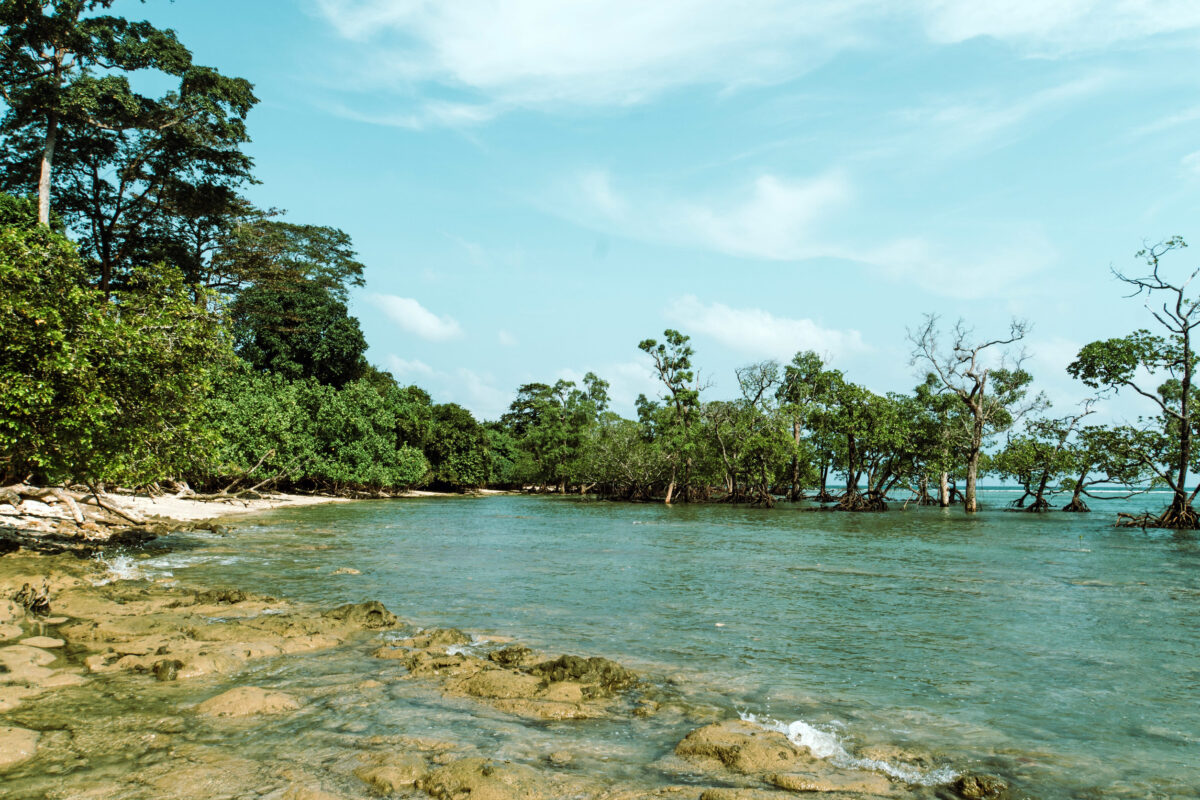
North Sentinel Island is one of the clearest examples of a place humans should leave alone. The island is home to the Sentinelese, an Indigenous community that has lived in isolation for generations and has repeatedly rejected outside contact. Their resistance is not a mystery to solve. It is a boundary.
The danger runs both ways. Outsiders could bring diseases that the Sentinelese have little immunity against, and visitors may be met with force because they are intruding on protected land. This island is not an adventure challenge. It is a living home, and the most respectful thing the outside world can do is stay away.
Ilha da Queimada Grande, Brasil
Ilha da Queimada Grande sounds like the kind of place a thriller writer invented after a bad dream. Better known as Snake Island, it sits off Brazil’s coast and is famous for the golden lancehead viper, a venomous snake found nowhere else in the world. The island is beautiful, green, and almost cinematic from afar.
Up close, that beauty becomes a warning sign. The snakes are endangered, the terrain is unforgiving, and public access is restricted for good reason. This is not a place for influencers, daredevils, or curious tourists with boats. Snake Island belongs to its ecosystem, and humans are the obvious intruders.
The Chornobyl Exclusion Zone, Ukraine
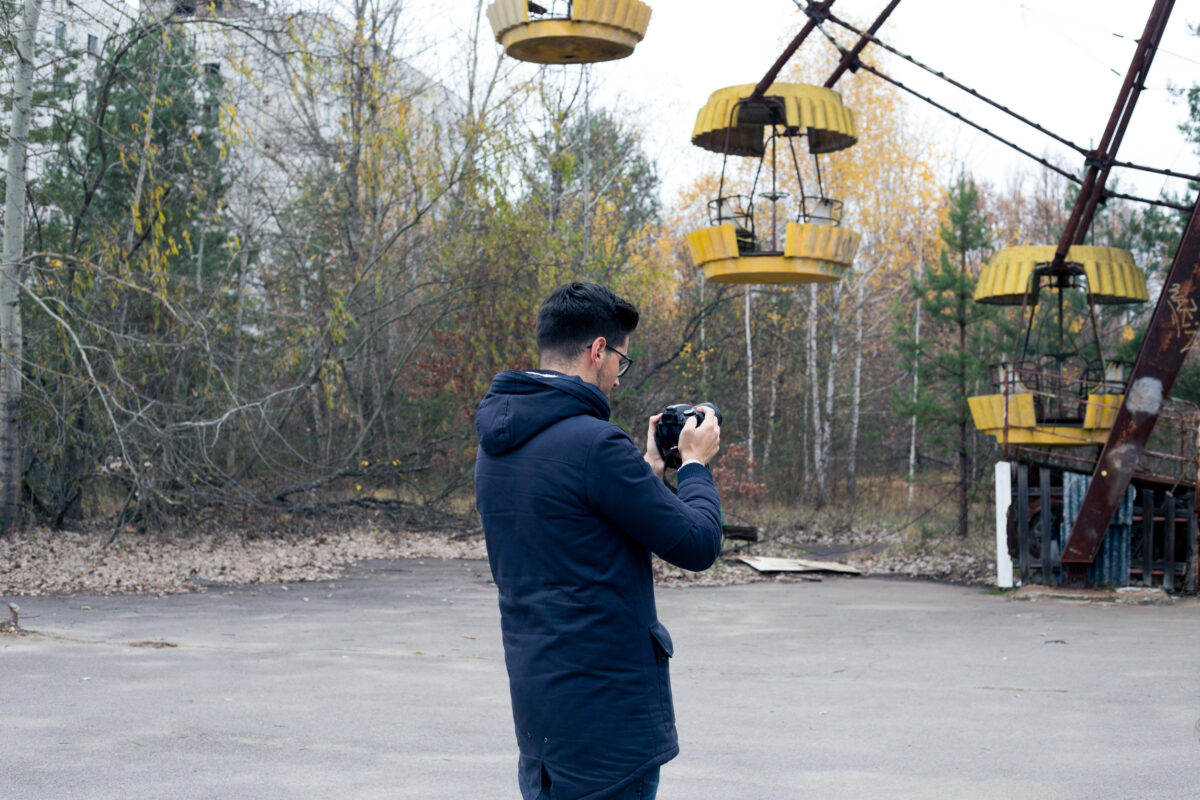
Chornobyl is not just an abandoned place. It is a world with roads, buildings, forests, and silence. The 1986 nuclear disaster turned the surrounding area into one of the most haunting landscapes on Earth, and for years it drew dark tourism from people who wanted to see Pripyat, empty schools, rusted rides, and the remains of a broken Soviet dream.
The problem is that Chornobyl is not a movie set. Radiation, restricted zones, unstable structures, and the ongoing consequences of war have made careless travel even more troubling. Some places demand study, remembrance, and controlled access, not casual sightseeing. Chornobyl deserves reverence, not selfies in gas masks.
Death Valley in the Brutal Heat, United States
Death Valley is legal to visit, and in cooler conditions, it can be breathtaking. The desert opens like another planet, with salt flats, painted hills, sand dunes, and skies that feel too large for human comfort. Still, its name is not decoration. In extreme heat, this landscape punishes arrogance quickly.
The danger is simple and terrifying. Heat can distort judgment before a person realizes they are in trouble. A short walk can turn into a medical emergency, and a stalled car can become a survival problem. Death Valley does not need to be avoided forever, but humans should never treat it like a casual summer stop.
Danakil Depression, Ethiopia
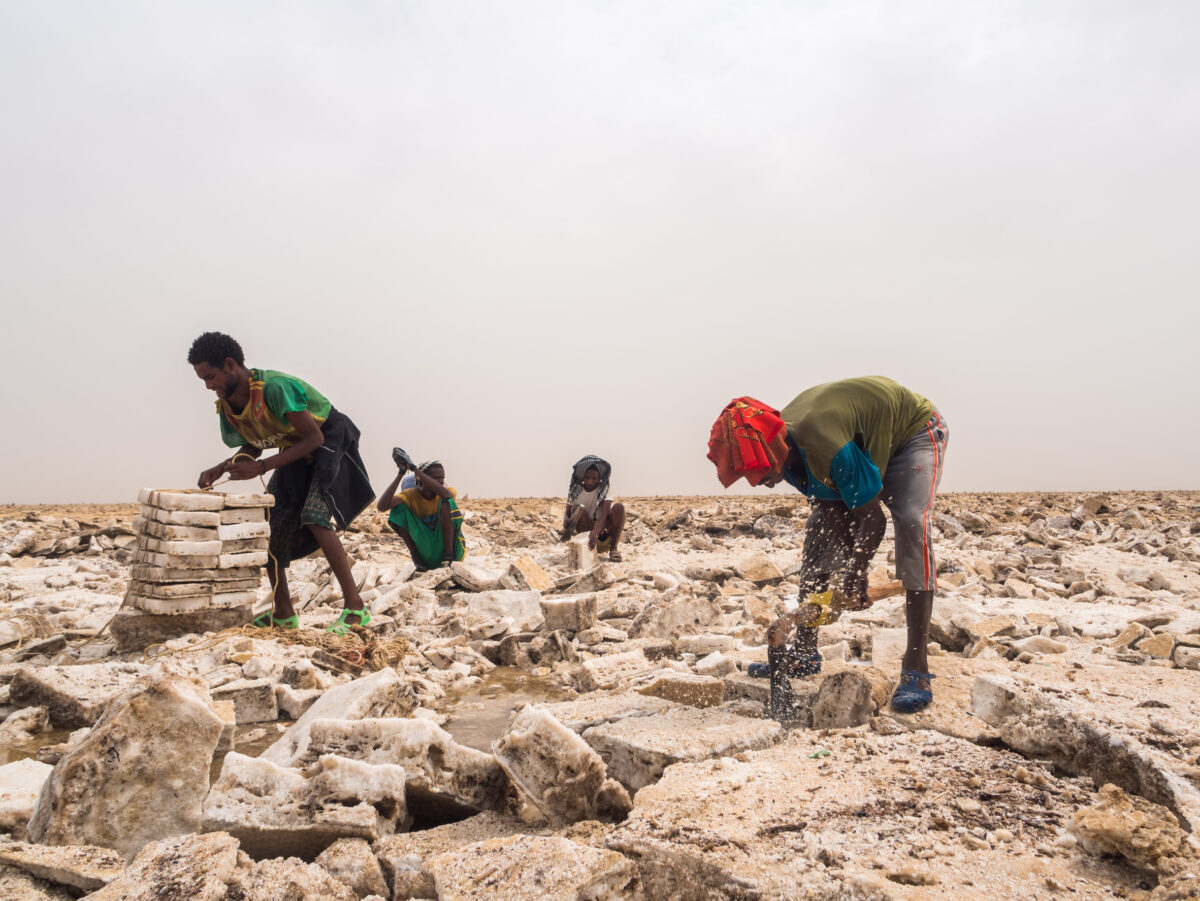
The Danakil Depression looks unreal because, in many ways, it feels built from the Earth’s harsher moods. It is a place of salt flats, volcanic activity, acid pools, fierce heat, and landscapes that seem closer to science fiction than ordinary travel. Photos make it look like a dream. The conditions make it something else entirely.
This is not a place for unprepared visitors chasing dramatic pictures. The heat can be brutal, the terrain can be difficult, water and medical options are limited, and parts of the region carry security risks. Danakil proves that beauty can be hostile. Some landscapes do not invite humans in. They tolerate them briefly, and only under strict control.
Mount Everest’s Death Zone
Everest is treated like the ultimate trophy, but the mountain does not care about human ambition. Above roughly 26,000 feet, the body enters what climbers call the death zone, where oxygen is so thin that every step costs more than pride can pay. The summit may be famous, but fame does not make it forgiving.
The real danger is not only the cold, the altitude, or the storms. It is the fantasy that determination can replace experience. Crowds, delays, exhaustion, and poor judgment can become deadly in a place where rescue is brutally difficult. Everest’s highest slopes are not a vacation destination. They are a test most humans have no business taking.
Surtsey Island, Iceland
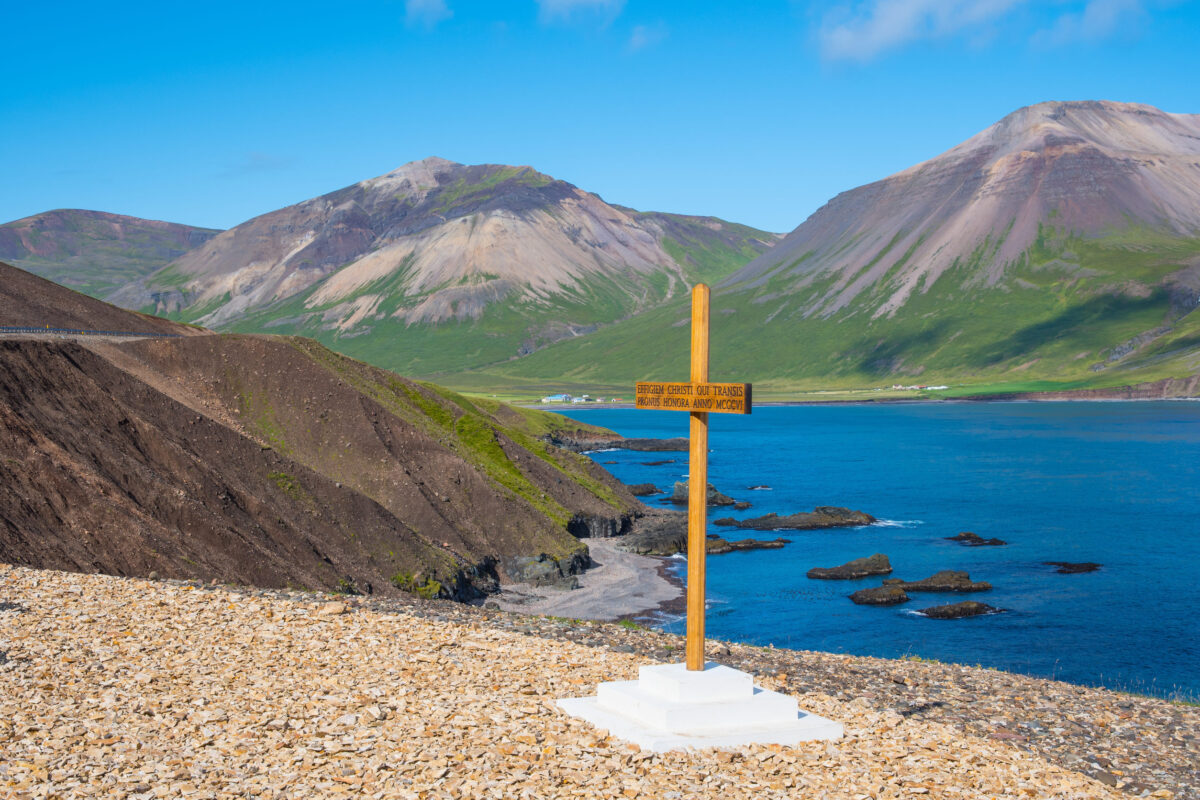
Surtsey is not dangerous in the usual dramatic way. It is dangerous because humans could ruin what makes it valuable. The volcanic island rose from the sea in the 1960s, giving scientists a rare opportunity to study how life colonizes new land without the usual human interference.
That is exactly why ordinary visitors should not go there. A seed stuck to a shoe, soil carried on clothing, or careless waste could interfere with a natural experiment decades in the making. Surtsey is a reminder that not every forbidden place hides a monster. Sometimes the danger is us.
The Original Lascaux Cave, France
The original Lascaux Cave is one of humanity’s great artistic treasures, filled with prehistoric paintings that survived thousands of years in darkness. Then modern visitors arrived, bringing breath, body heat, humidity, microbes, and the slow damage that comes when too many people enter a fragile space.
The cave was closed to the public for conservation, and that decision was a gift to the future. Replicas now allow people to experience the wonder without destroying the original. Lascaux teaches a humbling lesson. Sometimes loving a place means accepting that your presence is exactly what it cannot survive.
Conclusion
The most dangerous places on Earth are not always the ones with snakes, radiation, heat, or thin air. Sometimes the danger is human entitlement. We see a forbidden island and imagine conquest. We see an abandoned city and imagine content. We see a fragile cave or newborn island and imagine that one visit will not matter.
But one visit often does matter. It can endanger a protected community, damage a rare ecosystem, disrespect a tragedy, or risk a life for a story that was never worth the price. The world is still full of places we can visit, learn from, and love responsibly. These eight places remind us that wisdom is knowing when to stop at the edge, look from a distance, and let the world keep some of its secrets.