The Fridge Rules Nobody Told You: How to Keep Leftovers Safe and Tasty
We all have that moment: you open the fridge, find a container hiding at the back, and think, “Hmm… is this still food, or is it starting a new life form?”
Maybe it is yesterday’s rice. Maybe it is a chicken curry from “a few days ago.” Maybe it is a mysterious pasta dish you don’t remember making. The big question is always the same: Can I eat this, or should I say goodbye?
The truth is that food safety is less about becoming a kitchen detective and more about following a few simple habits. Food doesn’t always announce when it’s become unsafe. Sometimes it smells fine, looks fine, and still may contain harmful bacteria. Refrigeration slows bacterial growth, but it does not magically sterilize food.
So, let’s talk about the everyday foods that can surprise you.
Rice: Small grains, big responsibility
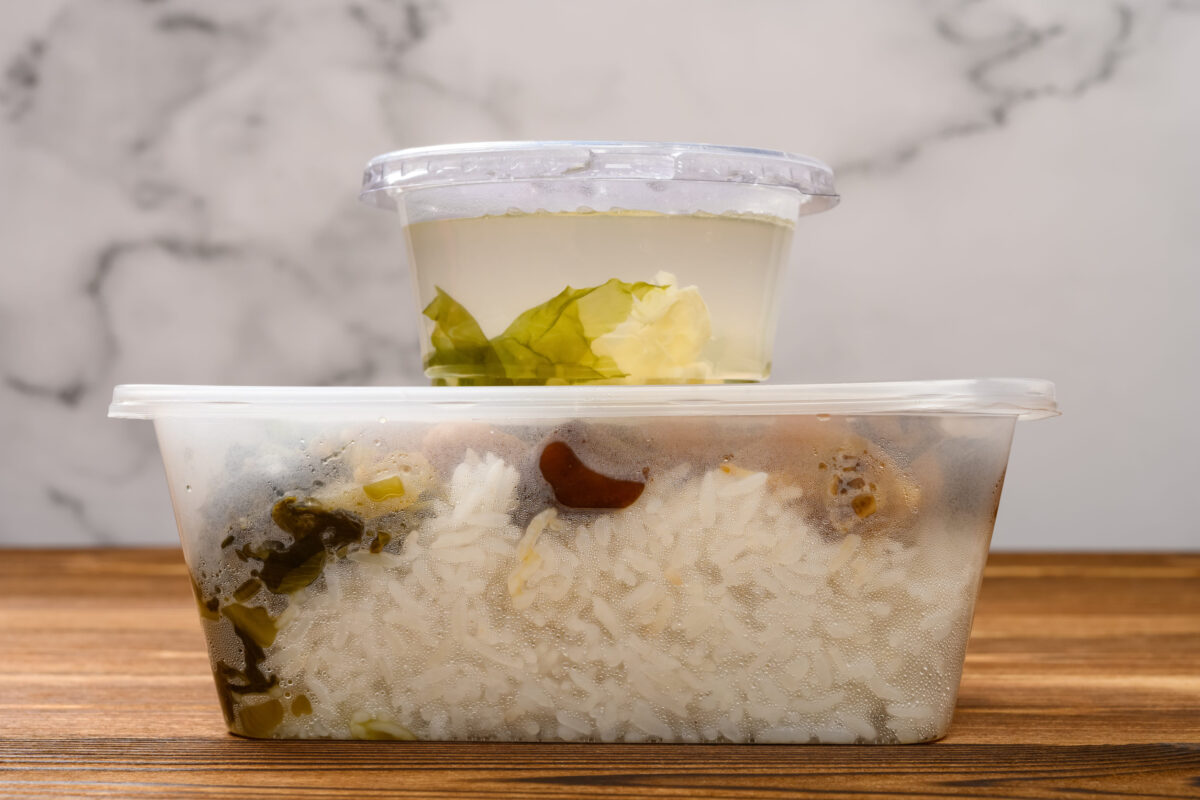
Rice seems harmless. It is the friendly side dish that shows up everywhere: fried rice, rice bowls, pilau, risotto, and meal-prep containers. But cooked rice can become risky when it sits around too long.
The problem is not the rice itself. The problem starts after cooking. Rice can contain spores from Bacillus cereus, a bacterium found in the environment. Cooking may kill many bacteria, but some spores can survive. If cooked rice sits warm for too long, those spores can grow and produce toxins.
The classic mistake? Leaving a big pot of rice on the counter “until it cools down.” A better move is to spread it into shallow containers and refrigerate it within about two hours. When you reheat it, make sure it gets properly hot, but remember, reheating cannot always fix food stored incorrectly.
Chicken: Delicious today, risky tomorrow if handled badly
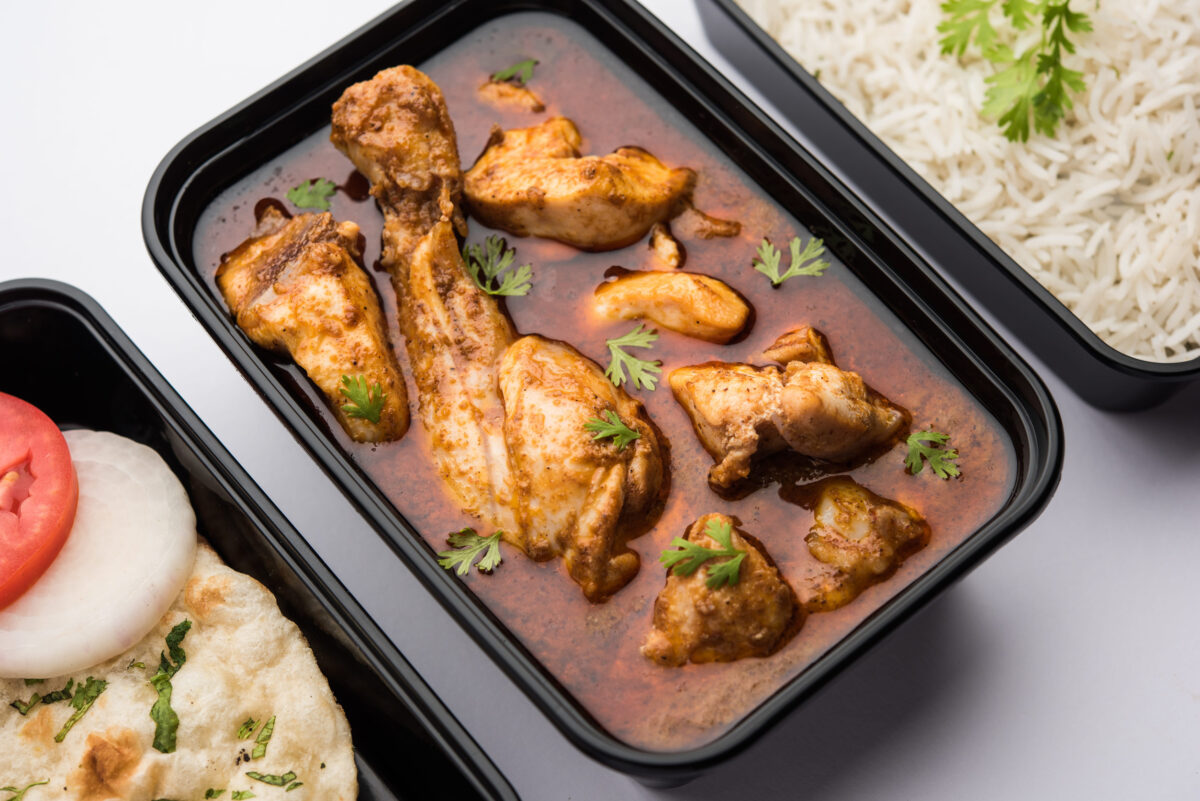
Chicken leftovers are amazing. A roast chicken can become sandwiches, soup, wraps, or a quick dinner. But cooked chicken needs respect.
Because chicken is rich in protein and moisture, bacteria can multiply quickly if it stays in the “danger zone” between 40°F and 140°F (4°C–60°C). Large dishes like chicken casseroles or big pots of soup are especially tricky because the center cools slowly.
The smart approach: divide leftovers into smaller containers instead of putting a huge hot pot straight into the fridge. Use leftovers within about 3–4 days if stored properly, and reheat them to 165°F (74°C).
Also, please don’t perform the “one tiny taste test” on suspicious chicken. Your tongue is not a laboratory.
Eggs: Tiny packages that need careful handling
Eggs are kitchen superheroes. They make breakfast, desserts, sauces, and quick meals possible. But cooked egg dishes like omelets, egg salad, quiche, and casseroles are still perishable foods.
Even clean, uncracked eggs can occasionally contain Salmonella, and cooked egg dishes can support bacterial growth if left warm too long.
A good habit: keep eggs refrigerated, store them properly, and don’t leave egg dishes sitting out during parties or picnics. Hard-boiled eggs are convenient, but they are not magical; they still belong in the fridge.
Dairy: The “sniff test” is not enough
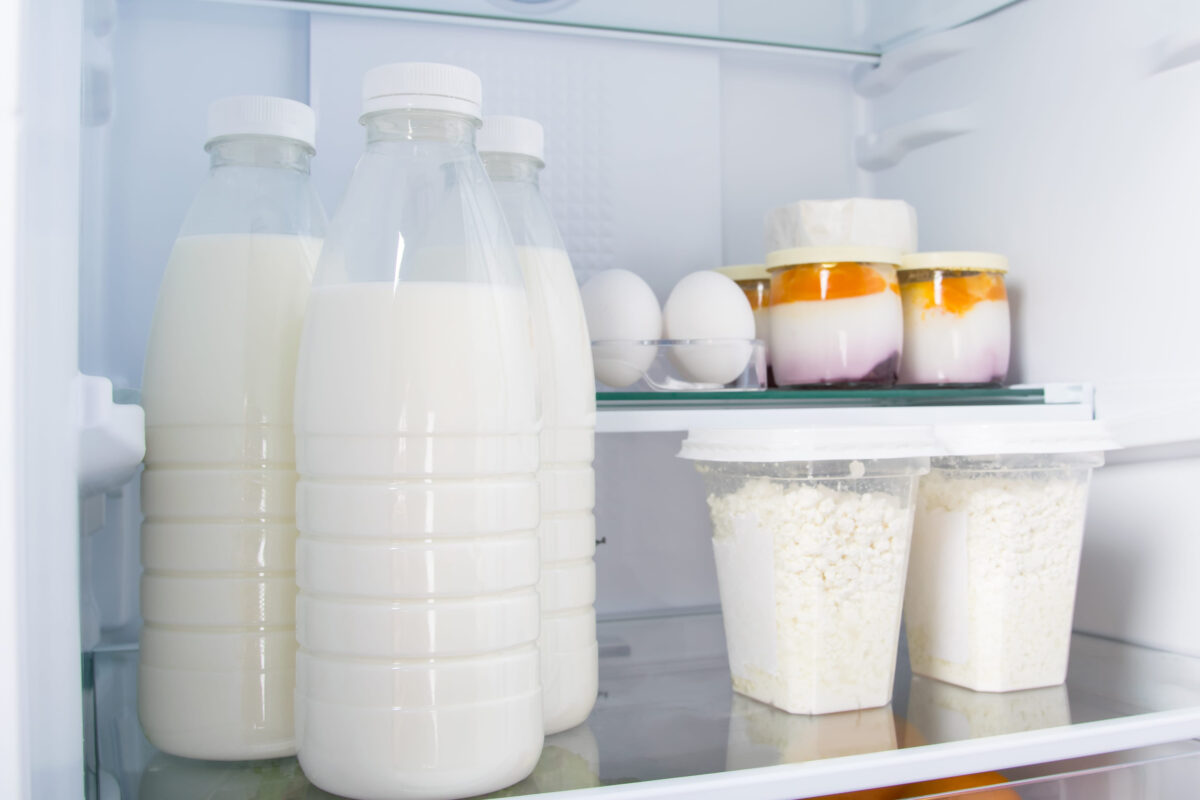
Milk, yogurt, cream, soft cheese, and creamy sauces are fridge favorites, but microorganisms also enjoy them.
Many dairy foods contain plenty of moisture and nutrients that let microbes grow if temperatures aren’t controlled. Some bacteria, such as Listeria monocytogenes, can even grow slowly in refrigerator conditions.
That means your fridge temperature matters. Keep it at or below 40°F (4°C), and don’t assume something is safe just because it smells normal. A pleasant smell is not a safety certificate.
Leftovers: Your future meals depend on today’s habits
Soups, stews, casseroles, sauces, and meal-prep dishes are wonderful because they save time and money. But big batches can create a hidden problem: slow cooling.
A giant pot of stew stays warm in the middle much longer than the outside. That creates a comfortable environment for bacteria to multiply.
The simple fix? Divide large portions into smaller containers. Your future self will thank you when you open the fridge and find safe, ready-to-eat meals instead of questionable science experiments.
The Golden Rules of Food Storage
If you remember only a few things, remember these:
- Cool food quickly. Don’t leave leftovers on the counter for hours.
- Keep your fridge cold,around 40°F (4°C) or below.
- Use shallow containers for hot leftovers so they cool faster.
- Reheat leftovers properly, but don’t use reheating as a “reset button” for badly stored food.
- When in doubt, throw it out. A few dollars in leftovers aren’t worth a miserable day of food poisoning.
Food safety is not about fear. It is about smart habits. A little organization, a cold fridge, and a healthy respect for leftovers can keep your meals delicious, affordable, and safe.
Because the only surprise you want from your dinner is, “Wow, this tastes amazing,” not “Why is my stomach making that noise?”