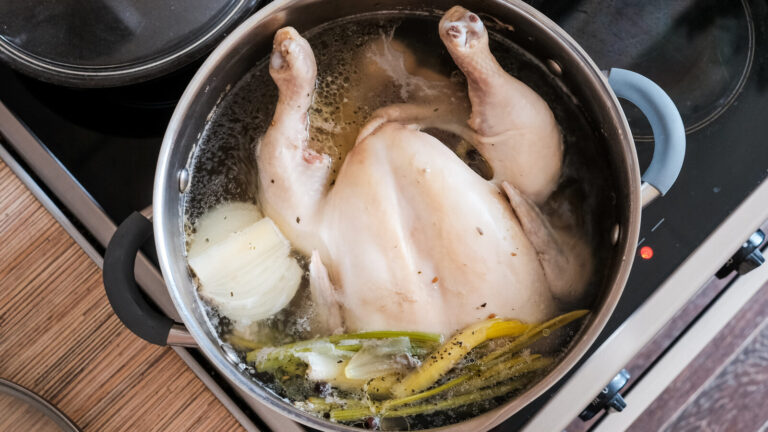
8 Foods You Should Never Reheat in the Microwave
The microwave oven has become one of the most convenient appliances in modern kitchens. With the push of a button, yesterday’s dinner can become today’s quick meal in minutes. From leftover pasta to soup and roasted vegetables, microwaves save time and make busy schedules easier.
However, not every food belongs in the microwave. While reheating leftovers may seem harmless, certain foods can lose their texture, develop unpleasant flavors, or even become unsafe when reheated incorrectly. Some ingredients require careful handling because they can encourage bacterial growth or release harmful compounds under certain conditions.
Before you put your leftovers on a plate and press “start,” check these foods that are better reheated another way.
Rice
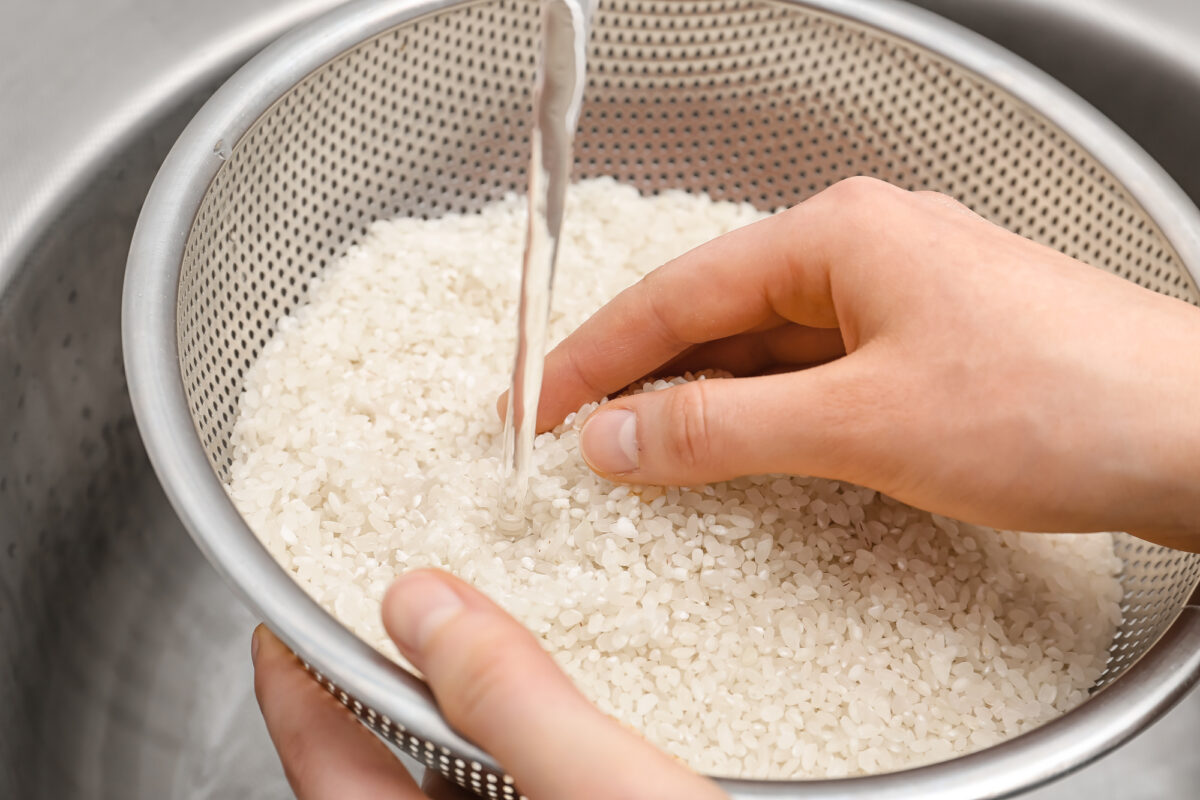
Rice is one of the most common leftovers in refrigerators, but it also requires extra care. Cooked rice can contain spores of a bacterium called Bacillus cereus, which can survive the cooking process.
The danger is usually not reheating itself, but how the rice was stored before it reached the microwave. If cooked rice sits at room temperature too long, bacteria can multiply and produce toxins that reheating may not destroy.
To enjoy leftover rice safely, refrigerate it quickly after cooking and store it in a sealed container. When reheating, make sure it is steaming hot throughout.
Eggs
Reheating eggs in the microwave can lead to a disappointing meal at best and a messy situation at worst. Microwaving hard-boiled eggs, scrambled eggs, and egg-based dishes can make them rubbery and lose their original texture.
Hard-boiled eggs are especially tricky because steam can build up inside. If you reheat them whole, they may burst when you cut or bite into them because of trapped heat.
If you need to warm up an egg dish, it is often better to use a pan on the stove over low heat. This method allows the temperature to rise gradually and helps preserve the texture.
Chicken
Chicken is a popular leftover, but reheating it in the microwave can cause problems. The microwave heats food unevenly, so some parts may become extremely hot while others remain cooler.
Uneven heating can affect both taste and safety. If you don’t store chicken properly after cooking, bacteria may have a chance to grow before reheating.
For better results, reheat chicken in an oven, air fryer, or covered pan. These methods help maintain moisture and produce a more evenly heated meal.
Leafy Greens
Vegetables such as spinach, kale, and other leafy greens are packed with nutrients, but repeated reheating isn’t recommended.
When leafy greens are cooked and stored improperly, bacteria can multiply. Some experts also advise caution because vegetables naturally contain nitrates, which can change during storage and reheating.
The safest approach is to cook only the amount you plan to eat or consume leftover greens soon after preparation. If you need to reheat them, heat them thoroughly and avoid repeated warming.
Potatoes
Potatoes seem like an ideal leftover food, but they can become risky if handled incorrectly. Like rice, cooked potatoes can support the growth of Clostridium botulinum bacteria when left at unsafe temperatures for extended periods.
The problem isn’t the microwave itself, but improper storage. Refrigerate potatoes soon after cooking rather than leaving them on the counter for hours.
When reheating, make sure potatoes are heated evenly. Avoid repeatedly cooling and reheating the same portion.
Mushrooms
Mushrooms are another food that can become problematic when reheated multiple times. They contain proteins and other compounds that can break down after cooking and storage.
Properly stored mushrooms can usually be reheated safely once, but repeated reheating may affect their flavor, texture, and overall quality.
For the best taste, prepare only the amount you need or warm mushroom dishes gently on the stove.
Seafood
Fish and other seafood are among the foods that many people prefer not to microwave. Reheating seafood isn’t automatically dangerous if stored correctly, but microwaving can dramatically change its texture and smell.
Fish can become dry and rubbery, while strong odors may spread throughout the kitchen. Delicate seafood dishes often taste better when you warm them slowly in an oven or pan.
Proper storage is especially important with seafood because bacteria can grow quickly if it is not refrigerated promptly.
Breast Milk
Never reheat breast milk in the microwave. Microwaves can create hot spots inside the milk, which may burn a baby’s mouth even if the bottle feels cool from the outside.
The uneven heating can also affect some of the beneficial properties of breast milk.
Instead, experts generally recommend warming breast milk using a bottle warmer or placing the container in warm water. Always test the temperature before feeding.
Processed Meats
Processed meats such as sausages, bacon, and deli meats can change when reheated in a microwave. The high heat can make them tough and may affect their flavor.
Some research has raised concerns about chemical changes that can occur when certain processed meats are repeatedly exposed to high temperatures. While occasional reheating isn’t necessarily a cause for alarm, gentler heating methods can help preserve quality.
The Microwave Is Not the Enemy Storage Matters
Microwaves themselves aren’t dangerous when used correctly. The main concerns with reheating food often involve how the food was cooked, stored, and handled before it entered the microwave.
Many leftovers can be safely reheated if you store them properly, keep them at safe temperatures, and heat them thoroughly. The biggest mistakes happen when you leave food out too long or reheat it repeatedly.
Simple Tips for Safer Leftovers
To make your leftovers safer and tastier, follow a few basic habits:
- Refrigerate cooked food within two hours of preparation.
- Store leftovers in shallow containers so they cool faster.
- Reheat only the portion you plan to eat.
- Make sure food is heated evenly before eating.
- Avoid reheating the same food more than once.
- When possible, use ovens, stovetops, or air fryers for better texture.