Trump Demands Lower Gas Prices as Oil Profits and Pump Costs Fuel a National Showdown
Oil prices can collapse before lunch, but the sign outside the local gas station often acts as though nothing happened. That frustrating delay has become the center of President Donald Trump’s latest confrontation with America’s largest energy companies. His demand is blunt: crude prices are falling, oil profits are soaring, and drivers should start seeing relief.
Trump told oil companies to get consumer prices “DOWN, NOW” after crude futures plunged amid signs of easing tensions with Iran. The message targeted an industry benefiting from volatile global markets while American motorists continued paying an average of about $4.08 for regular gasoline on August 5.
The dispute looks like a fight over a few cents at the pump. In reality, it is a much larger battle over who controls the story Americans tell themselves about inflation, corporate power and presidential accountability.
Oil Trades in Seconds, but Gasoline Travels by Truck
Trump’s argument begins with a question many drivers ask whenever oil prices drop: Why has gasoline not followed?
U.S. crude fell roughly 5% to about $80.79 per barrel after Trump paused additional military strikes against Iran. Brent crude also dropped to approximately $83.87 as investors hoped reduced tensions could eventually improve oil shipments through the Persian Gulf.
The futures market reacts instantly to speeches, military threats, production announcements and diplomatic rumors. Gasoline follows a slower physical journey through refineries, pipelines, storage terminals and tanker trucks before reaching neighborhood stations.
That difference creates what may be called the “speed gap.” Wall Street reprices oil in seconds, while service stations may still be selling gasoline produced from crude purchased days or weeks earlier.
The Pump Price Has More Than One Owner
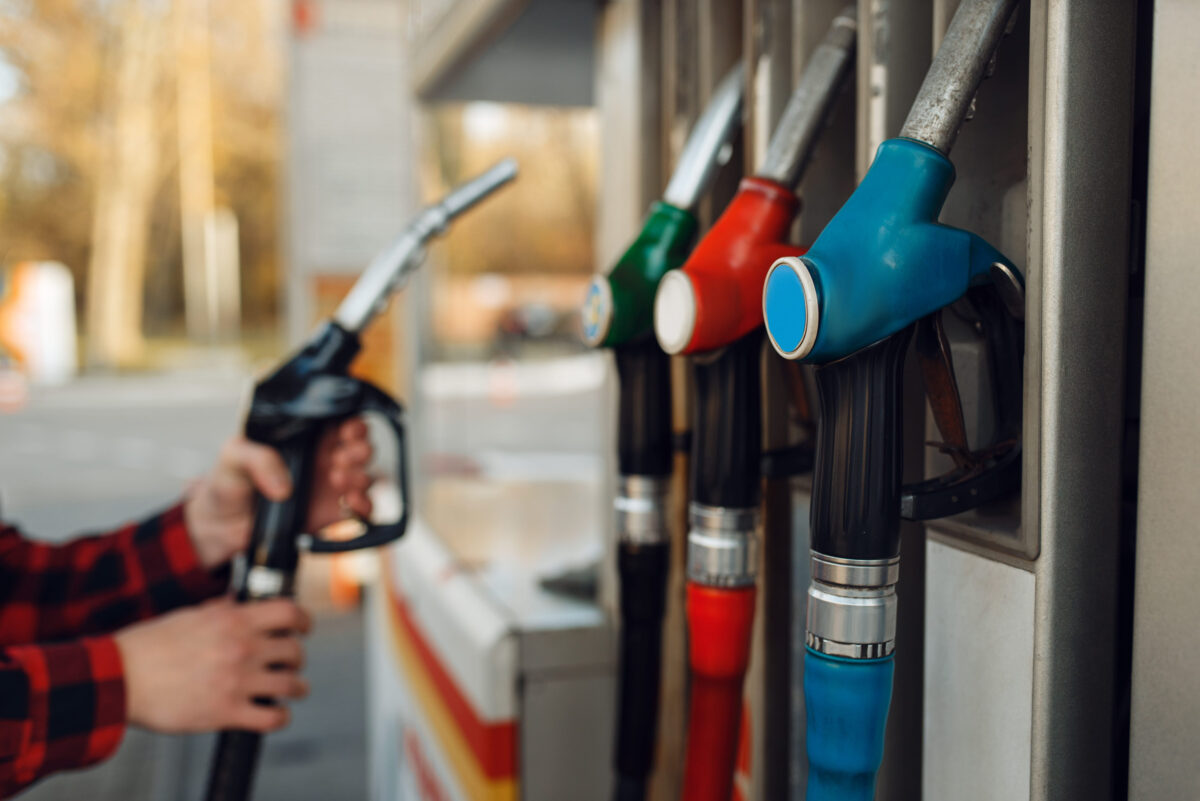
Crude oil remains the largest component of gasoline prices, but oil producers do not control every number displayed at the pump. Refining costs, distribution expenses, taxes, local competition and retail operating costs all shape what drivers ultimately pay.
The federal gasoline tax stands at 18.4 cents per gallon, while state taxes and fees averaged 33.55 cents as of January 2026. Refinery margins can also change dramatically when fuel supplies tighten, plants shut down, or special seasonal gasoline blends become more expensive to manufacture.
Many branded gas stations are independently operated. A Chevron sign does not necessarily mean Chevron executives are personally setting that station’s price each morning.
Yet technical explanations only go so far when households are watching every dollar. Consumers may understand that gasoline pricing is complicated, but they also know when corporate earnings appear unusually strong.
Record Profits Turn a Pricing Delay Into a Political Crisis
Chevron reportedly earned about $12 billion during the second quarter, while ExxonMobil posted approximately $14.5 billion in profit. Those figures reflected high energy prices, strong refining activity, and supply disruptions linked to the Middle East conflict.
Large profits do not automatically prove price manipulation. Oil companies operate expensive global networks, face enormous investment risks, and can suffer severe losses when crude prices collapse.
However, perception matters in politics. When families are trimming grocery budgets to afford commuting costs, multibillion-dollar profits make every delay in lowering gasoline prices appear less like logistics and more like a choice.
That is the opening Trump is exploiting. He is presenting himself as the impatient consumer advocate confronting executives who appear comfortable with prices above $4.
Trump Is Challenging an Industry He Usually Defends
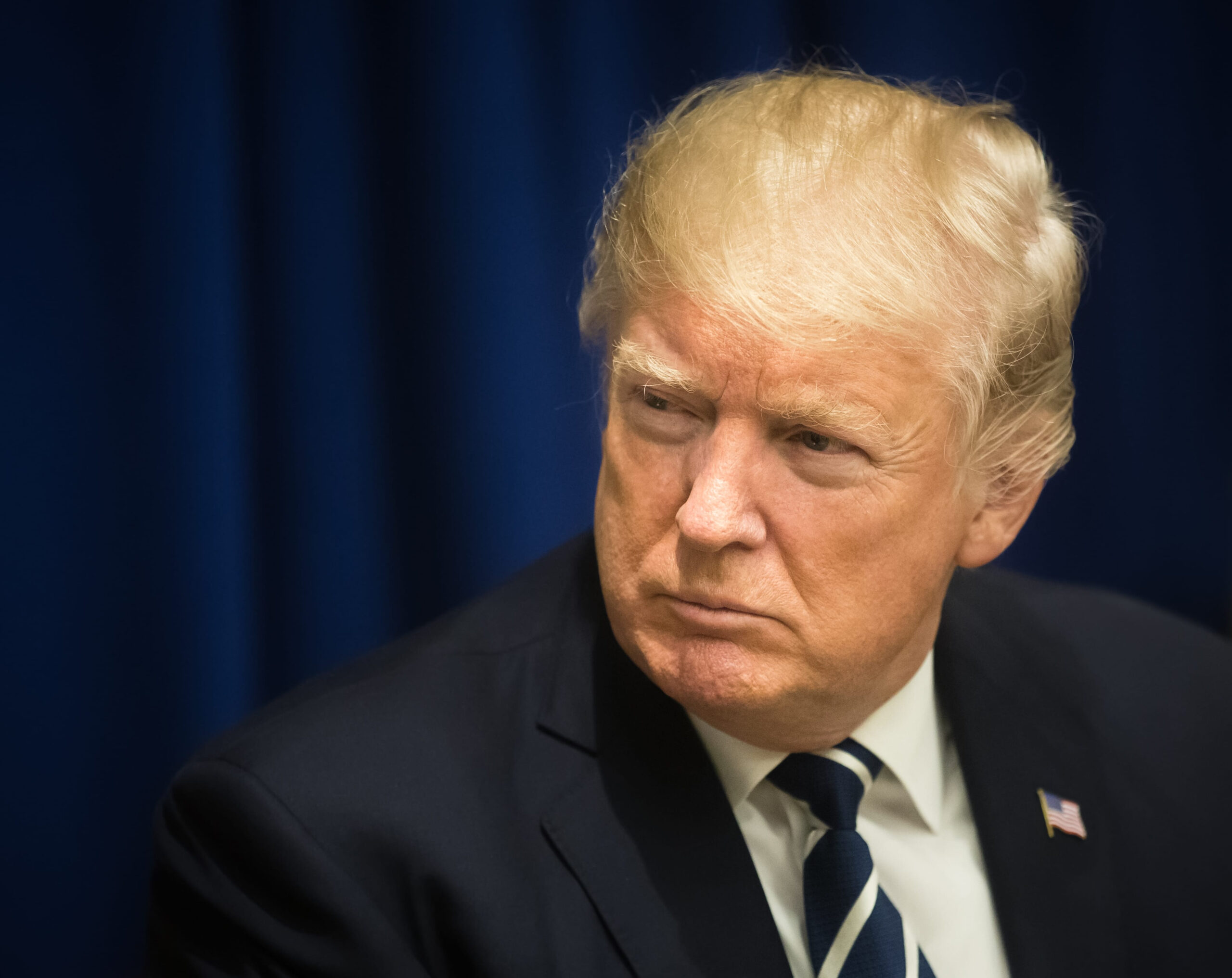
The confrontation carries an unusual political twist. Republican leaders have traditionally promoted expanded drilling, lighter regulation and stronger domestic energy production, positions welcomed by major oil companies.
Trump still supports those goals, but he is now warning producers that political support comes with expectations. In his telling, the administration helped create the conditions for stronger production and corporate success, so consumers deserve a visible share of the benefit.
His criticism of Chevron CEO Mike Wirth made the dispute personal. Trump praised his own administration’s role in strengthening Chevron’s position, including its operations in Venezuela, before accusing the wider industry of failing to move retail prices down quickly enough.
The message is difficult for oil executives to answer. Defending strong profits pleases shareholders, but doing so while motorists face expensive fuel risks looking indifferent to household pressure.
Cheap Oil Will Not Matter Unless It Stays Cheap
One sharp decline in crude prices will not guarantee lasting relief. Oil markets remain exposed to developments in Iran, the Strait of Hormuz, OPEC Plus production decisions and attacks on shipping routes.
A single military escalation could erase the decline within hours. Refinery outages or low gasoline inventories could also keep pump prices elevated even if crude remains relatively stable.
The real test will unfold over several weeks. If crude stays lower, wholesale gasoline costs decline, and retail prices barely move, Trump’s accusations will gain power.
Oil companies would then face tougher questions about refining margins and how quickly savings move through the supply chain. If gasoline prices fall steadily, the industry can argue that the market was working and required time.
The Gas Station Sign Has Become an Economic Scoreboard
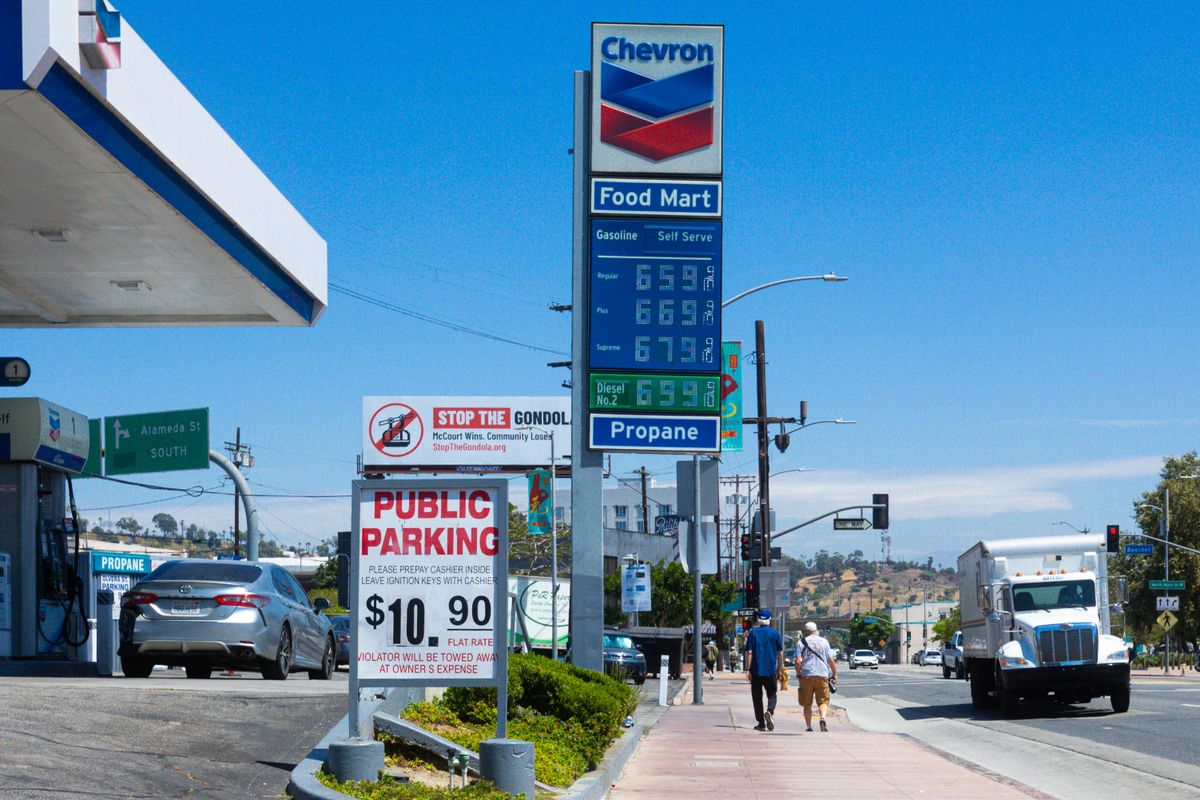
Presidents do not directly control gasoline prices, but voters often treat the pump as a public performance review. Fuel costs are visible, unavoidable, and repeated often enough to shape how people feel about the entire economy.
That makes this showdown bigger than Chevron, Exxon, or one angry social media post. Trump needs falling gas prices to support his promise of lower living costs, while oil companies need to protect profits without becoming symbols of corporate excess.
The crude market may have delivered Trump a temporary victory. The next verdict will not come from Wall Street traders or energy analysts.
It will appear in glowing numbers beside highways, grocery stores and neighborhood intersections. Until those numbers fall, the political pressure on Big Oil will continue rising.