9 Ways Florida’s Quiet Immigration Arrest Surge Could Change Everyday Life Across the State
Florida’s immigration crackdown is not unfolding only at the border, inside courtrooms, or during headline-grabbing raids. It is showing up in places that feel ordinary: a park, a parking lot, a traffic stop, a county jail, a sheriff’s office, and even agencies residents may never associate with immigration enforcement. That is what makes this story so different. The biggest shift is not just the number of immigration arrests in Florida. It is the way state and local agencies have become part of the enforcement pipeline.
According to an Associated Press analysis, nearly 39,000 immigrants were arrested in Florida during the 416 days after Jan. 20, 2025. In the comparable period before that, the number was 11,088. That jump has turned Florida into one of the most active immigration enforcement states in the country, second only to Texas in daily arrests during the period reviewed.
But for many Floridians, the deeper question is not only who gets arrested. It is how a normal day can suddenly turn into a federal immigration case.
Here are some ways immigration surge arrests could change everyday life in Florida.
The New Front Door Is Local, Not Federal
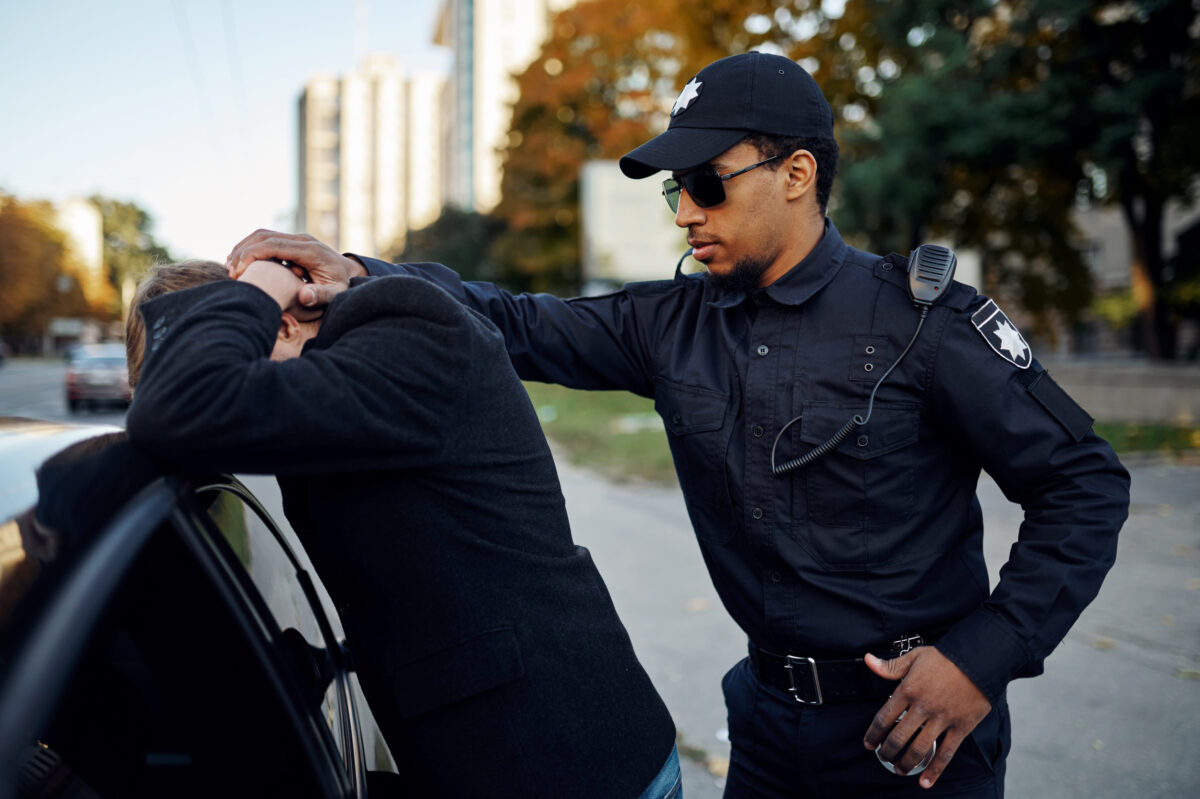
For years, many Americans thought of immigration enforcement as something led almost entirely by federal agents. That picture is changing in Florida. Local police departments, sheriff’s offices, highway patrol officers, jail officials, and state agencies are now playing a larger role.
The tool behind much of that shift is the federal 287(g) program. It allows ICE to give trained state and local officers certain immigration enforcement powers. In plain English, a local encounter can now connect directly to federal immigration custody.
That makes Florida’s crackdown feel less like one big raid and more like a network. The front door may be a traffic stop. The next step may be a database check. The final stop may be ICE custody.
Routine Stops Now Carry Bigger Stakes
One of the most striking parts of the Florida story is how many arrests may begin with everyday law enforcement contact. A minor traffic issue, an identification request, or a parking lot encounter can become much more serious when immigration screening comes into play.
That does not mean every stop is improper. Officers may say they had valid reasons to act, and federal officials may point to prior removal orders or immigration violations. But the concern is that ordinary stops now carry consequences that many residents would not expect.
For immigrant families, that changes daily behavior. People may think twice before driving to work, walking through a park, reporting a crime, or even answering questions from an officer. Fear can travel faster than facts, especially when one arrest leaves a family scrambling.
Florida Is Building an Enforcement Web Few States Can Match
The AP reported that 347 Florida state and local agencies have signed on to participate in the immigration push. That number is important because it shows how broad the system has become. This is not limited to a single city, a single sheriff, or a single high-profile operation.
The list includes expected law enforcement players such as sheriff’s departments, police departments, the Florida Highway Patrol, and the Florida National Guard. But it also includes agencies that many people would not immediately associate with immigration enforcement, including the Florida Fish and Wildlife Conservation Commission and the Florida Lottery.
That wide reach gives Florida a different kind of enforcement power. Instead of waiting for federal agents to find people, the state can generate immigration cases through many public agencies. That is why the quiet nature of the surge matters.
The Numbers Tell a Bigger Story Than Politics

Immigration is often covered as a political fight between Republicans and Democrats. Florida’s numbers show something more concrete. This is a major operational change in the way immigration enforcement is conducted.
Nearly 39,000 arrests in 416 days is not a symbolic policy statement. It is a system producing daily results. Florida averaged 93 immigration arrests per day during the period reviewed by the AP, trailing only Texas.
That scale affects more than people directly arrested. It touches immigration courts, detention facilities, local jails, lawyers, employers, schools, churches, and families. A surge this large does not stay inside government paperwork.
The Family Impact Can Arrive Overnight
When a person is detained, the impact rarely stops with that person. A spouse may lose income. Children may lose a parent at home. A family may lose transportation, rent money, childcare, or the person who understands their immigration paperwork.
The AP described cases involving Guatemalan families in Florida, including one where a father and adult son were detained and later deported. Federal officials disputed parts of the family’s account and said there were removal orders involved. Still, the family impact was immediate.
This is where immigration enforcement becomes deeply local. A case file may say one thing. A kitchen table says another. The government may see an immigration action, while a family sees an empty chair, unpaid bills, and children asking what comes next.
Florida’s Transparency Tradition Is Under Pressure
Florida has long been known for strong public records access. The state’s Sunshine Law has helped residents, journalists, and watchdogs inspect government actions. But immigration enforcement partnerships are now testing that tradition.
In cases reviewed by the AP, Florida agencies declined to release arrest reports and body camera footage, saying ICE required immigration-related records requests to go through federal authorities. ICE and DHS also declined to provide the requested materials, citing law enforcement sensitivity.
That creates a serious public trust problem. If local officers initiate an encounter, residents may reasonably expect local records to be available. When those records disappear behind federal control, it becomes harder to know what actually happened.
Body Camera Footage Could Become the Key Battle

Body camera footage matters because it can answer basic questions. Why did the stop begin? What did the officer say? What did the person being stopped say? Was the arrest explained clearly? Did the official account match what happened on camera?
Without those records, the public is left with competing narratives. Families describe one version. Agencies describe another. Federal officials may add a third. The truth becomes harder to sort out.
That is why Florida’s records issue could become one of the most important parts of this story. The immigration debate is already heated. If transparency weakens at the same time enforcement grows, suspicion will grow with it.
Federal Money Could Pull More Agencies In
DHS has announced reimbursement opportunities for state and local agencies that partner with ICE. That includes support tied to salaries, overtime, equipment, and vehicles for participating agencies. For departments facing budget pressure, the money can be attractive.
Supporters may see this as smart cooperation. They may argue that local agencies need resources if they are helping enforce federal law. Critics may see it differently and worry that financial incentives could encourage agencies to chase immigration numbers.
Either way, the money changes the conversation. Once federal funds enter the picture, local residents may ask whether immigration enforcement is becoming a budget strategy rather than just a public safety strategy. That question will matter in city halls, county commissions, and sheriff races.
Community Trust May Be the Hidden Cost

Police departments depend on trust. They need witnesses to talk, victims to call, neighbors to report suspicious activity, and families to cooperate when something goes wrong. Immigration enforcement can complicate that relationship.
If immigrant residents believe any contact with police could expose them or a loved one to detention, they may stay silent. That can hurt public safety for everyone, not only immigrant communities. A frightened witness is less likely to help solve a crime.
This does not mean local agencies should ignore the law. It means enforcement choices have tradeoffs. Florida’s challenge is whether it can expand immigration arrests without making entire communities afraid of the people sworn to protect them.