Why Many Southerners Say Sugar Doesn’t Belong in Cornbread, and Why Others Disagree
Few foods are as closely tied to Southern identity as cornbread. It shows up beside a bowl of beans, under a ladle of pot likker, next to fried chicken, and crumbled into a glass of buttermilk. In many Southern kitchens, the cast-iron skillet used for cornbread is treated like a family heirloom.
But ask a room full of people whether cornbread should be sweet, and you may start an argument that lasts longer than the meal. Many traditional Southern cooks insist that real cornbread contains little or no sugar. Others, including plenty of Southerners themselves, happily add a few spoonfuls and cannot understand what the fuss is about.
The debate is about more than taste. It touches on history, regional pride, and the way recipes change over time. Here is a look at why so many Southerners say sugar does not belong in cornbread, and why others strongly disagree.
The Traditional Southern Way
For many Southern cooks, classic cornbread is made with white or yellow cornmeal, buttermilk, eggs, a little baking soda or powder, and some fat, often bacon grease or butter. The batter is poured into a cast-iron skillet that has been heated in the oven until it is smoking hot. The result is a crisp, golden crust and a tender, savory inside.
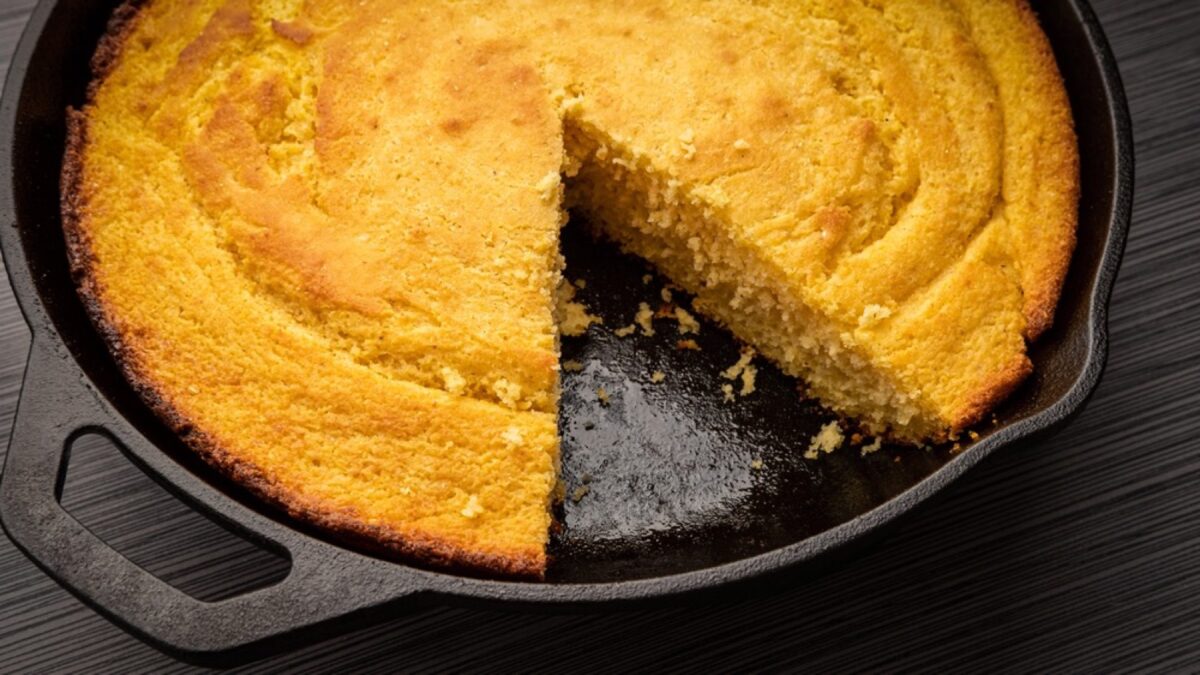
In this tradition, cornbread is not dessert. It is a bread meant to go with savory foods like beans, greens, stews, and fried fish. Many Southerners grew up with this version and consider sweetened cornbread something closer to cake.
Where the Savory Tradition Comes From
Corn has been a staple in the American South for centuries, first among Native American peoples who grew it and taught European settlers how to use it. Early cornbread was often simple, made from cornmeal, water, and salt, and cooked over a fire or on a hot stone.
Sugar was expensive for many families in earlier times, so it was rarely added to everyday bread. Cornbread was meant to be filling and practical. Many food historians believe this is one reason the savory style became so deeply rooted in Southern cooking.
The Northern Style
In the North and much of the Midwest, cornbread is often sweeter and more cake-like. Many recipes use a mix of cornmeal and wheat flour, plus sugar and sometimes honey. The texture is lighter and softer, and it is often baked in a square pan rather than a skillet.
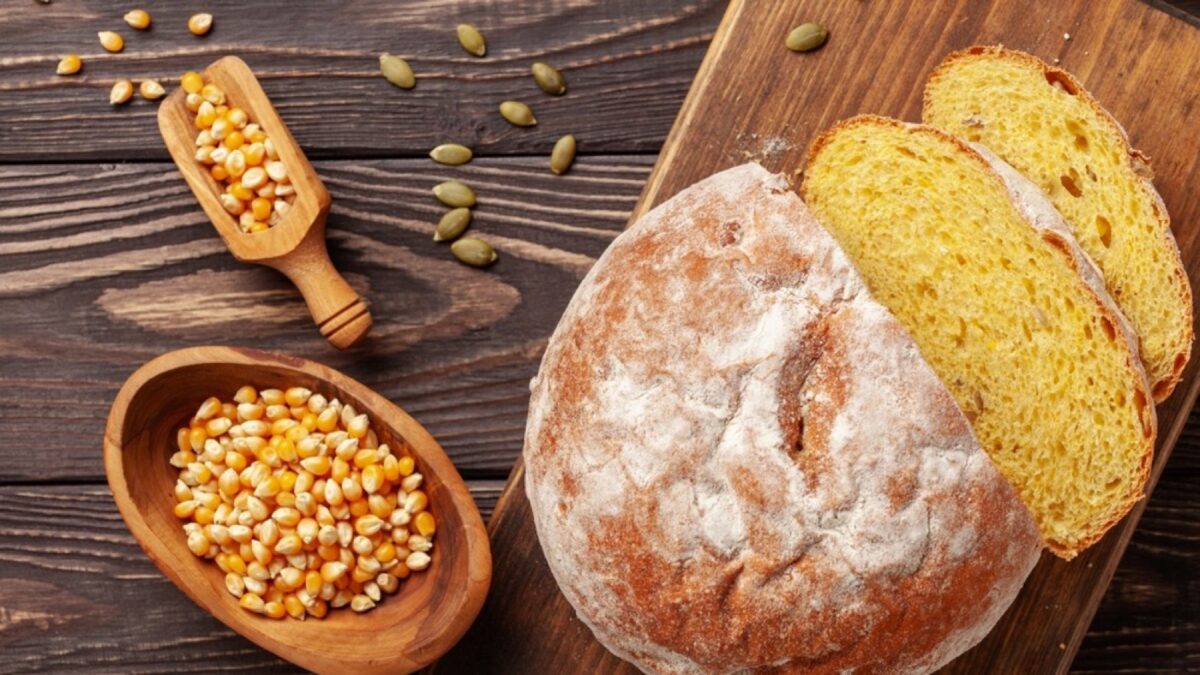
Boxed cornbread mixes, which became popular in the twentieth century, also tend to be on the sweeter side. Millions of Americans grew up with these mixes, which helped make sweet cornbread familiar across the country.
Why Some Southerners Add Sugar Anyway
Not every Southerner agrees with the traditionalists. Many Southern families have added sugar to their cornbread for generations, and some recipes passed down by grandmothers include a spoonful or two. Over time, sweeter cornbread has become common in many parts of the South as well.
For these cooks, a little sugar balances the slight bitterness of the cornmeal and adds a pleasant flavor. Some say it helps the crust brown more nicely. They see no reason to give up a recipe their family has always loved.
Why the Debate Gets So Heated
Cornbread is personal. Most people learned to make it, or eat it, from someone they love, and that recipe becomes the “right” one in their mind. When someone suggests their family’s version is wrong, it can feel like criticism of their upbringing.
Regional pride also plays a role. For many Southerners, savory cornbread is a symbol of their heritage. Sweet cornbread, especially from a box, can feel like an outsider’s version of a Southern classic.
The Role of Cornmeal
The type of cornmeal used can also affect the debate. Some traditional Southern cooks prefer stone-ground white cornmeal, which has a coarser texture and a rich corn flavor. Others use yellow cornmeal, which is common in many grocery stores.
Many cooks believe that good-quality cornmeal does not need sugar to taste delicious. Others think that cheaper, more processed cornmeal benefits from a little sweetness. Either way, the choice of cornmeal makes a real difference in the final result.
Is There a Right Answer?
The truth is that there is no single correct way to make cornbread. Both sweet and savory versions have long histories and loyal fans. What matters most is what you and your family enjoy.
That said, if you are visiting a Southern grandmother who has made unsweetened skillet cornbread her whole life, it might be best not to ask for the sugar bowl. Some traditions are better respected than questioned.
Tips for Making Great Skillet Cornbread
Whether you add sugar or not, a few tips can help you make excellent cornbread. Start by heating your cast-iron skillet in the oven with a little fat, such as bacon grease, butter, or oil, until it is very hot. Pouring the batter into a hot skillet creates the crispy crust that many Southerners love.
Buttermilk adds tenderness and a slight tang, and it reacts with baking soda to help the cornbread rise. Mixing the batter just until combined keeps the texture tender rather than tough. Letting the cornbread rest for a few minutes before slicing helps it hold together.
Cornbread is also incredibly versatile. It can be crumbled into buttermilk, served alongside chili, used for stuffing, or topped with butter and honey. Leftover cornbread can be toasted the next morning for breakfast. It is a natural partner for many Southern comfort foods, and it is one of the American foods that visitors from abroad often find surprising.
Try Both and Decide for Yourself
If you have never tried both styles, now is a great time. Make a skillet of savory buttermilk cornbread with a pot of beans or greens, then try a sweeter version with butter and honey. You may find you like them both for different reasons.
There is no single correct way to make cornbread, and both sweet and savory versions have loyal fans. Whatever side of the debate you are on, a warm skillet of cornbread is one of the simplest comforts in American cooking.