5 Foods You Should Think Twice About Reheating in the Microwave (And What to Do Instead)
The microwave is basically the superhero of modern kitchens. It saves us from cold coffee, turns yesterday’s dinner into today’s lunch, and helps us avoid washing extra dishes. But like every superhero, it has limits.
You may have seen scary headlines saying things like “Never microwave these foods!” or “These leftovers become toxic when reheated!” The truth is a little less dramatic. A microwave does not magically turn normal food into poison. The real issues usually come from how food was stored, whether it heats evenly, and whether it reaches a safe temperature.
So instead of a panic list, think of this as a “handle with care” guide. These are five foods that deserve extra attention before they take another trip around the microwave.
Cooked Rice: The Leftover That Needs Respect
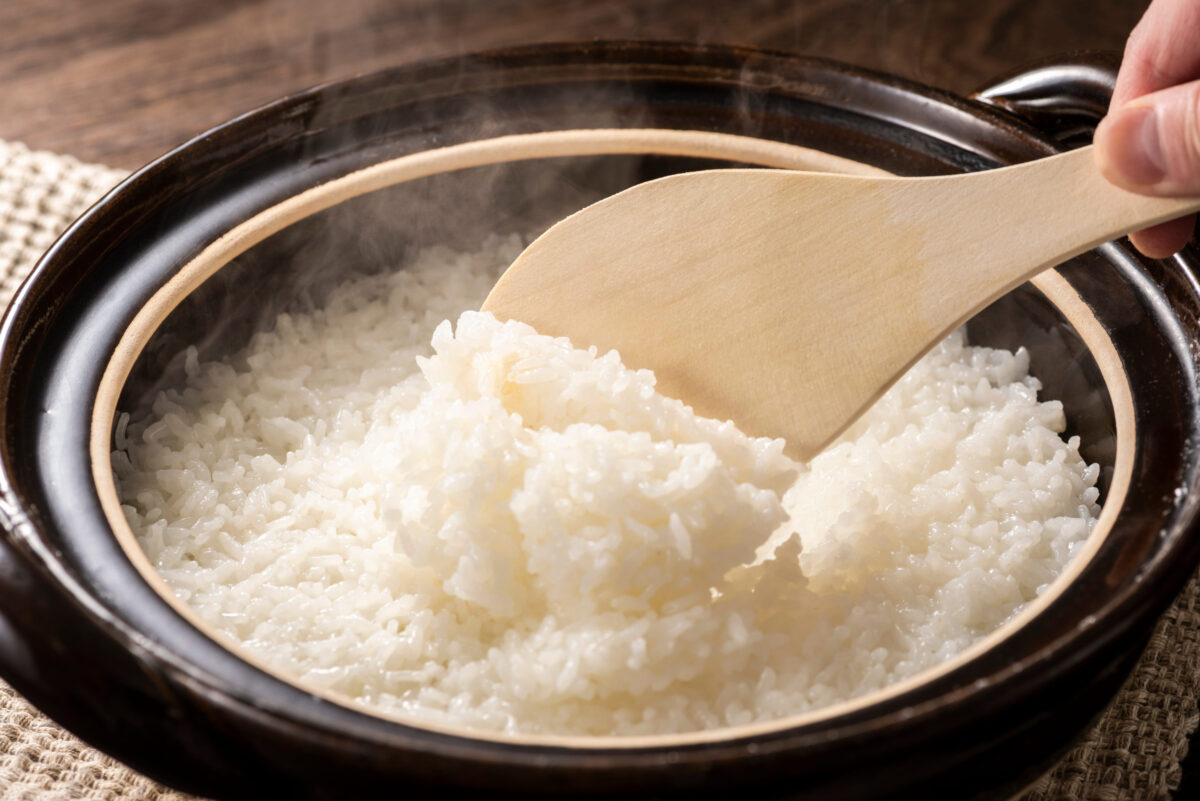
Rice seems harmless. After all, it is just rice, right? But cooked rice can become risky if you leave it on the counter too long.
The problem is not the microwave itself. Cooked rice can contain spores of Bacillus cereus, a bacterium that can survive cooking. If rice sits warm for too long, those spores can grow and may produce toxins that reheating cannot always destroy.
Imagine making a big pot of rice for dinner, leaving it sitting out overnight because you plan to “deal with it tomorrow,” and then heating it until it is steaming. Unfortunately, heat does not always erase the mistakes made during storage.
The safer move? Cool rice quickly, store it in the refrigerator, and reheat only the amount you plan to eat. Add a splash of water before microwaving, cover it, stir halfway through, and make sure there are no cold spots. Properly stored rice can be reheated safely.
Baked Potatoes: Watch the Foil
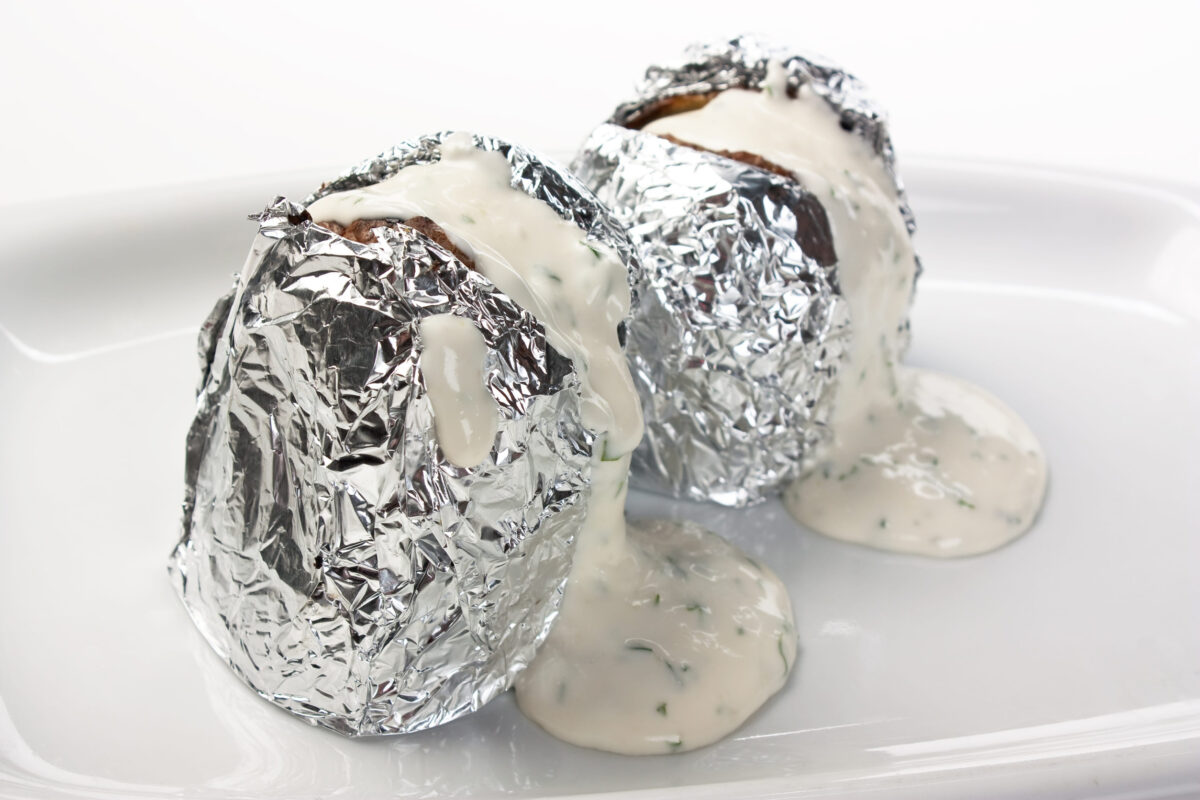
A baked potato wrapped in foil feels like a cozy food-storage idea. Unfortunately, foil can create conditions where bacteria may grow if the potato sits at room temperature too long.
The main concern is not “microwaved potatoes.” It is improperly stored potatoes, especially foil-wrapped baked potatoes that sit around unrefrigerated. Under certain conditions, bacteria such as Clostridium botulinum can create dangerous toxins.
So if your baked potato has been sitting on the counter all afternoon wearing its little foil jacket, the microwave is not a rescue machine. It is better to throw it away.
If you stored the potato properly, however, reheating is fine. Remove foil, refrigerate leftovers promptly, and heat the potato dish thoroughly. The microwave is not the villain here,the forgotten potato is.
Chicken and Meat Leftovers: Hot Outside, Cold Inside
Chicken leftovers are one of the most misunderstood microwave foods. Many people believe reheated chicken is automatically dangerous. That is not true.
The real problem is uneven heating. Microwaves can sometimes heat the outside of food while leaving the center cold. A piece of chicken may feel warm, but the thickest part might not have reached a safe temperature.
This matters especially with thick pieces of meat, casseroles, and dishes packed tightly in containers.
The fix is simple: cut large pieces into smaller portions, stir where possible, rotate the food, and heat until it reaches 165°F/74°C throughout.
Think of the microwave like a campfire: you do not just warm the outside of a marshmallow and assume the inside is ready. The whole thing needs attention.
Whole Hard-Boiled Eggs: A Tiny Food Explosion Waiting to Happen
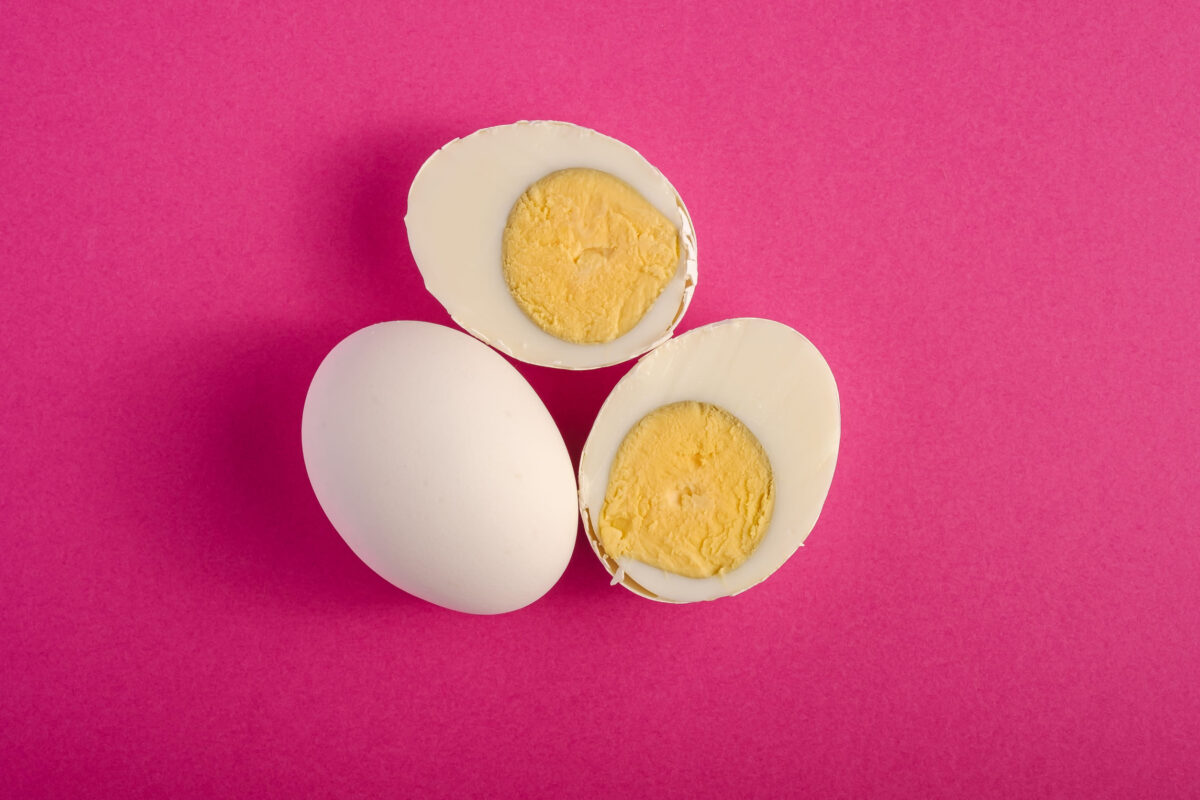
Hard-boiled eggs are convenient snacks,until someone decides to microwave a whole one.
A whole egg can trap steam inside as it heats. That pressure can build up and cause the egg to burst, sometimes after you’ve already removed it from the microwave. Yes, your innocent little egg can turn into a tiny kitchen volcano.
The safer option? Eat refrigerated hard-boiled eggs cold, or slice them before warming. Cutting the egg allows steam to escape and reduces the pressure problem.
Thick Leftovers: The “Looks Hot but Isn’t” Problem
Lasagna, casseroles, soups, sauces, stuffed foods, and big meal-prep containers can be tricky because they are dense. The edges may be bubbling while the middle is still chilly.
These foods heat unevenly because different ingredients warm at different speeds. A cheesy corner might be lava while the center is still cold enough to disappoint you—and possibly allow bacteria to survive.
The solution is not avoiding these foods forever. Instead, reheat smaller portions, stir soups and sauces, cover food, and let it stand after heating.
The Golden Microwave Rules
Before you blame your microwave, remember these simple rules:
- Do not use the microwave to “save” food that sat out overnight.
- Store leftovers quickly instead of letting them hang around on the counter.
- Use microwave-safe containers.
- Stir, rotate, and check thick foods.
- Make sure leftovers are heated all the way through.
Also, don’t believe every internet food warning. Claims that microwaves make food radioactive or automatically create toxins are misleading. Microwaves heat food; they do not make it radioactive.
The microwave is not the enemy. It is simply a tool. Like any tool, it works best when we use it wisely. So go ahead and reheat your leftovers—just give that forgotten rice, foil-wrapped potato, or whole egg a little extra thought first.