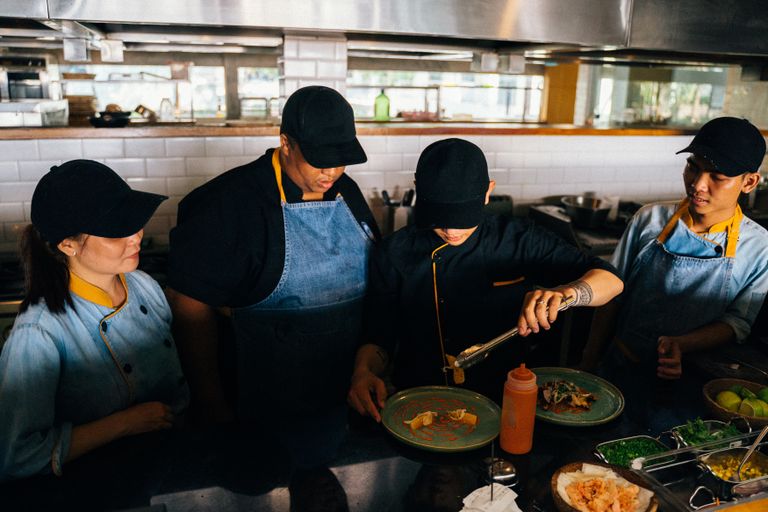
The Breakfast Debate That Never Gets Old: Waffles or Pancakes?
Two bowls of batter can start almost the same way, yet end up creating two completely different breakfast experiences.
Few breakfast arguments are as harmless, or as surprisingly passionate, as waffles versus pancakes. One side wants a tall, fluffy stack with butter melting between the layers. The other wants crisp golden edges and those little waffle squares practically begging to be filled with syrup.
Both are comforting, inexpensive, and endlessly customizable. But once you look at how they are made, where they came from, and what happens when the batter hits the heat, the difference becomes much more interesting.
Pancakes Have Been Around for Ages
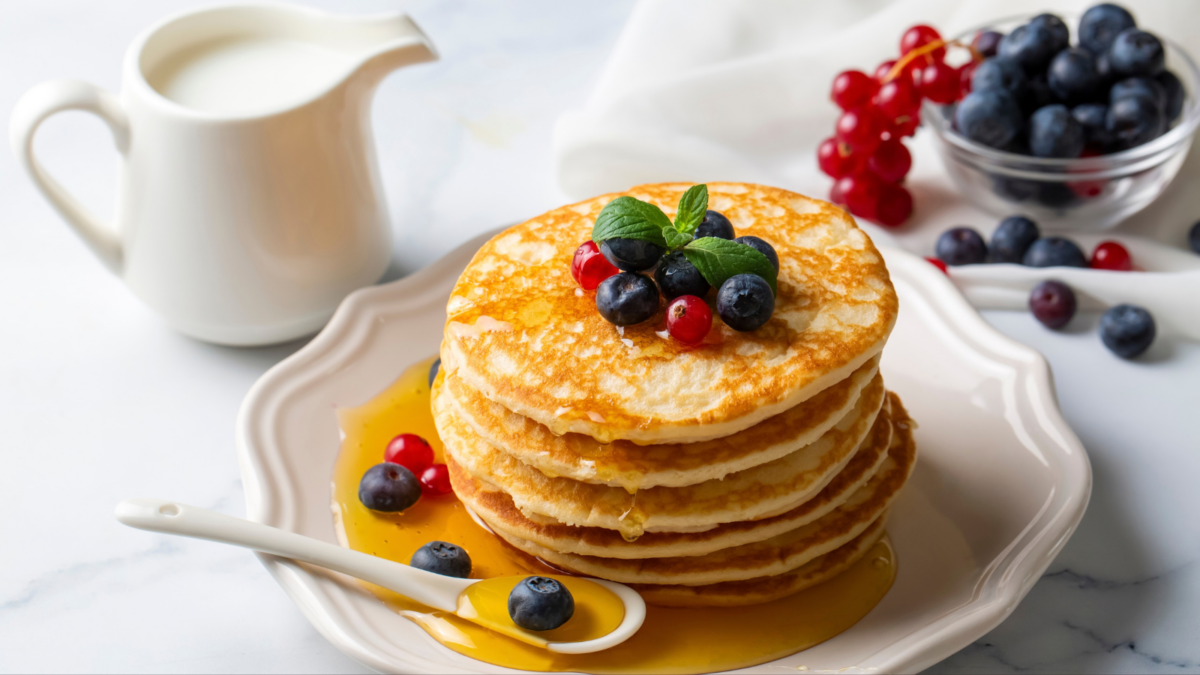
The humble pancake is far older than the weekend brunch menu makes it seem.
People have been cooking some form of flat cake for thousands of years, long before anyone had maple syrup in the cupboard. The history of pancakes stretches from ancient Greece and Rome to countless versions found around the world today.
What makes pancakes so enduring is their simplicity. Flour or another starch, liquid, and sometimes eggs or a leavening agent can create something filling with very little equipment. Different cultures took that basic idea in their own direction, creating everything from thin French crêpes to Ethiopian injera and Indian chilla.
American-style pancakes became particularly associated with breakfast, where a fluffy stack, butter, and maple syrup turned a basic griddle cake into a weekend ritual.
Waffles Took a Different Route
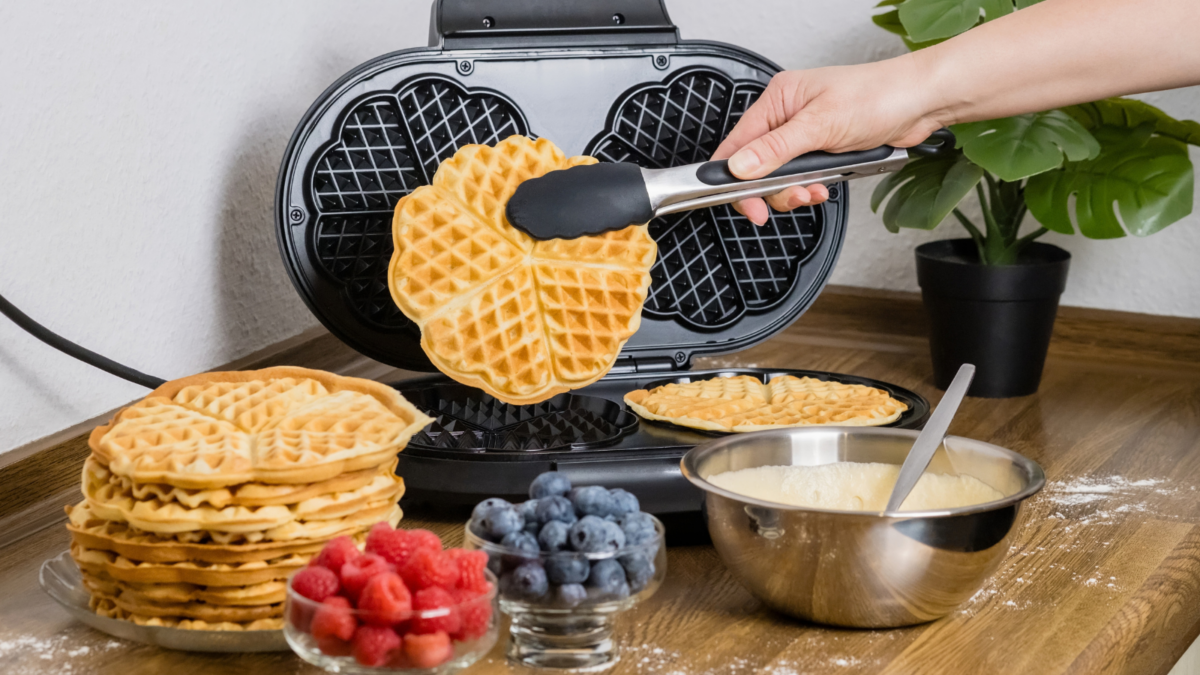
The waffle’s personality comes from what happens when batter meets two hot metal plates.
Instead of spreading batter across a flat griddle, a waffle iron presses it into a patterned mold. That creates the characteristic crisp exterior and soft interior, along with the square pockets that hold everything from syrup to berries.
Waffle irons themselves have a surprisingly long history, with early versions of the idea appearing centuries ago. The modern American stovetop waffle iron got an important upgrade in 1869, when Cornelius Swartwout patented a design that made the appliance easier to use. The waffle iron’s story reminds us that even an ordinary kitchen gadget can have an unexpectedly interesting past.
Same Ingredients, Different Results
The real difference isn’t just the shape, it’s what cooks are trying to achieve with the batter.
Pancakes are generally designed to stay soft and tender, while waffles need enough fat to develop that desirable crisp exterior. That is why a waffle recipe often contains more butter or oil than its pancake counterpart. King Arthur Baking notes that adding extra fat helps create a waffle that is noticeably crisper than a pancake made from similar batter.
There is also a handling difference. Overmixing pancake batter can make the finished cakes tougher, so leaving a few small lumps is perfectly fine. The same principle applies when making waffles: gentle mixing helps preserve a lighter texture, as explained in these waffle-making tips.
In other words, the batter may look innocent, but a little chemistry is happening before breakfast even reaches the plate.
Then Come the Toppings
This might be where the breakfast battle becomes impossible to settle.
Pancakes are wonderfully open-ended. Blueberries can disappear into the batter, bananas add sweetness, chocolate chips turn breakfast into something dangerously close to dessert, and chopped pecans bring crunch. You can also go savory with cheese, herbs, or vegetables.
Waffles have their own advantages because those deep pockets act like tiny topping holders. Maple syrup collects inside them instead of immediately running off the plate, while whipped cream, strawberries, chocolate sauce, and melted butter can all find somewhere to settle.
And you don’t have to stop at traditional breakfast ingredients. Finding new ways to make familiar foods more interesting can turn either one into a completely different meal.
Pancakes Are Easier, But Waffles Have a Secret Weapon
When it comes to equipment, pancakes win on simplicity, but waffles have an advantage once the cooking is finished.
All you need for pancakes is a bowl, a spoon, and a hot pan or griddle. That makes them particularly convenient when you want breakfast without pulling another appliance from the cupboard.
Waffles require an iron, but leftovers can be surprisingly useful. You can reheat a waffle in a toaster or oven to bring back some crispness, making a larger weekend batch practical for another morning. Pancakes can also be reheated, although their texture usually remains softer.
That makes waffles particularly appealing to anyone who enjoys cooking once and making breakfast easier later—a small kitchen habit that can save time during busy mornings.
So, Which One Really Wins?
The reason this debate never ends is that neither breakfast is trying to do the same thing.
Pancakes are soft, comforting, and endlessly adaptable. Waffles are crisp, textured, and built for catching syrup. One feels like a cozy stack made for a slow morning, while the other brings a little more crunch and drama to the plate.
And breakfast is probably better for having both.
If you could only keep one on your breakfast menu forever, would you choose waffles or pancakes—and what topping would you never leave off?