Baking Myths That Can Ruin Your Results: Common Tricks That Do Not Work
Baking often looks simple from the outside. Mix ingredients, place the mixture in the oven, and wait for something delicious to emerge. However, unlike many other types of cooking, baking depends heavily on accuracy and balance. Ingredients such as flour, sugar, fat, eggs, and leavening agents each play a specific role, and even small changes can affect the final texture and flavor.
Because baking can sometimes feel complicated, many home bakers turn to shortcuts and popular “tricks” they find online. Some of these ideas promise softer cakes, faster baking times, or easy ways to fix mistakes. However, many common baking tips rest on misunderstandings of how baking actually works. Some may be useful in certain situations, but others can lead to disappointing results.
Understanding why these tricks fail can help bakers make better decisions and avoid mistakes. Here are some common baking myths and the science behind why they do not always deliver the promised results.
Adding Extra Fat Does Not Always Make Baked Goods More Moist
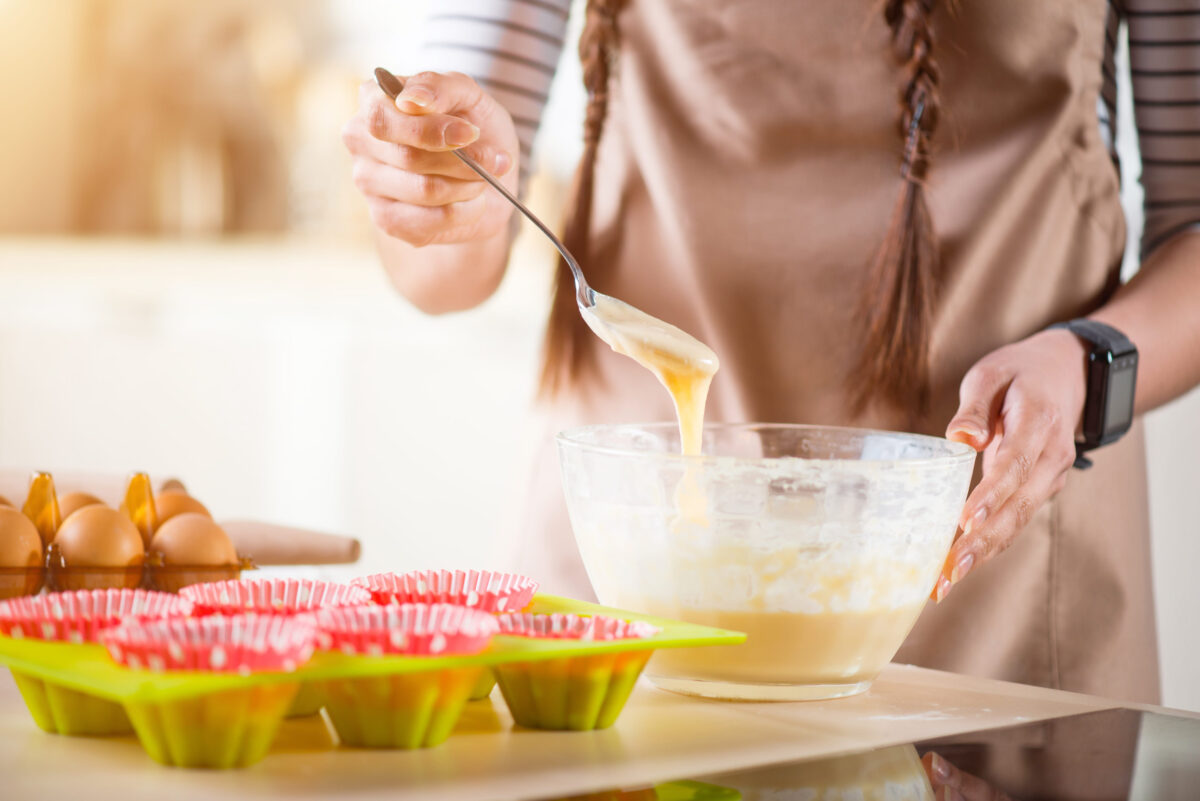
One of the most common beliefs in baking is that adding more butter or oil will automatically make cakes, cookies, and other desserts softer and more enjoyable. While fat is an important baking ingredient, simply increasing the amount doesn’t guarantee a better result.
Butter and oil contribute richness, tenderness, and moisture to baked goods. They help create a pleasant texture by affecting how flour proteins develop and how ingredients combine. However, baking recipes require careful balance. Adding too much fat can upset that balance.
Adding excess fat can interfere with the structure that holds a baked product together. Instead of creating a soft and moist cake, it may produce something heavy, greasy, or overly dense. Cookies may spread too much, and cakes may struggle to maintain their shape.
A successful recipe is not just a collection of ingredients. It is a carefully calculated combination where each ingredient has a purpose. If a cake seems dry, the solution may not be adding more butter or oil. The issue could involve baking time, ingredient measurements, mixing technique, or the type of ingredients used.
Extra Sugar Cannot Simply Fix Too Much Salt.
Another popular kitchen belief is that adding more sugar can fix a recipe with too much salt. While sugar can affect how flavors are perceived, it doesn’t remove or neutralize salt.
Sugar influences sweetness, moisture, texture, and browning during baking. Increasing the sugar content changes the recipe in several ways, but it does not restore the original balance between ingredients.
Adding too much sugar may create a new set of problems. The finished product could become overly sweet, spread differently, brown too quickly, or develop an altered texture. In some baked goods, the additional sugar may prevent the structure from developing properly.
If a recipe contains too much salt, adding more of another ingredient is not always the best solution. Depending on the stage of preparation, it may be better to adjust the recipe by increasing the remaining ingredients proportionally or, in some cases, starting again.
Turning Up the Oven Temperature Does Not Always Save Time
When bakers are in a hurry, increasing the oven temperature can seem like an easy way to finish baking faster. However, ovens do not work like a speed button. Raising the heat does not simply reduce baking time while producing the same result.
Baking requires time because heat must gradually move through the food. During this process, ingredients change in important ways. Butter melts, sugars dissolve, proteins set, starches absorb moisture, and leavening agents create the gases that help baked goods rise.
If the temperature is too high, the outside of a cake, loaf, or pastry may brown too quickly while the inside remains undercooked. The surface can dry out or burn before the center has enough time to set.
Recipes provide specific temperatures and baking times because they are designed to allow these changes to happen correctly. Adjustments may sometimes be necessary depending on the oven or the size of the baked item, but simply increasing the temperature is not a reliable shortcut.
Baking Is Not the Same as Improvising Other Types of Cooking
Many people approach baking the same way they approach cooking. In cooking, you can often add a little more seasoning, swap ingredients, or adjust a recipe as you go. Baking is usually less flexible because it depends on precise chemical interactions.
Flour provides structure, sugar affects sweetness and texture, fats influence tenderness, eggs contribute moisture and stability, and leavening ingredients help baked goods rise. Changing one element can affect the entire recipe.
This is why experienced bakers often measure ingredients carefully and follow recipes closely. Small differences in quantities can create noticeable changes in the finished product.
This does not mean bakers cannot experiment. Understanding each ingredient’s purpose lets you make creative adjustments. The difference is that successful experimentation comes from knowledge, not random shortcuts.
Why Online Baking Hacks Can Be Misleading

The internet has made baking tips and kitchen hacks spread quickly. Short videos and social media posts often offer simple solutions to common problems, but they don’t always show the full process or explain the science behind the technique.
A trick that works once may not work consistently. Baking conditions vary depending on ingredients, equipment, altitude, humidity, and technique. A method that works in one kitchen may fail in another.
That is why reliable baking advice usually focuses on fundamentals rather than quick fixes. Learning how ingredients behave helps bakers troubleshoot problems more effectively.
The Importance of Patience and Precision
The most reliable way to improve baking is to focus on the basics. Measuring ingredients accurately, following instructions carefully, using the correct temperature, and allowing enough baking time are often more effective than trying shortcuts.
Good baking requires patience because many processes cannot be rushed. A cake needs time to rise and set. Bread requires proper fermentation. Cookies depend on carefully balanced ingredients to achieve the desired texture.
Rather than looking for ways to bypass these steps, bakers can benefit from understanding why they matter. The more someone learns about baking science, the easier it becomes to identify what went wrong and how to improve.
Conclusion
Many popular baking tricks fail because they overlook the careful balance behind every recipe. Adding extra fat, increasing sugar to fix mistakes, or raising oven temperatures to save time may sound practical, but these methods can create new problems instead of solving existing ones.
Baking success comes from respecting the relationship between ingredients, temperature, and technique. While creativity has an important place in the kitchen, the best results usually come from combining experimentation with an understanding of baking fundamentals.
The next time a baking shortcut promises an instant improvement, it is worth considering the science behind it first. In baking, accuracy and patience often achieve what quick tricks cannot.