Stop Wasting Money by Storing These 6 Kitchen Staples the Wrong Way
You can spend money on good ingredients and still throw them away too soon because of one simple problem: storage. Many kitchen staples do not need complicated systems or expensive organizers; they just need to be kept in the right place.
A paper bag of flour shoved into a cabinet, bread sitting in the refrigerator, or a spice rack above the stove may seem harmless. But these everyday habits can shorten the useful life of foods you already paid for, leaving you with stale bread, dull spices, rancid oil, or pantry items that no longer perform the way they should.
Here are six common kitchen staples that deserve a storage reset.
Potatoes
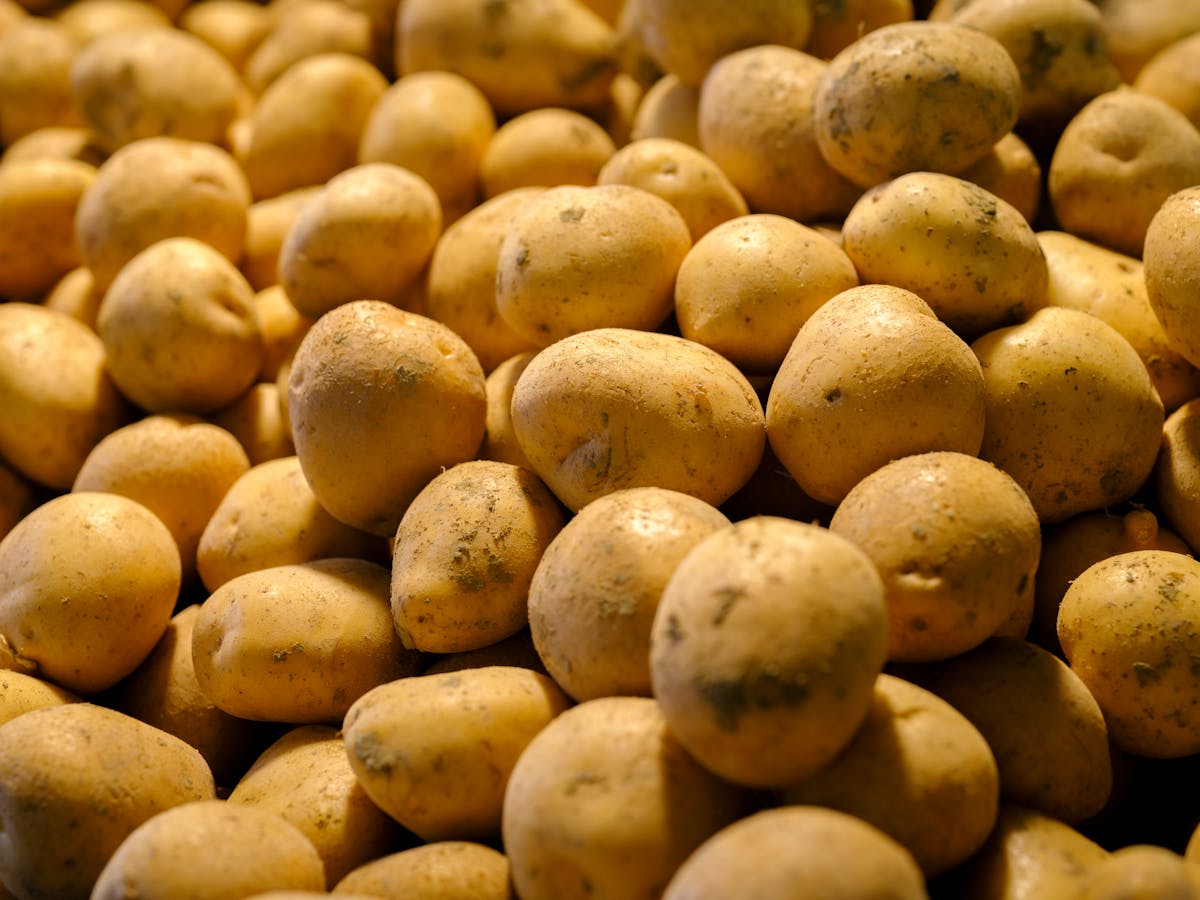
Many people automatically put vegetables in the refrigerator, but whole potatoes are an exception. Storing potatoes in the fridge can affect their quality, while direct light can create other problems, including green discoloration.
Store whole, unwashed white potatoes in a cool, dry, dark, well-ventilated place. A basket, mesh bag, or ventilated container works better than a sealed plastic bag because potatoes benefit from airflow.
Another common mistake is storing potatoes right next to onions. Both may seem like natural pantry partners, but storing them together can shorten their shelf life because of how they interact during storage. Give potatoes their own dark, dry storage area instead of treating them like refrigerator produce.
Sandwich Bread
Putting bread in the refrigerator feels like a smart way to make it last longer. The problem? While colder temperatures can slow mold growth, refrigeration can also make bread lose its soft texture faster. The loaf may dry out and firm up before you finish it.
For everyday sandwich bread, the better move is simple: keep it sealed tightly in its original bag and store it at room temperature if you plan to eat it soon. A loaf like Great Value White Sandwich Bread, a 20-ounce packaged sliced bread, is designed for regular household use and should be protected from air exposure after opening.
If your household cannot finish a loaf quickly, freezing is usually the better option. You can remove slices as needed instead of letting the entire loaf sit until its texture changes.
Stop using the refrigerator as your default bread storage. Keep bread sealed on the counter for short-term use, or freeze what you will not finish.
Ground Cinnamon
Your spice collection may look convenient sitting beside the stove, but that location is one of the worst spots for keeping spices fresh. Heat, steam, and light can slowly reduce the aroma and flavor that make spices useful in cooking.
Ground spices such as McCormick Kosher Ground Cinnamon come in convenient containers, but they still need the right environment. Keeping cinnamon in a tightly closed container inside a cool, dark cabinet helps protect its quality.
This isn’t about making cinnamon unsafe; it’s about getting the flavor you paid for. A spice that has lost its character often leads people to use more of it without getting the same result. Move your spices away from the stove and store them somewhere cool and dry.
Cooking Oil
Cooking oil is one of those ingredients people use every day but rarely think about storing correctly. Many bottles end up sitting beside the stove because it is convenient during cooking.
The problem is repeated exposure to heat and light. Over time, those conditions can speed up oxidation, which affects the oil’s taste and smell.
A bottle like Great Value Vegetable Oil, a 48-fluid-ounce bottle made with soybean oil, is meant to be stored conveniently, but convenience does not mean placing it next to a hot burner. A cool, dark cabinet away from the stove or sunny windows is a better location. Store cooking oil where it is protected, not where it is easiest to grab during cooking.
Flour
A bag of flour often comes home from the store and goes straight into the pantry. That works for unopened packages, but the original paper bag doesn’t protect it well once it’s opened.
Flour can absorb moisture and odors from the environment, and pantry conditions can make it more vulnerable to quality issues and pests. A product like Great Value All-Purpose Enriched Bleached Wheat Flour comes in a 5-pound paper bag, but after opening it, transferring it to a clean, airtight container is a better storage habit.
For people who keep whole-grain flours longer, cooler storage can be helpful because those flours contain natural oils that affect how long they maintain quality.
Rice
Rice is one of the most common pantry staples, but many households leave opened bags sitting in cabinets until they need them again. A partly open or poorly sealed package gives moisture and pantry pests more opportunity to become problems.
Great Value Long Grain Enriched Rice is a typical example of a dry white rice product sold in a 5-pound bag. Once opened, store it in a sealed, food-safe container in a cool, dry, dark cupboard.
Remember that not all rice varieties store the same way. White rice and brown rice have different storage characteristics, with brown rice generally requiring more attention because of its natural oils. Treat rice like a long-term pantry ingredient and protect it with proper sealing.
Small Storage Changes Can Save Big on Groceries
You do not need a kitchen full of expensive organizers to make your groceries last longer. Often, the biggest improvements come from simple habits: moving flour into a sealed container, keeping spices away from heat, storing potatoes properly, and protecting everyday staples from moisture and temperature changes. The goal isn’t just a tidier kitchen; it is getting the full value from the foods you already bought.