6 Foods People Commonly Store in the Wrong Place
A crowded refrigerator can make it tempting to store almost everything in the coldest spot available. But colder is not automatically better for every food in the kitchen. Some foods keep their quality longer in a cool, dry, dark, or ventilated place, while others need steady refrigeration.
Storage needs can also change depending on whether a food is whole, cut, cooked, peeled, ripe, or filled with perishable ingredients. These six everyday foods show why the right storage location depends on the food itself.
Potatoes
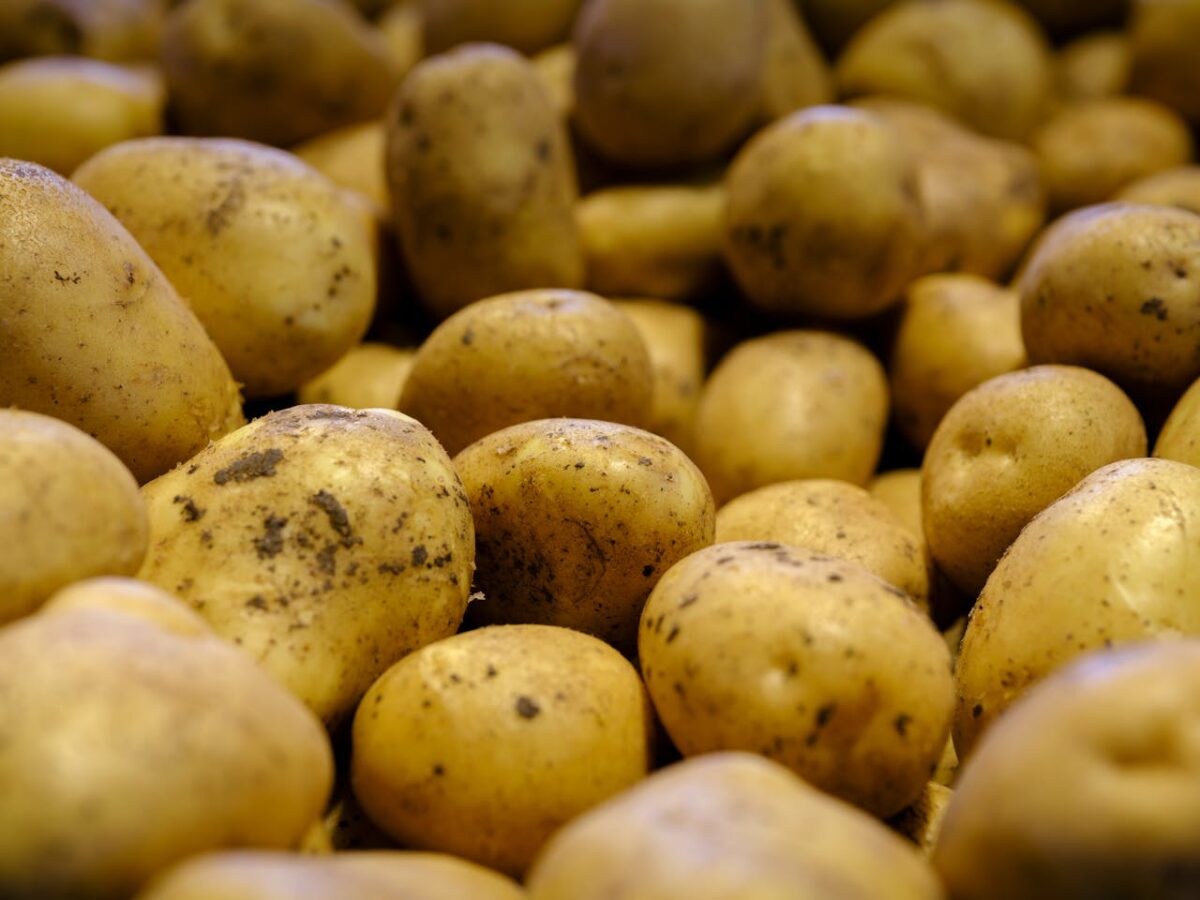
Many people store whole raw potatoes in the refrigerator, often because the produce drawer seems like a convenient place. However, potatoes generally belong somewhere cool, dark, dry, and well-ventilated instead. A pantry cabinet away from the oven, sunlight, and humidity can be a better option.
Potatoes are also better stored in a paper bag, open basket, or ventilated container rather than a sealed plastic bag. Extension guidance recommends keeping potatoes in a cool, dry, well-ventilated area away from light, which can cause greening. Clemson Home & Garden Information Center advises storage around 50°F to 60°F for potatoes.
There is an important difference between raw and cooked potatoes. Once potatoes are cooked, leftovers should be refrigerated promptly because cooked potatoes are perishable. Very warm kitchens may also make ideal storage more difficult, so potatoes may need to be used sooner. Potatoes that have become heavily green or extensively sprouted should not be eaten.
Onions
Whole dry onions are another food that often ends up in the refrigerator even though they are generally better stored elsewhere. Dry yellow, white, and red onions should be kept loose or placed in a breathable container such as a mesh bag or wire basket.
The best location is usually cool, dry, dark, and well-ventilated. Keeping onions next to potatoes in a closed container is also not ideal, so these two kitchen staples are better stored separately.
Clemson Cooperative Extension recommends keeping red, white, and yellow onions in a cool, dark location and in a separate container from potatoes. A mesh bag or open basket provides the airflow that dry onions need better than a sealed plastic bag.
This advice applies to dry storage onions, not every type of onion. Green onions and scallions belong in the refrigerator. Cut or peeled onions should also be refrigerated, with cut onions having a shorter refrigerated storage window.
Garlic
Whole garlic bulbs are often placed in the refrigerator, sometimes sealed in a plastic produce bag. For intact garlic heads, a cool, dry, dark, and well-ventilated location is generally the better choice.
Garlic can be stored in a mesh bag, garlic keeper, or open basket. Keeping cloves inside the bulb until they are needed can also help maintain quality.
A refrigerator is not considered ideal for long-term whole garlic storage because the temperature can encourage sprouting. Properly stored whole bulbs can maintain quality for roughly three to five months in suitable conditions.
The storage rules change once garlic is prepared. Peeled cloves, chopped garlic, and prepared garlic after opening or preparation should be refrigerated. In consistently hot or humid kitchens, refrigeration may be a practical short-term option, although it can encourage sprouting.
Bread
Putting bread in the refrigerator may seem like a way to make a loaf last longer, but standard bread products often do better stored differently. Bread that will be eaten within a few days can usually stay tightly wrapped at room temperature.
For loaves that will not be finished soon, freezing is generally the better choice. Slicing the bread before freezing makes it easier to remove individual portions when needed.
Refrigeration can slow mold growth, but it also speeds up staling. This guidance applies to standard shelf-stable breads such as loaves, rolls, and bagels.
There is an important exception: baked goods containing perishable fillings need different handling. Cream-filled pastries, custard-filled desserts, and items containing ingredients such as whipped cream, cream cheese, or eggs must be refrigerated.
Eggs
The refrigerator door often has a built-in egg holder, which can make it seem like the natural place to store eggs. However, eggs are generally better kept in their original carton on an interior refrigerator shelf, ideally toward the back or another consistently cold area.
The refrigerator should be maintained at 40°F or below. Keeping eggs in their carton helps protect them, while the door is exposed to temperature changes each time it is opened. Washington State University specifically advises refrigerating eggs promptly in their original carton and avoiding the refrigerator-door rack because temperatures there fluctuate widely.
This advice is for U.S. store-bought refrigerated eggs. These eggs should not be left on the counter after purchase. Hard-cooked eggs also need refrigeration and have a much shorter storage window than raw shell eggs.
Egg storage practices can vary in places where eggs are sold unrefrigerated, so local handling guidance should be followed rather than applying one rule everywhere.
Tomatoes
Tomatoes are one of the foods where storage depends heavily on their condition. Automatically refrigerating every whole tomato can affect quality, but leaving cut tomatoes out is a different matter.
Intact, unripe tomatoes should generally be allowed to ripen at room temperature away from direct sunlight. Once ripe, they can be refrigerated if they will not be used promptly. If flavor is the priority, bringing refrigerated tomatoes closer to room temperature before eating may help.
Cut tomatoes should be refrigerated in a covered container because cutting changes the storage requirements. Fresh-cut tomatoes and other cut produce need more careful handling than whole produce. USDA guidance for food-service handling says tomatoes should be held at 41°F or below after cutting, including sliced, chopped, and diced tomatoes.
The simplest kitchen storage rule is that whole foods and prepared foods often have different needs. Pantry staples usually need the right airflow and dryness, refrigerated foods need stable cold temperatures, and cut foods generally move into the refrigerator. A little attention to where each food belongs can help preserve freshness, texture, and quality in everyday cooking.