Dinner Is Saved: 5 Brilliant Meals You Can Make With Pasta and Practically Nothing Else
A box of pasta isn’t just a backup plan; it is a full dinner waiting for a little salt, fat, and know-how. With garlic and olive oil, cheese and black pepper, a can of tomatoes, or even a simple egg, dried noodles can turn into a glossy, comforting meal without a complicated recipe or a packed refrigerator.
The real hero is pasta water. That cloudy, starchy liquid helps turn pantry ingredients into sauces that cling to noodles, making a dinner of “almost nothing” taste deliberate rather than like a last-minute kitchen rescue.
Start with garlic, oil and noodles
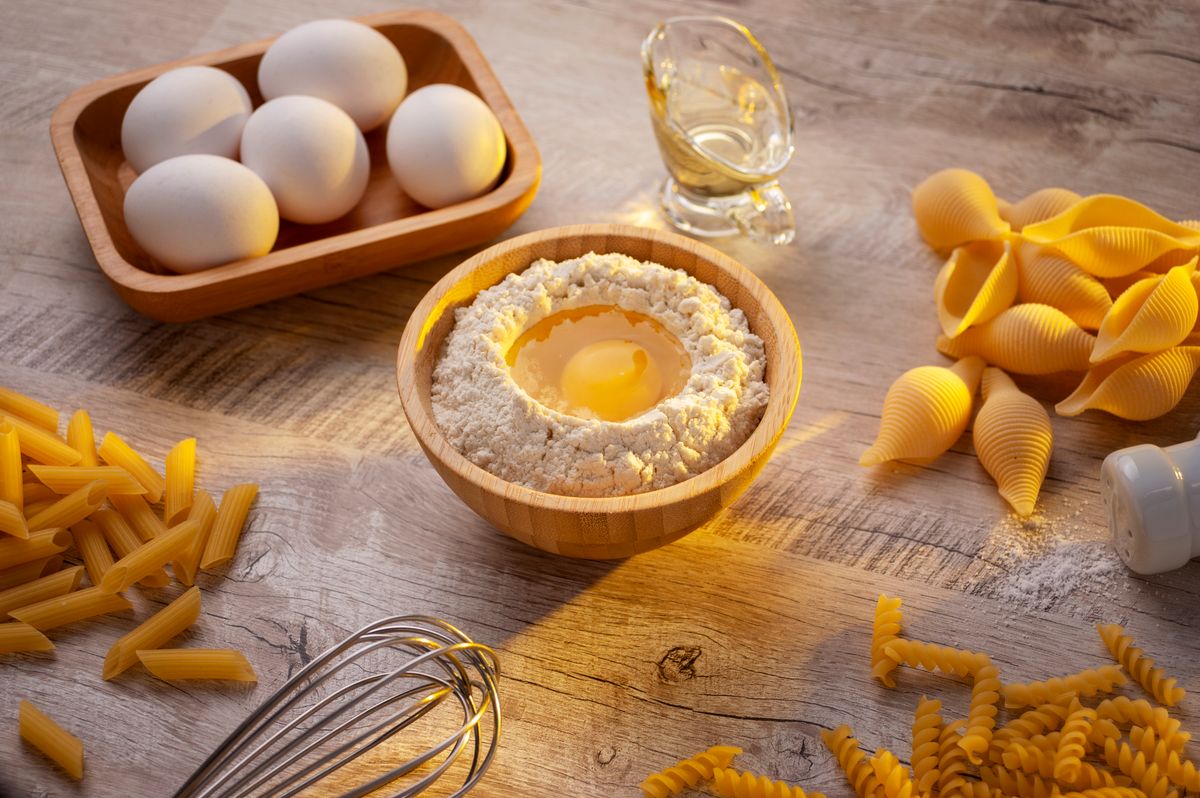
The most essential pantry pasta may be spaghetti aglio e olio: dried spaghetti tossed with gently cooked garlic and olive oil. Serious Eats says the dish can be made with “spaghetti, garlic, salt, and oil,” while a pinch of red pepper flakes is a welcome optional addition for cooks who want heat.
The method is straightforward, but it relies on timing. While the pasta boils in salted water, cook the thinly sliced garlic gently in olive oil until very lightly golden. Move the pasta into the skillet when it is just shy of al dente, then toss rapidly over high heat with a few tablespoons of cooking water until the oil and starch form a creamy coating.
That last move is the difference between noodles sitting in an oily puddle and noodles wrapped in a silky sauce. Serious Eats explains that the pasta water emulsifies the oil, creating a sauce that coats the noodles. Finish with another drizzle of olive oil, and dinner is ready.
If you have a little more on hand, the formula has room to expand. Add red pepper flakes to the garlic oil for aglio, olio e peperoncino; add parsley for a fresh note; or shower the finished bowl with Parmesan or Pecorino. The bones of the dish remain the same, which is why it is so useful on a night when the pantry is doing most of the talking.
Related: Bari Ristorante Brings a Theatrical Italian Dining Experience to The Woodlands Waterway
Cheese, pepper, and pasta water can go far
Cacio e pepe is another masterclass in making a few ingredients feel like a real event. In its traditional form, Serious Eats describes it as pasta, Pecorino Romano, black pepper, water, and salt. No cream is required, but the dish depends on a properly made cheese-and-starch emulsion that turns into a glossy sauce rather than a clumpy one.
The flavor comes from freshly ground black pepper toasted in a skillet, then combined with pasta and starchy cooking water. Cheese is incorporated carefully, aiming for a coating creamy enough to cling to every strand. Serious Eats notes that the ingredient list is “exceedingly few,” but also cautions that getting the emulsion right can be challenging.
Daniel Gritzer’s more foolproof version uses a cornstarch slurry, a technique Serious Eats says helps prevent the sauce from breaking. That matters because cheese can seize or clump when the temperature and liquid balance are off. The workaround lets home cooks get closer to the smooth, creamy texture associated with restaurant cacio e pepe without adding heavy cream.
A related emergency-dinner option is buttered pasta with grated hard cheese and black pepper. It is not cacio e pepe in the strict sense, but it follows the same comforting logic: hot noodles, a little fat, sharp cheese and a splash of pasta water. If there is an egg in the refrigerator, Bon Appétit’s “back pocket pasta” guide notes that a fried or poached egg can transform a basic bowl into something “saucy” and more substantial.
If you have one extra pantry staple
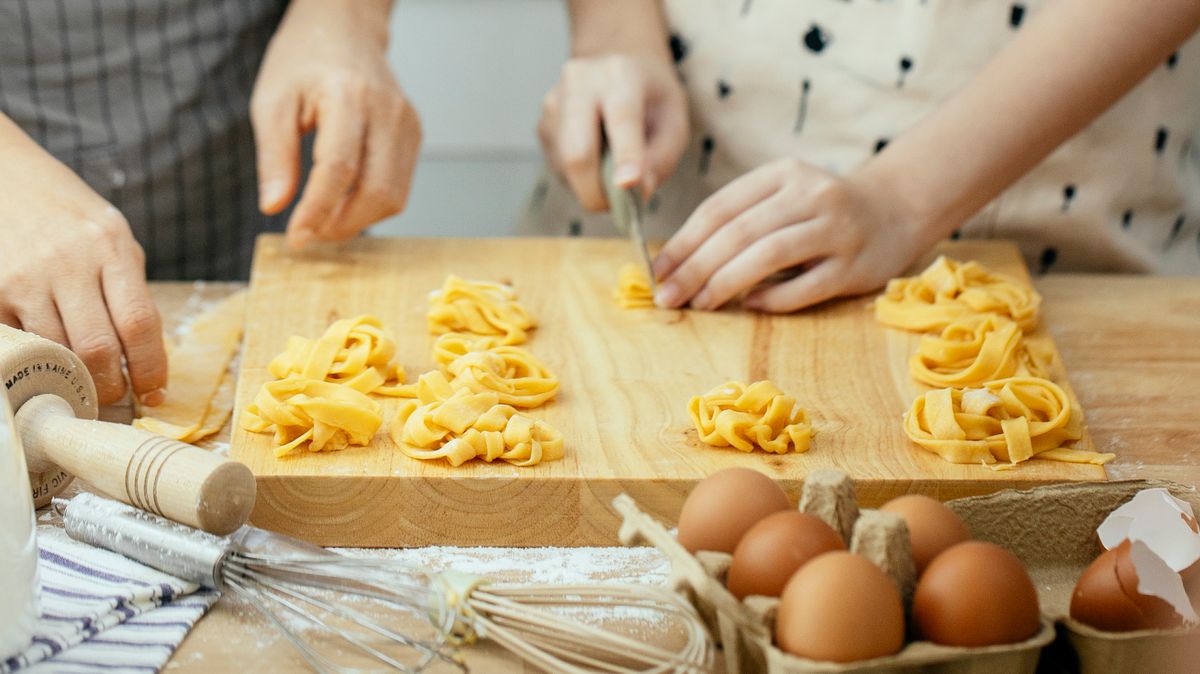
A can of tomatoes opens up a different direction. Serious Eats includes a pantry pasta made with dried long pasta, oil-packed tuna, canned whole peeled tomatoes, garlic, and red pepper flakes, which comes together in about 30 minutes. It is proof that a simple can or jar can turn pasta from a side dish into dinner.
If tuna is not in the picture, tomatoes, garlic, olive oil, and pasta still provide a reliable starting point. Cook the garlic gently in olive oil, add tomatoes, season with salt and pepper, and let the sauce simmer while the pasta cooks. Toss the noodles directly in the sauce with a little pastawater so the components come together rather than sitting separately on the plate.
Have beans? Bon Appétit offers a vegan pantry pasta with a cream sauce made from beans and pasta water, no soaked nuts, steamed cauliflower, or blender required. The recipe instructs cooks to make sure the beans are adequately hydrated and to keep enough pasta water in the pot once mashing begins, so the mixture stays saucy instead of drying out.
Breadcrumbs can also change the whole mood of a bowl. Bon Appétit recommends keeping breadcrumbs in the pantry and “doctor ’em up” with lemon zest or herbs, while its pantry pasta recipe uses garlic, oil, optional anchovies, red pepper flakes, butter, Parmesan, parsley and lemon to make a richer meal. Toasted breadcrumbs add crunch when you don’t have meat, vegetables, or much else to add.
The big takeaway is that pasta dinners do not have to begin with a long shopping list. Keep dried pasta, a flavorful oil, garlic, a hard cheese, black pepper, canned tomatoes or beans, and maybe breadcrumbs in reach. Between aglio e olio, cacio e pepe, tomato pasta, and bean-based sauce, there are more than a few ways to make a box of noodles feel like the plan all along.