Move Over, Pumpkin Spice: Why Pickles Are Suddenly Taking Over Your Snack Drawer
Pickles are no longer content to sit beside a burger or quietly share a plate with a deli sandwich. In 2026, the briny flavor is turning up in chips, popcorn, nuts, candy, cocktails, pizza, smoothies, butter, and even frozen treats, and food trend watchers say the takeover is bigger than a fleeting novelty.
The short answer is that pickle flavor delivers exactly what many shoppers want right now: a loud, salty, sour, herb-forward hit that makes familiar foods feel new. But the longer answer involves Gen Z’s appetite for bold flavors, social-media-ready food experiments, nostalgia, restaurant innovation, and brands realizing that people will happily try a dill-seasoned version of nearly anything.
Pickles Have Officially Left the Burger Plate
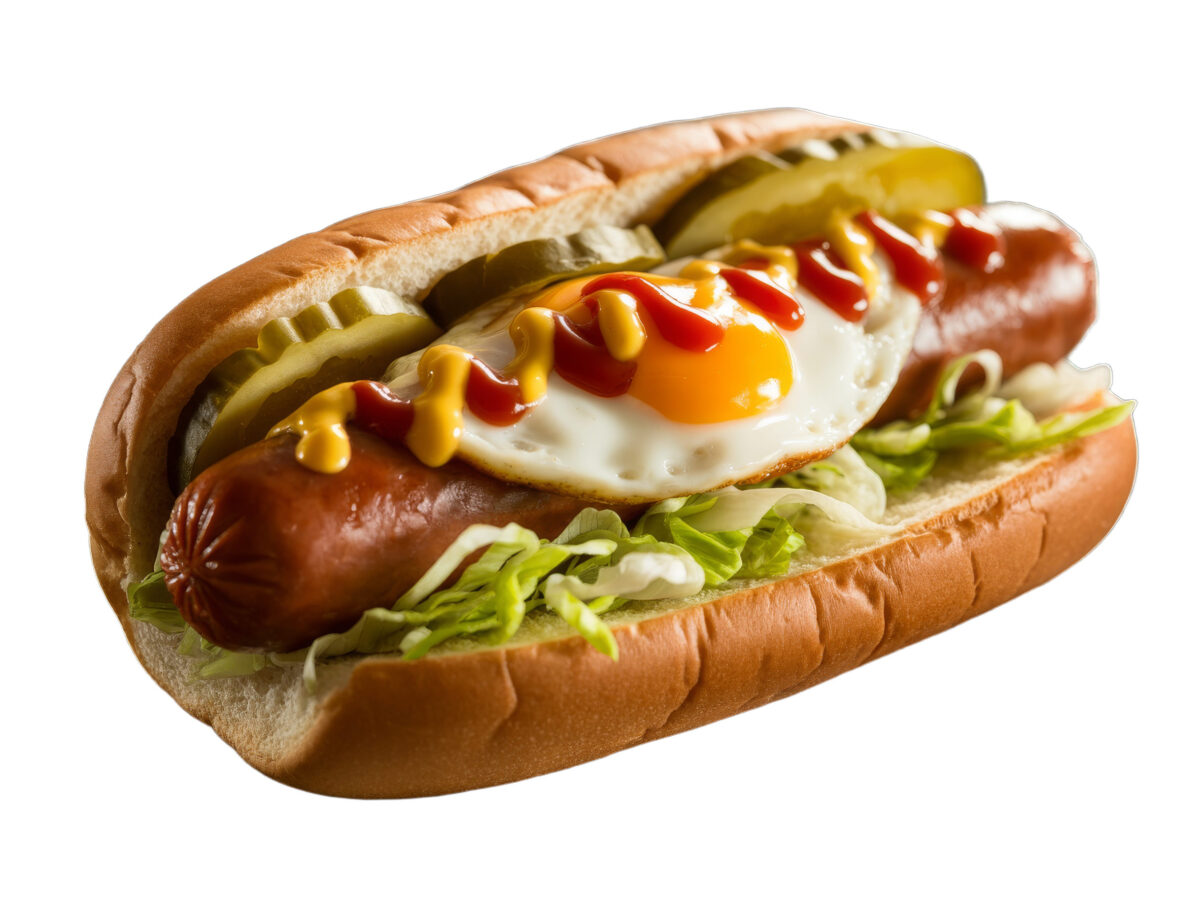
For decades, the pickle’s role in American food was simple and dependable. It added crunch to sandwiches, tang to burgers, and a sharp contrast to rich barbecue or fried food. Now, that supporting player has become the main event, showing up in products that would have sounded like a prank just a few years ago.
Food trend analyst Andrea Hernandez, creator of the Snaxshot newsletter, told CNN that pickles have experienced a “pickle renaissance” over the past decade. She argued that the flavor is increasingly functioning as a summer equivalent of pumpkin spice: a recognizable seasonal mood rather than simply an ingredient in a jar. “This is not just a gimmick; it represents a significant breakthrough for a category that has been dormant for some time,” Hernandez said.
That shift is easy to spot on grocery shelves. Food & Wine reported from the 2026 Sweets and Snacks Expo in Las Vegas that “pickle-flavored everything” was among the major trends presented by more than 1,000 brands. Pickle flavors now appear in classic salty snacks including potato chips, popcorn, peanuts, and pretzels, but they are also pushing into candy and more unusual packaged foods.
Ean Mangum, business development coordinator at Van Holten’s, put the trend in perspective for Food & Wine: “Pickles have been a trend for the past five years.” The difference now is reach. What began as a familiar flavor in chips and snack mixes has spread into an entire product-development playground, where brands are testing how far consumers will follow a dill-and-vinegar profile.
Some examples are intentionally over-the-top. Zesty Snackz introduced a pickle-flavored sour candy described as “bold, juicy, and packing that signature Zesty sour punch,” while Late July planned a dill-pickle-and-lemonade tortilla chip. Those launches aren’t evidence that every pickle product will become a pantry staple, but they do show the flavor has firmly crossed into the novelty-and-discovery economy that drives today’s snack aisle.
Related: The Boomer Food Traditions That Still Bring People to the Table
The Flavor Hits More Than One Note
Pickle’s appeal is not just about vinegar. A good dill pickle flavor brings saltiness, acidity, herbs, garlic, sometimes sweetness, and often a little spice. That layered combination makes it flexible enough to brighten rich foods, cut through fat, and give otherwise ordinary snacks a sharp, attention-grabbing finish.
The American Culinary Federation’s 2025 food-and-industry trends report described pickling as a “creative revival,” noting that chefs are using pickled ingredients to bring acid and tang to dishes while also preserving seasonal produce and potentially reducing food waste. The report, citing Datassential research, said 31% of menus featured pickled ingredients, 67% of consumers had tried pickled items, and 46% said they loved or liked pickled flavors.
That matters because the modern pickle boom isn’t limited to actual cucumber pickles. Restaurants and food companies are borrowing the broader profile dill, brine, garlic, vinegar, salt, and sourness, and applying it to chicken sandwiches, fries, dips, seafood dishes, dressings, compound butters, and cocktails. Datassential also identified dill pickles among the pizza toppings that had gained menu traction in the year covered by the federation’s report.
The appeal is especially clear in fried foods. A dill-forward seasoning can give potato chips or popcorn the same salty, tangy contrast that makes a pickle such a natural companion to a rich sandwich. It is a way to make a snack feel more assertive without relying entirely on heat, sugar, or cheese powder, and it gives brands a flavor that is immediately recognizable before the bag is even opened.
There is a broader culinary reason, too. The rise of fermented foods, punchy condiments, chili crisp, hot honey, global spice blends, and sharp sauces has primed diners for flavors that are more complex than plain salty or sweet. Pickle flavor belongs neatly in that world, particularly because it can suggest both comfort and experimentation at the same time.
Social Media, Nostalgia, and a Very Loud Summer

The pickle trend has found a particularly receptive audience among younger consumers, who have grown up with food content that rewards surprise, extremes, and visual drama. A neon-green pickle smoothie or a pickle-flavored ice pop may not appeal to everyone, but it is immediately recognizable, easy to react to, and likely to prompt someone to film a first taste.
Hernandez told CNN that Gen Z consumers became increasingly interested in intense flavor combinations during the pandemic, when food videos, mukbang content, mash-ups, and online challenges put spicy, sour, and unconventional foods directly into people’s feeds. She said younger eaters are drawn to “sophisticated” combinations that can mix global culinary influences, strong branding, and perceived wellness benefits.
That does not mean every health claim connected to pickle products deserves a free pass. Pickles and pickle brine can be associated with fermentation, sodium, and electrolyte marketing, but individual products vary widely, and a pickle-flavored candy or chip is not nutritionally comparable to fermented vegetables. The safest conclusion is simply that brands have recognized consumer interest in foods positioned as both flavorful and functional, particularly in snacks and beverages.
Hernandez also framed the movement as “Pickles 2.0,” saying, “Snacks have become a way to express identity.” That helps explain why the trend is playing out beyond the refrigerator aisle. Carrying a dill pickle snack, trying a briny cocktail, or posting a reaction to pickle candy can be part taste preference, part entertainment, and part low-stakes cultural participation.
The craze also carries nostalgia. Pickles remain tied to familiar American food rituals: cookouts, ballparks, deli counters, backyard sandwiches, burger baskets, and the unmistakable snap of a cold dill spear. As food consultant Jo Lee told CNN, “Pickles encapsulate the current mood, providing a safe sourness that resonates” with Gen Z.
So, why are pickles suddenly showing up in everything? Because the flavor is versatile, memorable, and built for a food culture that wants snacks to do more than taste good. Pickles offer crunch without crunch, tang without a complicated explanation, and enough personality to make a plain bag of chips feel like an event. For now, at least, America isn’t just eating the pickle on the side; it’s making room for it everywhere.