America’s Hidden Cravings Crisis: Are Ultra-Processed Foods the Next Big Addiction?
If you visit almost any grocery store, convenience shop, school cafeteria, or fast-food restaurant in America, you’ll notice a trend: highly processed foods are now a regular part of daily life. For many people, packaged snacks, sugary drinks, frozen meals, fast-food combos, and ready-to-eat products are not just occasional treats; they make up a large part of what people eat every day. This change has sparked debate among scientists, health experts, and the public about whether the issue is just unhealthy eating habits or if some modern foods are actually leading to addiction-like behaviors that are hard to control.
The saying “food addiction is the largest drug habit in America” is striking, but the science is more complex. Researchers have not found that food works the same way as drugs like alcohol, nicotine, or opioids, and food addiction is not officially recognized as a medical diagnosis. Still, more evidence shows that some people have strong cravings, lose control, and keep eating certain foods even when it causes problems, especially when those foods are highly processed and made to be very appealing.
The Rise of Ultra-Processed Foods in America
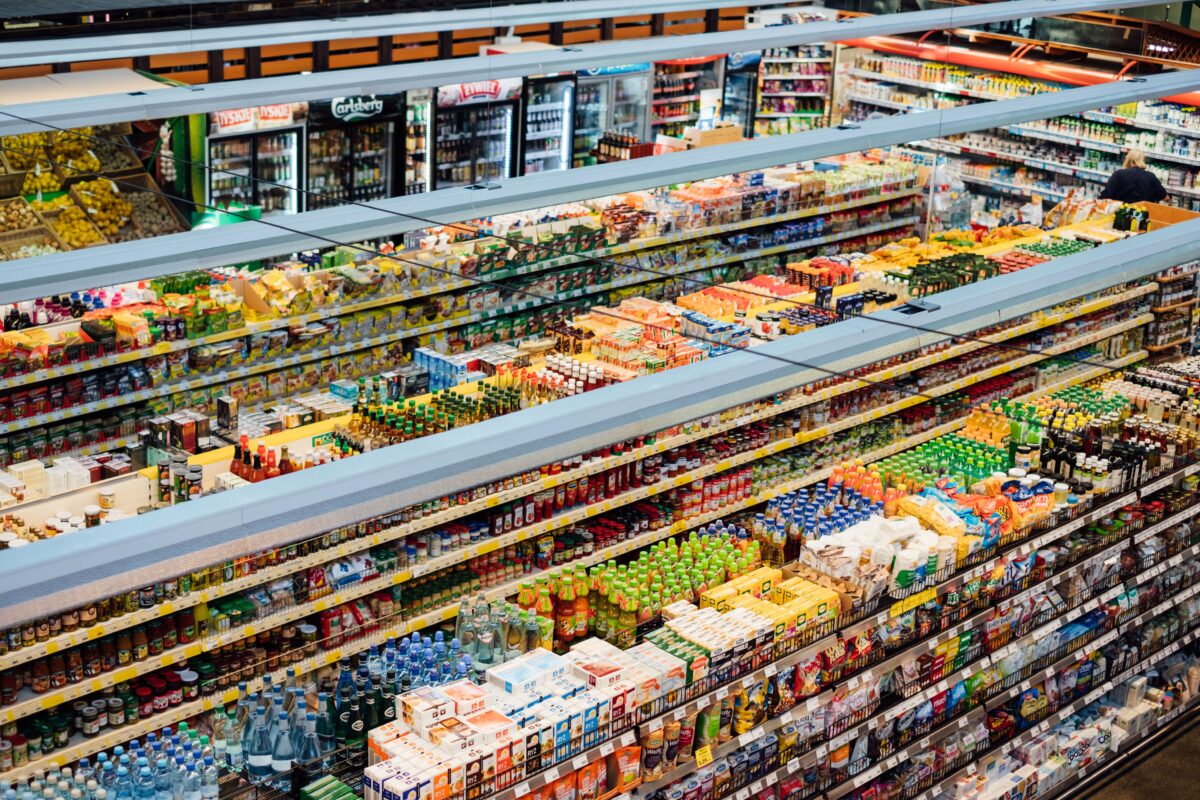
One major reason people are talking more about food addiction is the huge amount of ultra-processed foods in the American diet. Federal health data show that, between 2021 and 2023, Americans aged one and older got about 55% of their daily calories from ultra-processed foods. For children and teenagers, that number was even higher, almost 62% of their daily calories.
Ultra-processed foods cover a wide range of items, like packaged snacks, sweetened drinks, frozen meals, processed meats, desserts, and other factory-made foods. These often mix refined carbs, added sugars, fats, salt, and extra flavors.
But experts say that eating these foods doesn’t mean someone is addicted. Millions of people eat processed foods without showing signs of addiction. The real concern is with a smaller group who have strong cravings, find it hard to cut back, eat more than they planned, and keep eating certain foods even when it harms their health or well-being.
What Scientists Mean When They Talk About Food Addiction
Food addiction is not officially listed as a diagnosis in medical manuals like alcohol or drug addiction. Instead, researchers use tools like the Yale Food Addiction Scale to see if some eating habits look like symptoms linked to substance-use disorders.
These symptoms can include strong cravings, failed attempts to eat less, feeling unable to stop eating certain foods, and feeling upset about eating habits.
Studies show that some people report these experiences. A 2024 review found that about 14% of adults and 15% of young people worldwide might meet the criteria for ultra-processed food addiction, based on screening tools. Still, scientists say these numbers are not official diagnoses, since research methods differ and the idea is still being studied.
Experts agree that food affects the brain. Eating triggers reward systems that use dopamine, a chemical linked to motivation, learning, and pleasure. This is normal and needed for survival. The harder question is whether some foods can cause behaviors so similar to addiction that they need a different response.
Why Some Foods May Be Harder to Resist
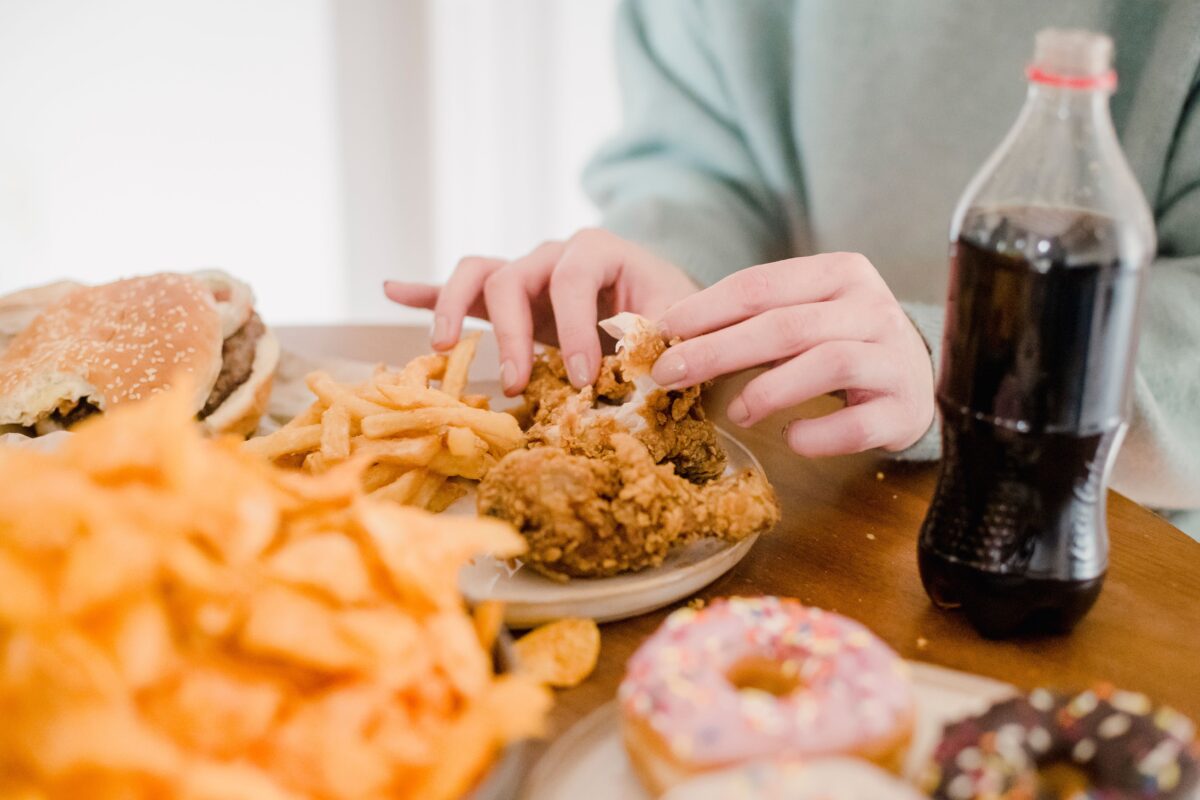
Researchers who study food addiction usually look at specific ultra-processed foods, not all foods. They focus on items that mix things like sweetness, lots of fat, salt, strong flavors, and textures that make people eat quickly.
These mixes can make some foods extra tempting because they are made to give a strong sensory experience. People might eat not just because they are hungry, but because a certain taste, smell, memory, or feeling makes them really want that food.
A key study by the National Institutes of Health changed how people talk about ultra-processed foods. In this study, 20 adults ate either an ultra-processed diet or an unprocessed diet for two weeks each. Both diets had the same calories, sugar, fat, salt, and nutrients, but people could eat as much as they liked.
The researchers found that people ate about 508 more calories per day on the ultra-processed diet and gained weight during that time. They also ate faster than when they were on the unprocessed diet.
The study didn’t prove that processed foods are addictive, and researchers admit it was small and short-term. Still, it showed that how food is made can affect how much people eat, beyond just hunger or personal choice.
The Role of the Modern Food Environment
Talking about food addiction also brings up questions about how America’s food system has changed. Today, food companies compete to make products that are cheap, convenient, appealing, and tasty enough that people want to buy them again and again.
Public health experts say that today’s food environment makes it hard for many people to control what they eat. Highly processed foods are everywhere, from stores and gas stations to workplaces and schools. These foods are often cheap, heavily advertised, easy to keep at home, and made with flavors and textures that most people like.
Experts also note that people’s situations matter. Many families rely on processed foods because they have busy lives, tight budgets, and many demands. For someone working several jobs, caring for kids, or living where fresh food is hard to find, convenience isn’t just a choice; it’s a necessity.
That’s why many researchers say the problem can’t be fixed just by telling people to “make better choices.” The environment around us shapes what choices are actually possible.
Addiction, Habit, and Eating Disorders Are Not the Same
One big challenge in the food addiction debate is telling different eating behaviors apart. A habit, like snacking while watching TV or having a sugary drink every afternoon, doesn’t always mean addiction.
Sometimes people overeat, but that doesn’t mean they have a disorder. Binge-eating disorder is a real medical condition. It means having repeated times when someone eats a lot of food, feels out of control, and feels very upset about it.
Researchers who study food addiction say that some people have eating patterns that are more than just habits and look like addiction. But critics say calling it addiction might make complex issues like psychology, genetics, stress, mental health, and social factors seem too simple.
The Human Cost of America’s Food Crisis
The effects of unhealthy eating go far beyond personal choices. Diseases linked to diet lead to huge healthcare costs and impact millions of families across the country.
The CDC says about 40.3% of American adults had obesity between 2021 and 2023, and childhood obesity is still a big public health issue. But experts warn that obesity alone doesn’t prove addiction, since many things- like genetics, medicine, sleep, stress, income, environment, and access to healthy food- affect body weight.r some individuals, problematic eating can become an emotional cycle. Stress, loneliness, anxiety, or difficult life experiences may lead someone to seek comfort through food. Temporary relief may then be followed by guilt, attempts at strict restriction, and renewed cravings.