The 15 Worst Possible Foods to Have for Dinner
Dinner is not ruined by a slice of pizza, a bowl of mac and cheese, or the occasional takeout meal. But some dinners become less-than-ideal choices when they regularly combine oversized portions, heavy sauces, processed ingredients, or poor preparation habits.
The “worst possible” dinners are not about declaring certain foods forbidden. Context matters: how often you eat them, how much you serve, and how you prepare them can make a big difference. Some meals make it easier to pile on sodium, saturated fat, added sugars, or excess portions without realizing it. Others make the list because improper storage or cooking can create food-safety problems.
Here are 15 dinner choices that deserve a second look.
Large Stuffed-Crust, Meat-Loaded Pizza
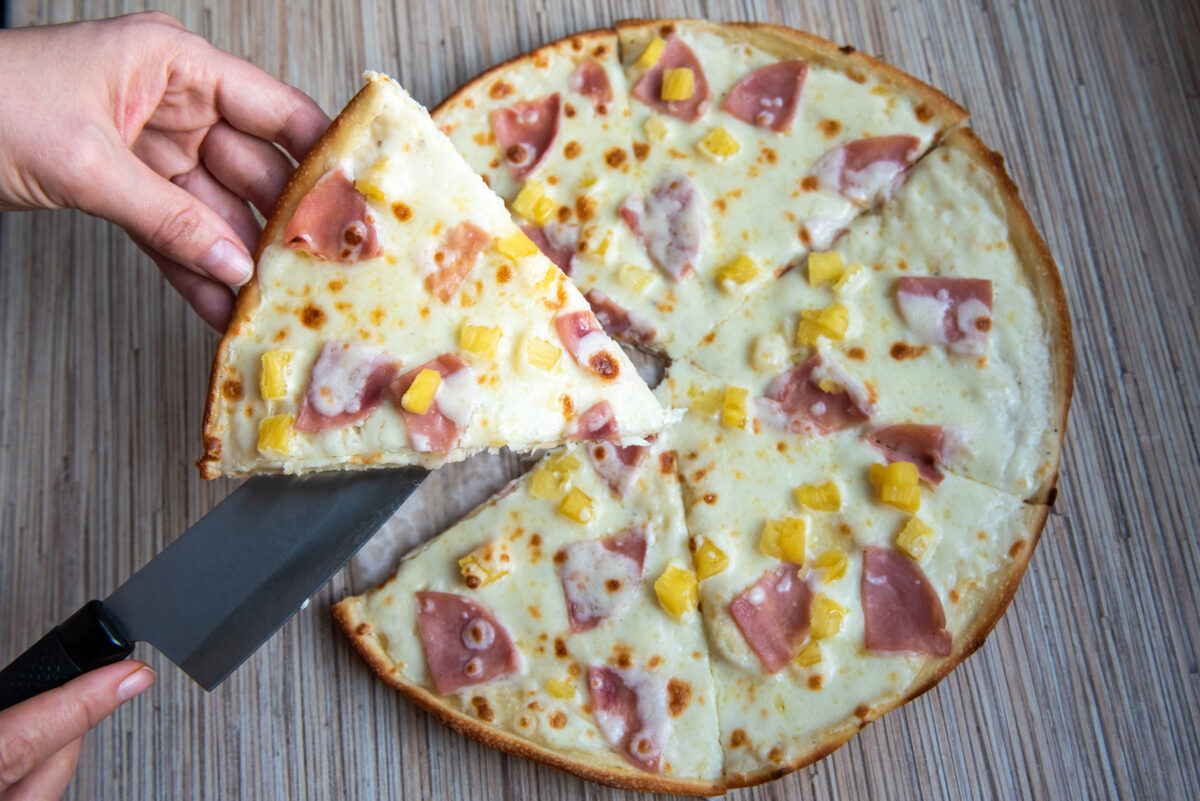
A large stuffed-crust pizza loaded with processed meats, extra cheese, and salty sauce can turn a simple dinner into a very heavy meal. The combination of a refined crust, cheese, meat toppings, and generous portions can add up quickly.
The issue is not an occasional slice. It is when an entire meat-loaded pizza becomes the regular dinner plan. Pairing fewer slices with a vegetable side or choosing lighter toppings can create a more balanced plate.
Related: 6 dinners we’re all tired of pretending to like
Double Bacon Cheeseburger Meal With Large Fries and Soda
A double bacon cheeseburger meal stacks several rich ingredients together: beef, bacon, cheese, fried potatoes, salty sauces, and a sugary drink.
Each item alone may seem manageable, but combining them into one oversized meal can make dinner much heavier than expected. Portion size is often the biggest factor with this type of fast-food combination.
Extra-Large Creamy Pasta Entrée
Creamy pasta dishes like oversized fettuccine Alfredo often combine large portions of pasta with butter, cream sauces, and cheese.
The problem is usually not the pasta itself, but the restaurant-sized serving, which can be much larger than a typical home portion. Adding vegetables or choosing a tomato-based sauce can create a different dinner experience.
Chicken-Fried Steak or Country-Fried Chicken With Cream Gravy
Few meals are as comforting as crispy fried meat covered in creamy gravy. But this combination brings together breading, frying, rich sauces, and often heavy side dishes.
Menu words like “fried,” “crispy,” “smothered,” and “gravy” can signal a dinner designed to be especially rich. These meals can be enjoyable occasionally but may feel excessive as a frequent evening choice.
Processed-Meat Sub Sandwich
Italian cold-cut subs, meatball sandwiches, and sausage sandwiches can become surprisingly heavy dinners.
Between cured meats, cheese, bread, sauces, and salty toppings, one sandwich can contain many concentrated ingredients at once. Larger restaurant-style sandwiches also make portion sizes easy to underestimate.
Instant Ramen With Processed Meat Added
Instant ramen is inexpensive, convenient, and popular for quick meals. The challenge comes when you combine the seasoning packet with extra-salty additions like sausage, hot dogs, deli meat, or cheese.
Not every ramen product is the same, but some varieties can contain a significant amount of sodium. Adding vegetables, eggs, beans, tofu, or other ingredients can turn a basic packet into a more complete meal.
Frozen Pepperoni Pizza With Dipping Sauce
Frozen pizza is one of the easiest dinners to prepare, but adding extra sauces can make an already rich meal even heavier.
Pepperoni pizza combines cheese, cured meat, refined grains, and sauce. The serving information on frozen foods is also worth checking because one package may contain multiple servings.
Boxed Macaroni and Cheese With Hot Dogs
This classic comfort meal is cheap, familiar, and easy to prepare. It also combines two processed convenience foods on one plate.
The result can be a filling dinner that lacks variety. Adding vegetables or serving a smaller portion alongside another dish can change the meal significantly.
Loaded Nachos With Queso, Beef, and Salty Toppings
Nachos can go from snack to full dinner quickly. A large plate covered with queso, sour cream, beef, salty toppings, and chips can become much heavier than a typical serving.
The biggest issue is often portion size. A shareable restaurant platter can easily become a one-person dinner without much thought.
Fried Chicken Combo With Fries, Biscuit, and Sugary Drink
A fried chicken dinner often includes several rich components at once: breading, fried sides, buttery bread, sauces, and sweet beverages.
The meal combination matters. A smaller portion of fried chicken paired with different sides creates a very different dinner than a full combo meal.
Sugary Breakfast-for-Dinner Plate
Breakfast foods can absolutely work for dinner, but some versions lean heavily toward pancakes, waffles, syrup, bacon, sausage, and sweet drinks.
When dinner becomes mostly refined grains, added sugars, and processed meats, it may leave little room for other foods. A breakfast-inspired dinner can look very different when it includes options like eggs, fruit, or vegetables.
Creamy Canned Soup as the Entire Dinner
A bowl of soup may seem like a simple dinner solution, but some creamy canned soups can be surprisingly concentrated.
The situation gets heavier when you pair the soup with crackers, grilled cheese, deli meats, or other salty sides. Check labels and add ingredients like vegetables or beans to make a more substantial meal.
Leftovers That Sat Out Too Long
This entry differs from the others because it focuses on food safety, not nutrition. Perishable foods such as leftover rice, poultry, and casseroles should not be left at room temperature for extended periods.
Food safety agencies recommend refrigerating perishables within two hours and keeping refrigerators at 40°F or below. A leftover meal can be perfectly fine when stored correctly, but risky when you ignore handling rules.
Undercooked Ground Beef or Chicken Dinner
Burgers and chicken dishes are common dinner staples. The concern isn’t the food itself, but whether it reaches a safe internal temperature.
Using a food thermometer is a reliable way to check doneness. The FDA recommends specific internal temperatures, including 160°F for ground meat and 165°F for poultry.
Raw Oysters, Raw Shellfish, or Raw-Milk Dinner Items for Higher-Risk Diners
Raw animal products require extra care because they can carry foodborne illness risks. This doesn’t mean every serving is a problem.
However, FDA guidance notes that certain groups, including pregnant people, older adults, young children, and people with weakened immune systems, should take extra precautions with these foods.
Final Thoughts
The “worst” dinners are usually not about one ingredient. They are often about combinations: oversized portions, several rich components stacked together, or unsafe preparation habits.
A pizza night, burger dinner, or comfort-food meal can still fit into a normal routine. The bigger lesson is to notice portion sizes, preparation methods, and how often these heavy dinner choices appear on the table.