Malcolm Kenyatta Fires Back: ‘Protect the Republic? Start by Removing Mike Johnson’
House Speaker Mike Johnson meant to sound the alarm. Instead, Democrats heard an opening.
In a political moment already loaded with drama, Johnson’s warning about the 2026 midterms landed online like gasoline near a match. He argued that if Republicans lose control of the House, it could effectively halt President Donald Trump’s second-term agenda. That is the kind of line designed to wake up donors, scare loyal voters, and remind every Republican candidate that November 3, 2026, is not just another election day.
Then Rep. Malcolm Kenyatta, a Democratic National Committee vice chair and Pennsylvania state lawmaker, responded with just two words: “You promise?”
That was it. No paragraph. No policy memo. No cable news sermon. Just a quick jab that turned a Republican warning into a Democratic punchline and showed, once again, how modern politics often moves fastest when it moves shortest.
Johnson Tried to Raise the Stakes
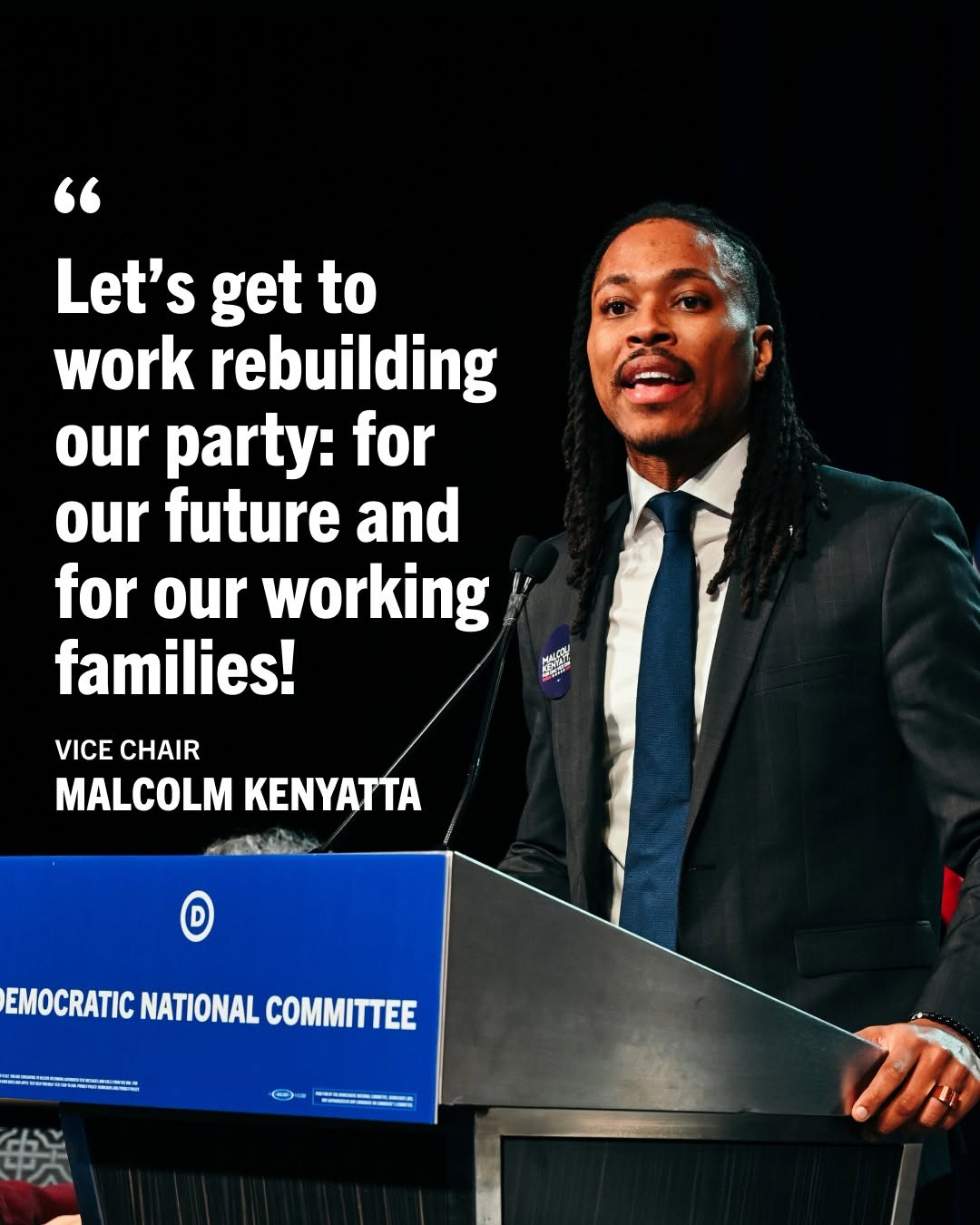
Johnson’s message was not subtle. He has been telling Republicans that the midterms could decide whether Trump’s agenda keeps moving or runs into a wall. In one widely shared version of his warning, Johnson said that losing the House majority would be “the end of the Trump presidency in a real effect.”
That does not mean Trump would be removed from office by the election itself. It means a Democratic House could slow, block, investigate, subpoena, and reshape the political environment around the White House. In Washington, control of the House is not just about passing bills. It is about who sets the agenda, who controls committees, and who gets to make life miserable for the other side.
Johnson also framed the fight in bigger, almost cinematic terms. He warned that the country is in a battle to “save the republic” and suggested that the 2026 elections will help decide whether America keeps its constitutional direction as it approaches its 250th anniversary.
That language is meant to electrify the Republican base. It tells conservative voters that this is not a sleepy midterm where people stay home, complain about gas prices, and promise to vote next time. Johnson is saying the house is on fire, and the House majority is the fire extinguisher.
Kenyatta Turned Panic Into a Punchline
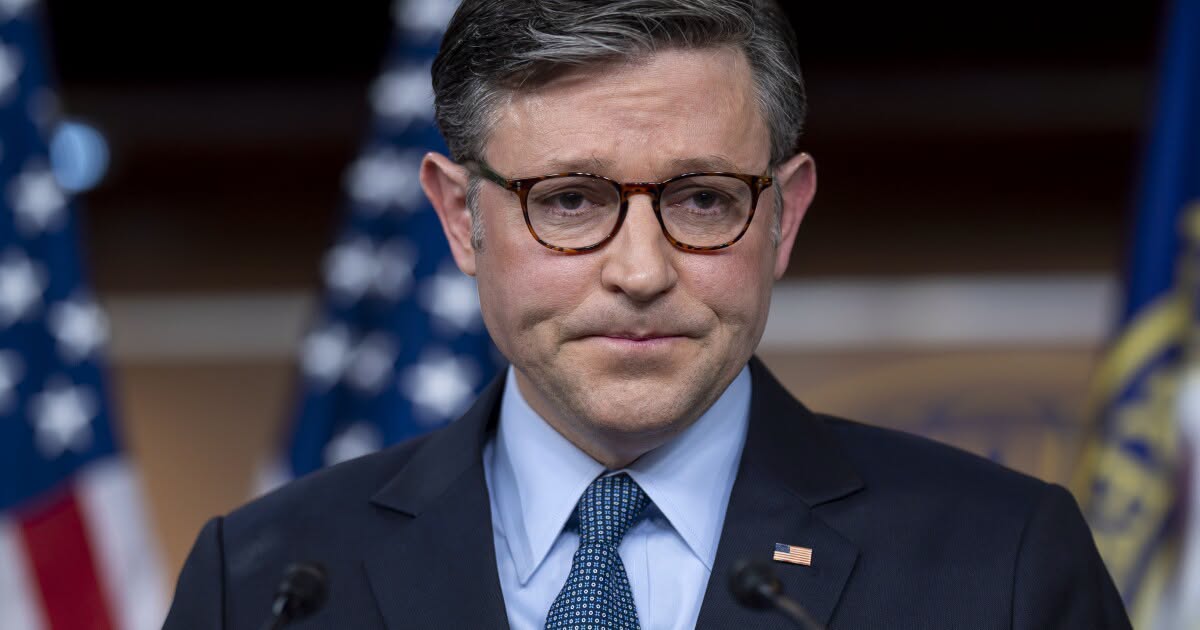
Kenyatta’s response worked because it flipped the emotional script. Johnson wanted Republicans to fear losing power. Kenyatta made that fear sound like a Democratic campaign ad.
“You promise?” is short, sarcastic, and instantly shareable. It says what many Trump critics are already thinking without dragging the reader through a long argument. In political media, that is gold. A two-word reply can travel farther than a ten-point platform because people understand the joke before they finish reading it.
It also gave Democrats something they love in election season: a Republican leader describing Democratic victory as a major threat to Trump’s power. For Democrats, that is not a warning. That is a sales pitch.
Kenyatta has built a political brand around sharp, direct messaging. As a DNC vice chair, he is not just speaking to voters in Pennsylvania. He is speaking to a national Democratic audience hungry for fight, clarity, and a little attitude. His reply did not explain the stakes. It mocked them, which can be even more effective online.
That does not make the midterms any less serious. It simply shows how both parties are already trying to define the same election in opposite ways. Republicans want voters to see 2026 as a last stand against Democratic control. Democrats want voters to see it as the first real chance to check Trump’s second term.
Why the Joke Matters

The funny part is easy to see. The serious part is bigger.
Republicans currently hold a narrow House majority, which means even a small shift in competitive districts could change the balance of power. In a divided and angry political climate, that is enough to make every local race feel national. A suburban House seat in Pennsylvania, Arizona, Michigan, New York, or California could end up carrying more weight than usual.
If Republicans hold the House, Johnson can keep working with Trump on taxes, immigration, spending, energy, investigations, and the broader conservative agenda. If Democrats win it back, Trump’s White House would face a very different Washington. Hearings could multiply. Legislative priorities could stall. Oversight could become a daily headache.
That is why Johnson’s warning matters. He was not just complaining about Democrats. He was telling Republicans that the House majority is the shield around Trump’s presidency.
But Kenyatta’s response matters too because it captures the Democratic mood in one clean swipe. Many Democratic voters do not need to be convinced that slowing Trump’s agenda is a good thing. They need to be convinced that the party has the energy, discipline, and nerve to do it. A line like “You promise?” gives them something to laugh at, repeat, and rally around.
The exchange also shows how the 2026 midterms are already becoming a messaging war. Republicans are talking about saving the republic. Democrats are talking about checking Trump. Both sides are trying to make voters feel that staying home would be a mistake.
That is the real story behind the viral moment. Johnson may have intended to scare Republicans into action, but he also handed Democrats a clean and memorable argument: if losing the House weakens Trump, then winning the House becomes the mission.
In the old political world, speeches shaped campaigns. In this one, a two-word reply can do plenty of damage before the next commercial break.