7 Things You Should Never Toss in the Trash, And the Safe Way to Get Rid of Them
The trash can is not always the right final stop for household items. Some things that seem ready for the bin can create bigger problems if they are crushed, leaked, burned, or sent into the wrong disposal system.
That does not mean these items should stay in your home forever. The goal is to move them out through the right channel, whether that means a recycling program, a household-hazardous-waste collection site, or a take-back option.
Here are seven common items that deserve more thought before they leave your house.
Lithium-Ion Batteries
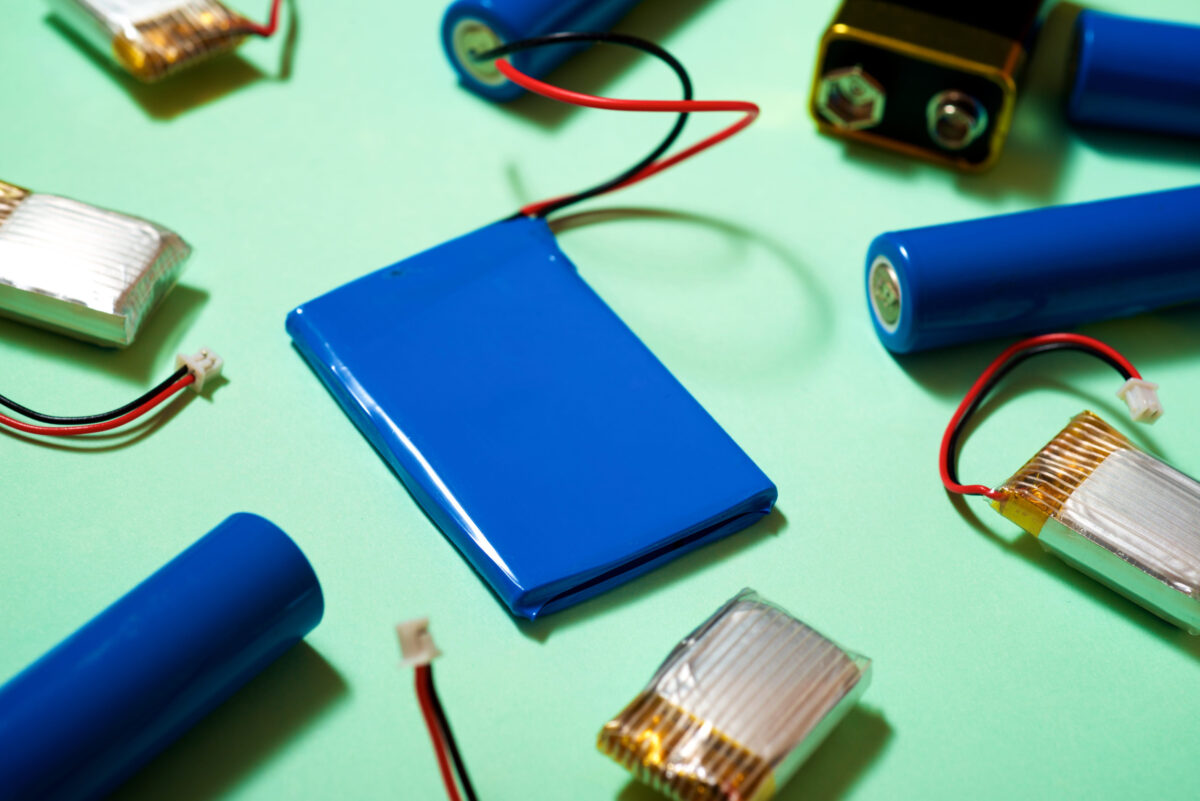
Rechargeable lithium-ion batteries power many everyday devices, including phones, laptops, tools, and e-bikes. But when these batteries are damaged or crushed, they can create fire risks.
Instead of placing them in household trash or curbside recycling, prepare them for proper recycling. Tape the battery terminals or place batteries in individual bags, then take them to a battery recycler, electronics recycler, or household hazardous waste site.
The simple verdict: small batteries can create big disposal problems, so they need their own route out of the house.
Related: 8 Household Items You Should Never Throw in the Trash
Other Batteries
Lithium batteries are not the only ones that need special attention. Rechargeable batteries, button-cell batteries, and other battery types should not automatically go into household trash or curbside recycling.
Local battery-recycling programs are the better option for getting them out of your home. These programs are designed to handle batteries separately rather than sending them through normal waste streams.
The best habit is simple: collect used batteries in one place and check your local recycling options before throwing them away.
Unused Medicines
Old or unused medicines may seem like something that belongs in the trash, but drug disposal requires a more careful approach. Drug take-back programs and mail-back options are the preferred ways to dispose of unused medications.
If those options are not available, most medicines that are not included on the FDA’s limited flush list can be mixed with an undesirable substance, sealed, and placed in the trash.
The important point is that flushing is not the default solution. Medication disposal depends on the type of medicine and the disposal options available.
Paint, Paint Thinner and Solvents
Paint supplies can be easy to forget in a garage or storage area, but leftover paint, paint thinner, and solvents should not be poured down a sink, toilet, storm drain, or onto soil.
These materials can be flammable, toxic, or reactive, making household hazardous-waste programs the proper place for disposal.
Instead of trying to empty containers quickly, check for a local hazardous-waste collection option. The goal is to remove these products safely without sending them into places they do not belong.
Pesticides and Weed Killers
Garden chemicals may sit unused for months or years, but leftover pesticides and weed killers need careful handling.
Keep these products in their original labeled containers and bring them to an approved household hazardous-waste collection program. Do not mix leftover chemicals together, even if they appear similar.
Proper disposal helps prevent accidental reactions and keeps these products out of regular trash systems.
Motor Oil and Oil Filters
Used motor oil is another household item that should not simply disappear into the trash. Improper disposal can contaminate water and soil.
Drivers should check with auto-parts stores, service centers, or municipal programs to learn where used oil and filters can be accepted.
The practical takeaway: after changing oil, the job is not finished until the used materials are handled through the right disposal channel.
Fluorescent Bulbs and Tubes
Fluorescent bulbs and tubes can require special disposal because some contain mercury. They should not go into regular household trash.
Instead, take them to an approved recycling or household hazardous waste program that accepts these materials.
This is one of those items where the safest choice is not the most convenient one. A quick toss in the garbage may not be the right solution for older lighting products.
A Better Way to Clear Out the House
Getting rid of these items does not mean keeping a pile of old batteries, chemicals, or unused products forever. It simply means giving certain household items a better exit route.
Before tossing something into the trash, ask a simple question: can it ignite, leak, react, contaminate water, or contain a material that needs special handling?
If the answer is yes, take a few extra minutes to find the right disposal option. A little planning can make clearing out your home easier and safer.